
 Sign up with Google
 Sign in with Zoho


Summer has a way of making your skin behave completely differently than it does the rest of the year. The heat, the sweat, the humidity & the constant sun exposure all add up. What worked perfectly in January suddenly feels too heavy, too oily, or just not enough. And the frustrating part is that most people respond by either piling on more products or stripping everything back entirely. Both approaches usually make things worse.
The truth is, a good summer skincare routine does not have to be complicated. It just has to be the right one for your skin.
Why Summer Changes Your Skin
As the temperature rises, your skin produces more sebum. This is your skin's natural oil and it is not a bad thing. It is actually there to protect you. But in summer, the excess oil mixed with sweat, sunscreen, and pollution can clog pores, cause breakouts, and make your skin look dull by afternoon.
At the same time, heat and sunlight can draw moisture from your skin, especially if you have dry or sensitive skin. So the goal of a summer routine is simple. Control the excess without stripping the good stuff away.
Step One. Cleansing Is Everything
If there is one step you cannot afford to get wrong in summer, it is cleansing. Your cleanser sets the tone for everything that comes after it. Using something too harsh will strip your skin's natural moisture barrier and trigger even more oil production. Using something too mild might leave behind sunscreen, sweat & pollution that sits on your skin all day.
For oily and acne-prone skin, a gentle foaming cleanser works really well. It removes excess oil without being aggressive. For dry and sensitive skin, a creamy or milk-based cleanser is much kinder. The Gotu Kola Cleanser is a good example of something that sits right in the middle. It cleans thoroughly without that tight, squeaky feeling after washing that most people mistake for clean skin.
If you wear sunscreen every day, and you should, double cleansing at night is worth adding to your routine. Start with a cleansing balm or oil to break down the sunscreen, then follow with your regular face wash. The Creamy Face Wash works really well as a second-step cleanser because it is gentle enough to use twice without irritating your skin.
Step Two. Keep It Light With Toner and Serum
Summer is the time to go lighter. If you use a toner, switch to something water-based with ingredients like green tea, rose water or witch hazel. These help tighten pores slightly and give your skin a refreshed feeling without adding weight.
Serums are optional, but if you use one, keep it minimal. One serum targeting your main concern is enough. More than that, the summer heat can feel heavy and can sometimes cause breakouts.
Step Three. Moisturiser is still non-negotiable
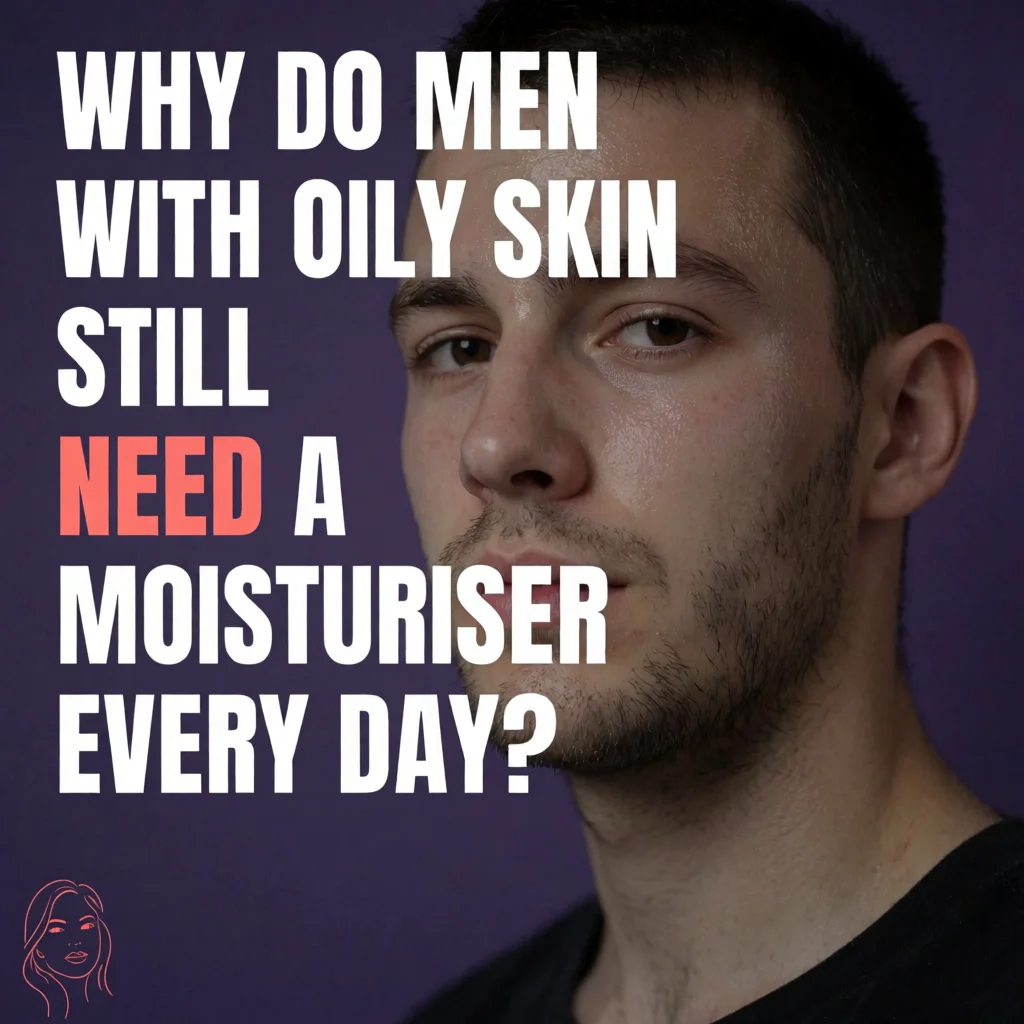
This is the step most people with oily skin skip in summer. The logic seems to make sense. Why add moisture when your skin already feels oily? But here is what actually happens when you skip moisturiser. Your skin reads the dryness as a signal to produce more oil to compensate. So you end up oilier, not less.
The solution is not to skip moisturiser but to switch to a lighter one. Gel-based moisturisers are perfect for summer. They absorb quickly, feel weightless on the skin, and do not leave that greasy film that heavy creams do.
For sensitive skin types, choosing a moisturiser with calming ingredients makes a big difference. If you want a deeper guide on this, the blog on Sensitive Skincare Routine covers exactly what ingredients to look for and what to avoid when your skin is easily irritated.
Step Four. Sunscreen Every Single Day
There is no summer skincare routine without sunscreen. It is not optional. UV damage is cumulative, meaning every day you skip it adds up over time. Use a broad-spectrum SPF 30 or higher every morning, even on cloudy days.
The Bottom Line
A summer skincare routine that works is not about using the most products. It is about using the right ones in the right order. Cleanse well, keep it light, moisturise smart, and never skip the SPF. Do that consistently, and your skin will genuinely show the difference.









.webp)