Sign up with Google
 Sign in with Zoho

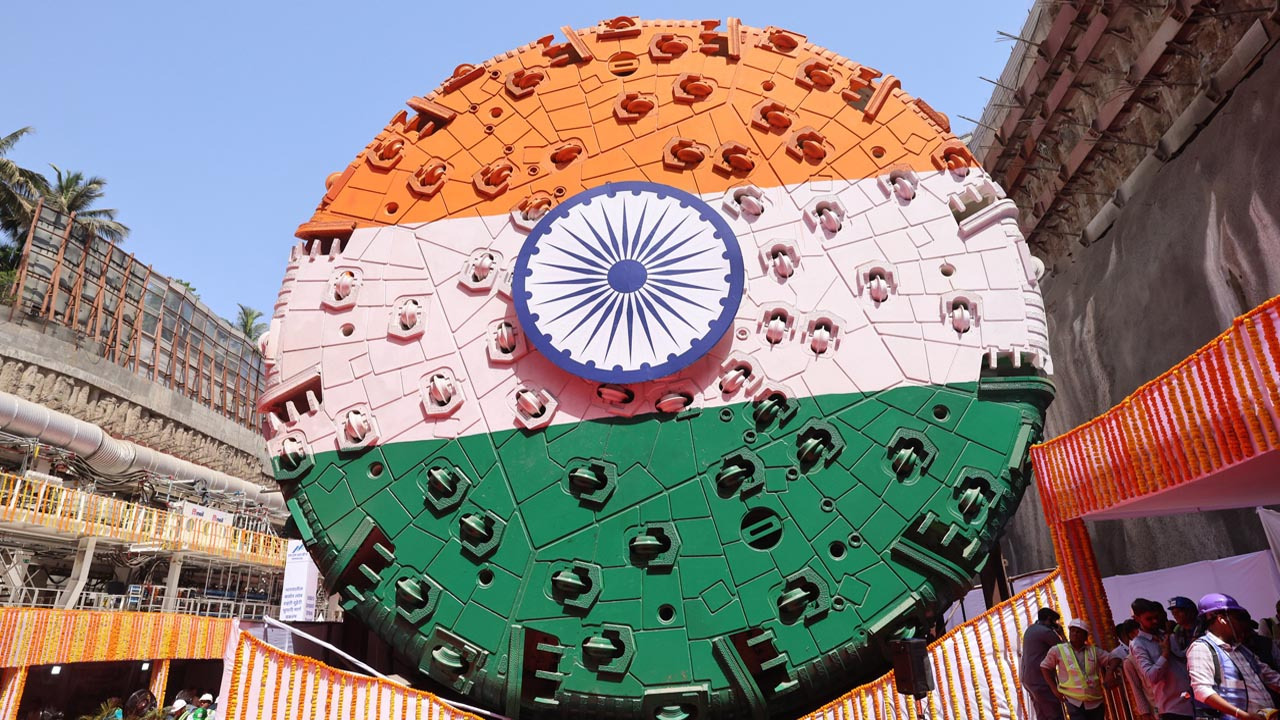
While the streets of many cities in India are filled with activity; below ground, a revolution is happening. The use of steel machinery to cut through rock and dirt to create tunnels has been around for centuries; however, this will mark history in a different way, because the tunnel boring machine creating these tunnels is an Indian made product.
This product will be referred to as “Arjuna,” which signifies the self-sufficiency of India, and creating a state-of-the-art piece of equipment, which will be the beginning of more industrial innovation.
What Exactly Is TBM Arjuna?
The mega project of building MMDA have just begun with the unveiling of the first TBM Arjuna by Megha on the workshops of MEIL in Chennai. It marks a precedent of a high-tech manufactured tunneling machine for use in India, which has been brought to fruition by two companies - MEIL (India) and Herrenknecht (Germany), the world leader in tunnelling machines.
This monumental TBM will bore out the underground road tunnels required in Mumbai for MMRDA projects. The TBM is manufactured to drill the different types of mixed-face geology found in many Indian urban centres, such as Chennai and Mumbai, and is costly because of having to be imported and made specifically for the indigenous geology of India.
The Commission is expecting to commission 19 TBMs in total; unlike TBMs imported during Construction I, all 19 are expected to have been manufactured locally. The first TBM, to be called Arjuna, has already been manufactured and will be delivered to Chennai for the project; it will also be the last TBM to be installed into the ground.
The Commission is expecting to commission 19 TBMs in total; unlike TBMs imported during Construction I, all 19 are expected to have been manufactured locally. The first TBM, to be called Arjuna, has already been manufactured and will be delivered to Chennai for the project; it will also be the last TBM to be installed into the ground.
Why Did India Need to Build Its Own TBM?

Arjuna's journey begins with a crisis rather than celebration. India's underground infrastructure aspirations — including metro rail networks and the country's first bullet train — have been hostage to an uncontrolled supply chain for far too long.
The seizure of two TBMs for use on India's Bullet Train project was particularly acute because it required an excessive amount of diplomatic intervention principally via the involvement of Prime Minister's Office (PMO); in addition, this effort included both the Ministry of External Affairs (MOFA) and back-channel dialogue to resolve issues between New Delhi, Berlin and Beijing. A year-long delay in exporting TBMs from Herrenknecht manufacturing facilities based in China resulted in holding up all work on India's largest rail infrastructure project to date.
The larger concern was clear: The quality of supply chains for creating India's most strategically important infrastructure project was very weak, thereby affecting all parts of creating the tunnel boring machines (TBM), which is the activity that will determine when the associated civil works for building stations, ventilation shafts, and restricting laying tracks can begin.
The challenges faced due to the lack of TBMs made India look at a new way of addressing this challenge. Since foreign policies could stop cities in India from progressing with TBM challenges, then India must build the TBMs themselves.
The China Factor and the Geopolitical Push
India was jolted by the message delivered through Germany’s Ambassador who stated that there were political reasons preventing the export of TBMs from China to India. China because of political upheaval was able to temporarily take the TBMs away from India and therefore send a clear message that not every country can satisfy India's infrastructure needs.
In just one wake-up call, India must manufacture TBMs due to energy security, defence preparedness and now sovereign control over infrastructure.
The Ripple Effect: Herrenknecht Comes to India
The creation of Arjuna created a response across the globe as it helped fill some gaps that existed, domestically.
As a result of the success of Arjuna from Made In India as a TBM, it forced a change in strategy for Herrenknecht who are a large German Tunneling Company (TBM) manufacturer.
They realized that they could no longer reliably serve the world's 2nd largest TBM market from manufacturing in China. Thus, they are building the largest TBM manufacturer site in North Chennai, India.
The new Herrenknecht TBM manufacturing plant is being developed to cover 12.4 acres and is estimated to cost Rs 250 crores; making it the largest TBM manufacturing facility in the country of India.
This manufacturer will produce the much larger-than-normal size machines called Mixshield and is necessary to construct some of the largest tunnels in the world the Goregaon-Mulund Link Road (GMLR) in Mumbai will contain the widest tunnel in India with a diameter of 14.5 meters.
The Future: 100% Indigenous TBMs
The Indian government's vision for future technological development does not only involve collaborative efforts - the long term goal includes achieving complete technological sovereignty.
The Indian government, via state-owned BEML, has issued a new Expression of Interest (EoI) for indigenous Tunnel Boring Machine (TBM) design to be manufactured by global partners. The first of several intended partnerships, this EoI represents an opportunity for companies worldwide to partner and work towards bringing TBMs, both new and existing, into India.
The EoI includes TBMs ranging from 6 to 16.5 meters in diameter. The Ministry of Housing and Urban Affairs has supported this initiative; BEML intends to begin with a 6.5 meter TBM in partnership with DMRC and has been in discussions with various companies in Austrailia and Japan to help accomplish this task.
The long term goal of this initiative is for India to obtain total IPR to ensure that all future TBMs are fabricated entirely by Indian companies, both from an engineering perspective and at the point of sale.
Conclusion: More Than a Machine
TBM Arjuna, though a complex piece of engineered industrial equipment, is also an identity. It illustrates that India's ability to develop and execute highly sophisticated civil engineering methods places it among the most capable countries in building and deploying these products. This also indicates that countries will no longer rely on outside sources for infrastructure assets and services.
We Built Something Just for You and It's Changing How India Creates

We've been there. You put your heart and soul into every article you produce; however, when it's moved over to an overseas company that retains 80% of revenues, alters ranking algorithms without disclosing the method, you receive no value for your efforts.
This is the motivation behind the creation of GuestCountry, an all-new, no-cost, India's own free online content posting platform dedicated to providing a home for each and every Indian content creator: author/writer/blogger/journalist/storyteller.
At GuestCountry we believe every author, blogger, journalist, storyteller or anyone who creates content has a right to share their story and receive the financial reward they deserve. So we’ve built a brand-new site to provide this service here in India 🇮🇳.
As a content creator, you can publish your stories (articles, blogs, books) without needing unnecessary testing or approvals nor are delays involved. The best part of all is that through our Creators Earnings Program you'll actually receive compensation for creating content (from tips from readers to premium subscriptions to be paid fairly through our Partners Program).
For over 50,000 different people have found their 'new home' since we opened our doors; the only thing stopping you from being part of the family would be the lack of a reason not to begin today at GuestCountry.com.