 Sign up with Google
 Sign in with Zoho

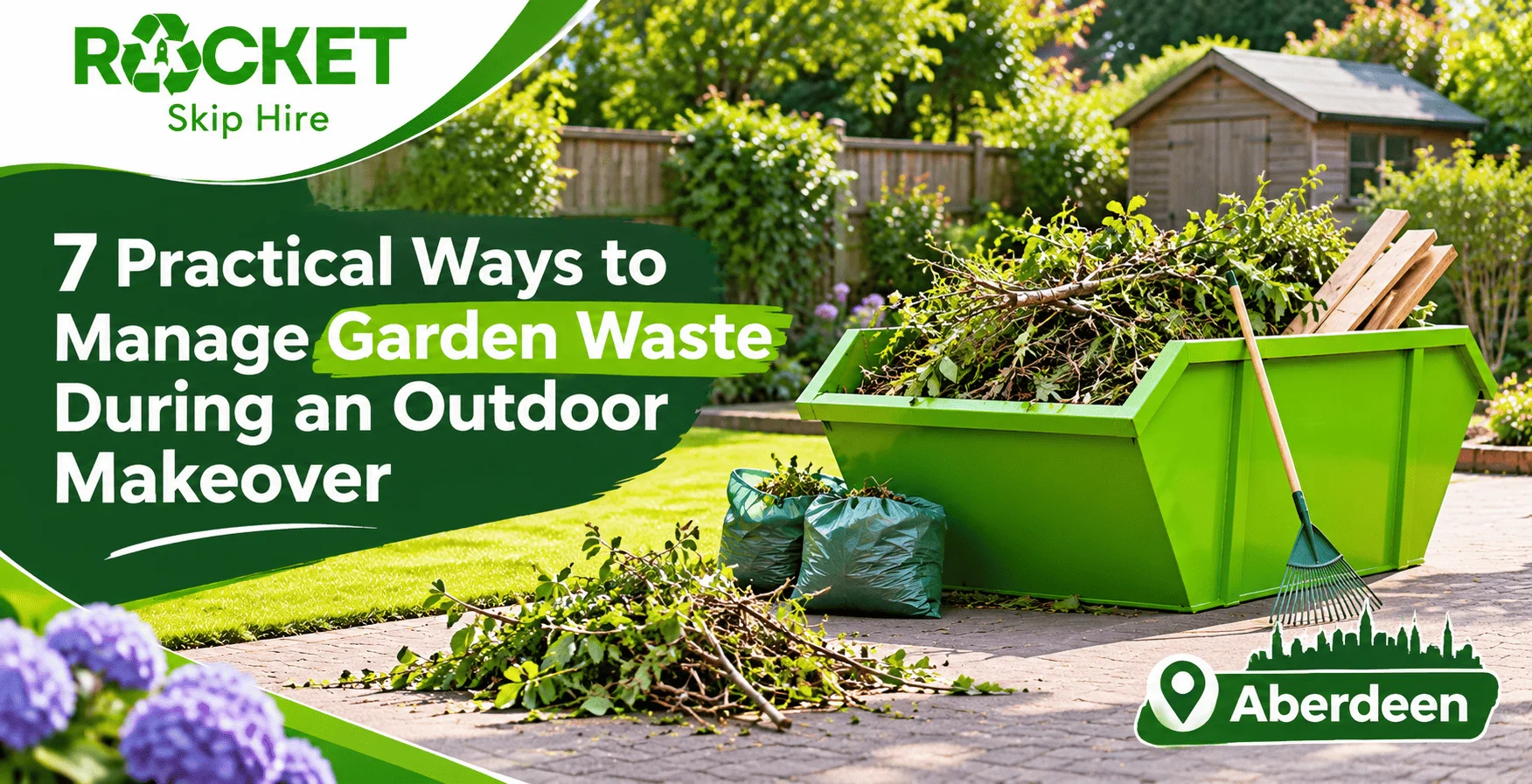
A garden makeover can be an exciting project, whether you are refreshing an untidy lawn, redesigning flower beds or finally removing an old shed. However, the amount of waste involved can be easy to underestimate. Branches, hedge cuttings, unwanted soil, old fencing and broken garden furniture all need somewhere to go. If you are planning an outdoor project, garden waste skip hire in Aberdeen may be worth considering when ordinary garden waste collections are not enough for the amount of material you need to remove.
Good preparation can make the whole process easier. Rather than leaving everything until the end, it helps to decide how you will sort, reuse and dispose of different materials before work begins. Here are seven practical ways to keep your garden makeover organised.
1. Sort the Waste Before You Start
It is tempting to begin cutting, digging and clearing without thinking about where the waste will go. Before long, however, you can end up with mixed piles of soil, branches, grass and unwanted materials.
Start by creating separate areas for different types of waste. For example:
- Grass cuttings, leaves and small plant trimmings.
- Branches, twigs and hedge cuttings.
- Soil, turf and unwanted plants.
- Old timber, broken fencing and garden structures.
- Damaged furniture and general outdoor clutter.
Keeping these materials separate makes it easier to decide what can be reused, composted, recycled or taken for disposal. It also helps you estimate how much waste your project is likely to produce.
2. Reuse What You Can Around the Garden
Not everything removed during a garden makeover needs to be thrown away. Sometimes, materials that no longer serve their original purpose can be useful elsewhere.
For example, healthy plants may be suitable for replanting in another part of the garden. Some paving slabs could be reused to create a small path, while suitable timber might be useful for another outdoor project.
Before disposing of anything, consider whether it can be:
- Reused in the redesigned garden.
- Donated to someone who could make use of it.
- Sold if it is still in good condition.
- Recycled through an appropriate facility.
Taking a little time to sort reusable items can reduce the amount of waste that needs to be removed.
3. Compost Suitable Green Waste
Grass cuttings, fallen leaves and certain plant trimmings can often be composted. This is a useful way to make use of natural garden materials instead of sending everything for disposal.
A garden compost area can provide a convenient place to collect suitable organic waste throughout the year. Once ready, the compost can be used to improve soil and support future planting.
However, not every garden material belongs in a compost heap. Diseased plants, invasive weeds and unsuitable materials may need separate handling. Check appropriate composting guidance before adding them.
If your outdoor makeover produces more green waste than you can reasonably compost, look into suitable local collection or disposal arrangements.
4. Deal With Branches and Hedge Cuttings as You Go
Pruning trees and trimming hedges can create a surprisingly large pile of waste. Leaving it until the end can make the garden harder to work in and create an unnecessary obstacle.
Collect branches and cuttings as you work. Where appropriate, smaller branches can be cut into manageable lengths, while larger pieces should be kept separate.
It is also worth checking whether your chosen waste removal provider accepts branches and other bulky garden materials. Different providers may have restrictions on the types and sizes of materials they collect.
A little organisation during the clearance can save considerable effort later.
5. Choose a Suitable Waste Removal Option
The right disposal option depends on the size of your project and the amount of waste involved. A small garden tidy-up may produce only a few bags of cuttings, whereas a complete landscaping project could leave you with branches, soil, turf, timber and unwanted garden features.
When comparing skip hire in Aberdeen, think about the following:
- How much waste do you expect to produce?
- Will you be removing bulky or heavy materials?
- What types of waste does the provider accept?
- Is there enough space for a skip at your property?
- What are the delivery, collection and hire arrangements?
For a smaller project, mini skip hire in Aberdeen may be worth exploring. If you are dealing with a larger garden renovation, ask about other available sizes before making a decision.
Avoid choosing a skip based only on its appearance or estimated price. A realistic assessment of your waste will help you select an appropriate option.
6. Check Access and Placement Before Booking
One detail that can easily be overlooked is where the waste container will be placed. Even if you have enough space for the skip, there still needs to be suitable access for delivery and collection.
Measure the available area and consider whether vehicles can reach it safely. Keep driveways, gates and pathways clear wherever possible.
If you intend to place a skip on a public road, check whether a council permit is required. Local requirements can vary, so it is better to check before arranging delivery rather than leaving it until the last minute.
You should also confirm any restrictions on the materials you plan to dispose of. Certain items may require separate disposal arrangements.
7. Remove Waste in Stages Rather Than Leaving Everything Until the End
A common mistake during garden improvements is allowing waste to accumulate until the project is nearly finished. This can make the work area cluttered and leave you with a large clearance job at the end.
Instead, deal with waste as each stage is completed. Collect cuttings after pruning, remove unwanted materials after dismantling old features and keep reusable items in a separate area.
This approach helps you:
- Maintain clear access around the garden.
- Keep tools and equipment organised.
- Monitor how much waste is being produced.
- Avoid mixing recyclable and general materials.
- Make the final tidy-up more manageable.
It is a simple habit, but it can make a noticeable difference to how smoothly the project progresses.
Make Your Next Garden Project Easier to Manage
An outdoor makeover involves more than choosing plants, improving the lawn or installing new garden features. Planning how to handle the waste is an important part of the job too.
By sorting materials, reusing suitable items, composting where possible and arranging an appropriate disposal option, you can keep your garden clearer throughout the project. If you expect to produce more waste than ordinary collections can manage, Rocket Skip Hire offers skip hire options worth exploring. Visit Rocket Skip Hire to find out more before planning your next outdoor project.