 Sign up with Google
 Sign in with Zoho

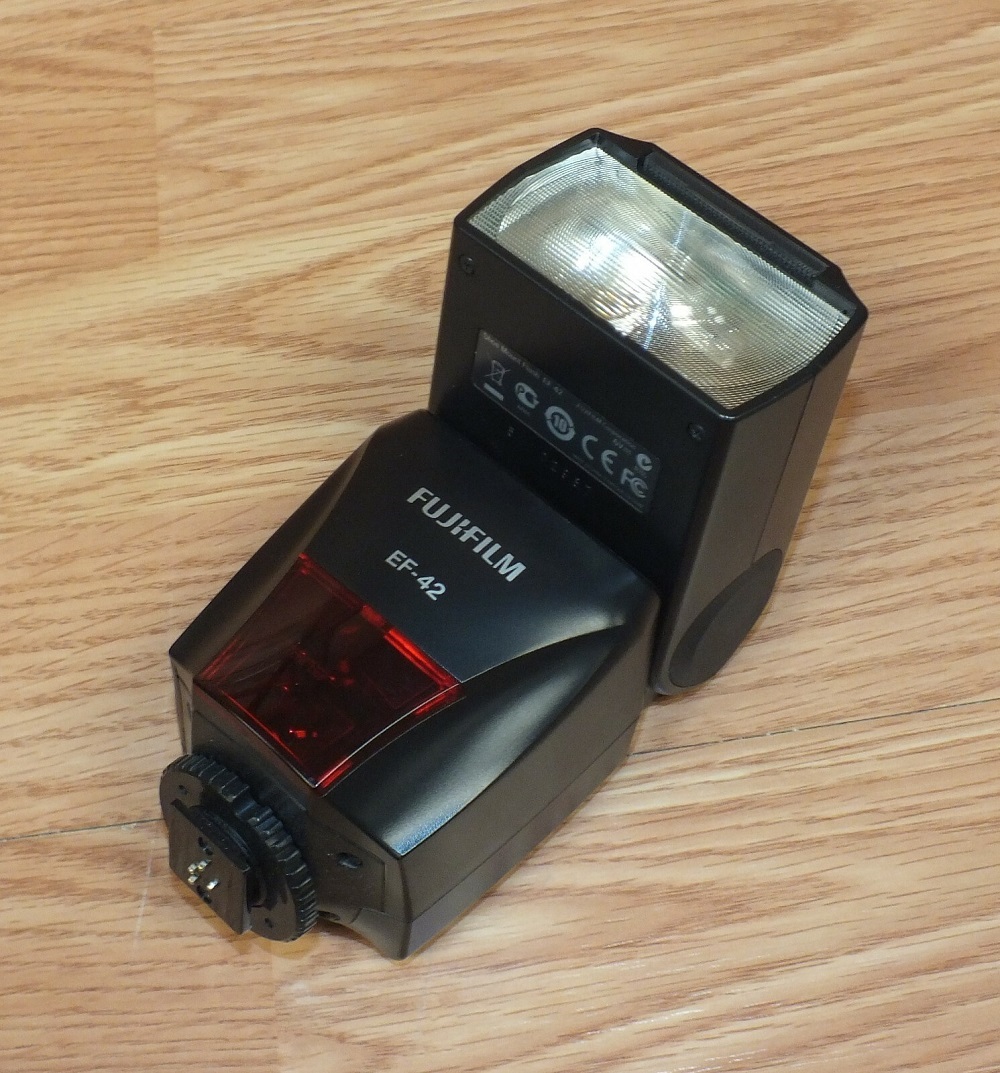
Lighting is one of the most important elements in photography. Even the most advanced camera and lens cannot produce great images without proper lighting. While natural light can create beautiful photographs, it is not always reliable or available in every situation. This is where a camera flash becomes an essential tool for photographers who want full control over their lighting conditions.
Flash photography allows photographers to illuminate subjects, reduce shadows, and maintain consistent exposure in low-light environments. When used correctly, a flash can dramatically improve the quality of photos in portraits, events, indoor shoots, and creative photography. At the same time, maintaining stability and comfort while shooting, often with the help of accessories such as a camera handle grip, helps photographers achieve better control and steadier shots.
Understanding How a Camera Flash Works
A flash is a light source that emits a brief burst of bright light when a photograph is taken. This burst illuminates the scene and allows the camera sensor to capture details even in dark environments.
Flash units are commonly used when natural light is insufficient or when photographers want to shape and control the lighting in a scene.
Types of Camera Flash
There are several types of flashes available for photographers:
Built-in Flash
Many cameras include a small built-in flash. While convenient, it often produces harsh lighting and limited power.
External Flash
External flashes attach to the camera’s hot shoe and provide more power and flexibility.
Studio Flash
Studio flashes are powerful lighting units used in professional studio environments for portrait, fashion, and product photography.
Understanding the differences between these types helps photographers choose the right lighting solution for their needs.
Benefits of Using Flash in Photography
Flash photography offers several advantages that help photographers capture better images in challenging conditions.
Improved Low-Light Photography
One of the most common reasons photographers use a camera flash is to shoot in low-light environments.
Whether photographing a wedding reception, indoor event, or nighttime scene, flash lighting ensures that subjects are properly illuminated.
Balanced Exposure
Flash can balance the exposure between the subject and the background. Without flash, subjects may appear underexposed when the background is brighter.
Freezing Motion
Flash has a very short burst duration, which helps freeze motion in photographs. This is particularly useful when photographing moving subjects such as dancers, athletes, or children.
Direct Flash vs. Bounced Flash
How the flash is positioned greatly affects the final look of the photograph.
Direct Flash
Direct flash points straight at the subject. While simple to use, it can create harsh shadows and flat lighting.
Bounce Flash
Bounce flash involves directing the flash toward a ceiling or wall so the light reflects back onto the subject.
This technique creates softer and more natural-looking lighting.
Benefits of Bounce Flash
- Softer shadows
- More natural illumination
- Better skin tones in portraits
- Reduced glare
Many professional photographers prefer bounce flash because it mimics natural lighting more effectively.
Controlling Flash Power
Flash power determines how bright the flash will be during a shot.
Most modern flashes allow photographers to adjust power levels manually or automatically.
Manual Flash Mode
In manual mode, photographers set the flash power themselves.
This mode offers full creative control and is commonly used in studio photography.
TTL Flash Mode
TTL (Through The Lens) mode automatically adjusts flash output based on the camera’s exposure readings.
This is helpful for beginners or for fast-paced shooting situations.
Understanding Flash Sync Speed
Flash sync speed refers to the fastest shutter speed at which the camera can synchronize with the flash.
If the shutter speed is faster than the sync speed, part of the image may appear dark due to incomplete exposure.
Typical Sync Speeds
Most cameras have sync speeds around:
- 1/200 second
- 1/250 second
Learning to work within these limits ensures properly exposed images.
Using Flash for Portrait Photography
Portrait photography is one of the most common areas where flash is used.
A flash can highlight facial features, improve skin tones, and eliminate unwanted shadows.
Portrait Lighting Techniques
Photographers often combine flash with lighting modifiers such as:
- Softboxes
- Umbrellas
- Diffusers
These tools soften the light and create more flattering results.
Using Flash Outdoors
Many photographers assume flash is only useful indoors, but it can also be valuable outdoors.
Fill Flash
Fill flash is used to brighten shadows on a subject when shooting in bright sunlight.
For example, when a subject stands in front of the sun, their face may appear dark. A small burst of flash can balance the exposure.
Backlit Photography
Flash can also help illuminate subjects when shooting against bright backgrounds such as sunsets.
Avoiding Common Flash Photography Mistakes
While flash can improve lighting, incorrect usage may lead to unnatural results.
Common Flash Errors
Harsh Shadows
Direct flash can create strong shadows behind the subject.
Overexposure
Too much flash power may wash out details.
Red-Eye Effect
Flash reflecting off the subject’s eyes can produce red-eye.
Solutions
Using bounce flash, adjusting power settings, and increasing distance between camera and subject can help avoid these problems.
Stability and Camera Handling
Good lighting techniques must be paired with stable camera handling.
Accessories such as a camera handle grip improve control and comfort when shooting with external flashes.
A handle grip provides better balance, especially when using heavier cameras or additional accessories.
Benefits of Camera Handle Grips
- Improved camera stability
- Reduced hand fatigue
- Better control during long shoots
- Enhanced comfort while shooting vertically
These advantages help photographers maintain precision and consistency.
Conclusion
Mastering flash photography is an important skill for photographers who want full control over lighting. A camera flash can transform dark or poorly lit scenes into well-balanced, professional-quality images by illuminating subjects, reducing shadows, and freezing motion.
By understanding flash power, bounce techniques, sync speed, and lighting modifiers, photographers can use flash effectively in portraits, events, and creative photography. Additionally, maintaining stable camera control with tools like a camera handle grip helps ensure sharper images and more comfortable shooting sessions.