Sign up with Google
 Sign in with Zoho

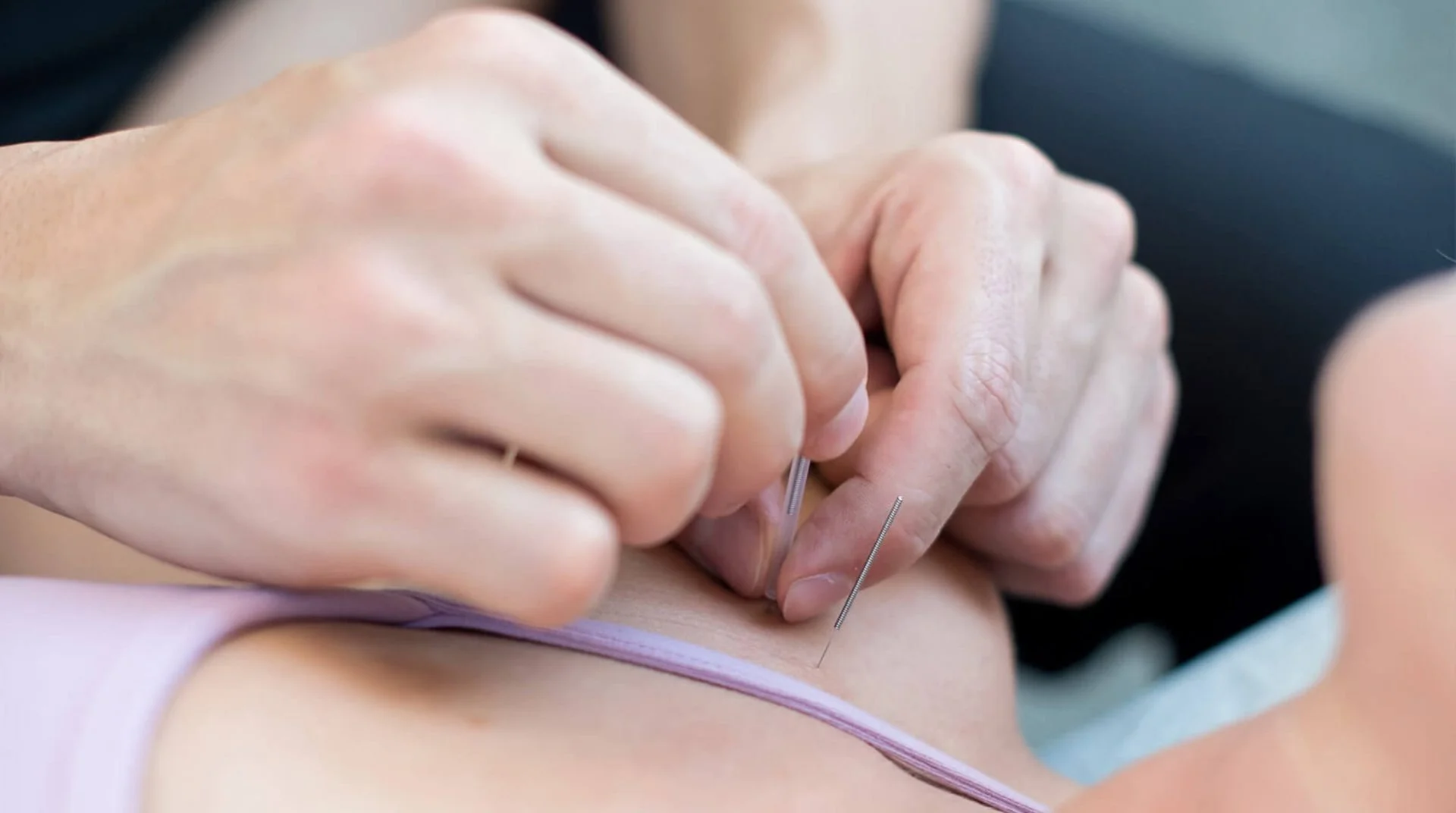
Chiropractors seeking to expand their clinical competence can gain access to a dry needling course for chiropractors. This specialized training introduces practitioners to needling techniques that can complement manual therapy, exercise and other evidence-based approaches to musculoskeletal care. The right training for chiropractors will teach them to manage muscle tension, trigger points, and movement-based discomfort, and enhance their overall knowledge of movement management.
What is dry needling?
Dry needling is a procedure that involves inserting fine sterile needles into muscle or soft tissue to relieve muscular tension and address specific neuromuscular issues. Despite acupuncture being rooted in Chinese medicine, dry needling is generally taught in a contemporary musculoskeletal and anatomical context.
For chiropractors, this approach can be an additional tool for creating individualized care plans. It can be integrated with spinal manipulation, soft tissue techniques, mobility exercises and rehabilitation strategies, depending on the patient’s needs and the practitioner’s qualifications.
Why Choose a Dry Needling Course for Chiropractors?
Chiropractic professionals already know anatomy, biomechanics and musculoskeletal assessment. A dry needling course can build on this knowledge by providing clinical principles and practical needling techniques.
Specialized training is very beneficial for the following reasons:
Expanded treatment knowledge - Understand how dry needling may fit into broader musculoskeletal care.
Anatomical knowledge - Learn muscles, nerves, blood vessels, and more in greater detail.
Practical skills - Learn needle handling, insertion techniques, and how to position your body in that context.
Better assessment skills - Improve your ability to identify relevant muscular and movement-related findings.
Professional development – It offers more specialized education and growth.
The course should complement, not replace, patient assessment and established chiropractic care.
What will you learn in the training?
A dry needling training program for chiropractors typically combines theoretical instruction with supervised practical learning. The curriculum might include anatomy and physiology, trigger point concepts, treatment planning, contraindications, infection prevention, and clinical safety.
Participants will also learn how to assess whether dry needling is appropriate for a particular patient at the time of need, where to treat, and how to integrate it with rehabilitation. Understanding when to needle and when not to needle is equally important. Training should also cover patient screening, informed consent, adverse events, and safe responses to complications. The course provider and relevant professional regulations can also determine the specific curriculum, technique scope, and practical requirements.
Who should attend a Dry Needling course?
This training is primarily for chiropractors interested in additional musculoskeletal techniques. This may be especially relevant to practitioners working with patients experiencing muscle tightness, movement restrictions or activity-related muscular discomfort.
Before enrolling, review the course prerequisites, instructor qualifications, hands-on training hours, assessment process, and any professional registration requirements. Chiropractors should also check whether their jurisdiction allows dry needling and whether certification or supervision is required.
Make training that supports safe practice.
Choosing the right dry needling course for chiropractors goes beyond reading the course title. Look for anatomical education, supervised practical sessions, clear safety protocols, and training aligned with your clinical duties.
Dry needling education can also broaden a chiropractor’s understanding of musculoskeletal treatment with proper training and continual professional development. It can help to inform clinical decision-making and patient-centered care.
We recommend a dry needling course to expand knowledge and develop additional skills for responsible clinical practice.