Sign up with Google
 Sign in with Zoho

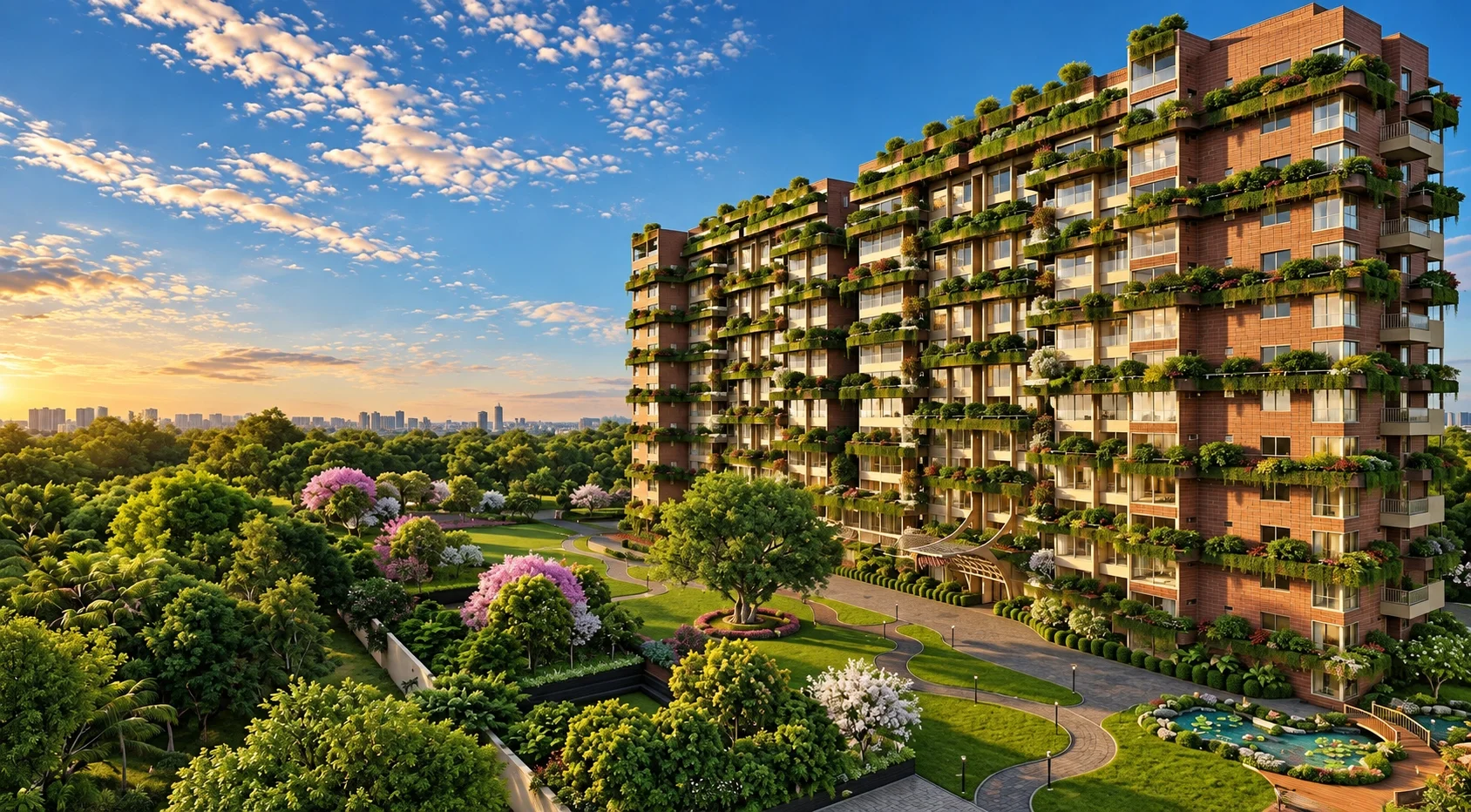
Cities across India are growing at a pace that's hard to ignore, and nowhere is this more visible than in Bangalore, where new residential towers seem to rise every few months. But as urban housing gets denser and more compact, a quiet counter-trend has started gaining ground — buyers are increasingly gravitating toward low-density residential projects in Bangalore that prioritize space and livability over sheer scale. This shift isn't just a passing preference; it reflects a deeper rethinking of what makes a home genuinely worth living in.
The Problem With High-Density Living
For years, the default approach to urban housing has been to maximize density — build as many units as possible on a given plot of land to meet growing demand and improve project economics. While this model has helped cities accommodate rapid population growth, it's come at a real cost to everyday livability. Cramped common areas, shared walls that compromise privacy, limited natural light, and minimal genuine green space have become the norm in many high-rise developments, especially in fast-growing IT hubs like Bangalore.
Residents in these developments often find themselves trading space and quiet for convenience and location — a compromise that's increasingly being questioned, especially post-pandemic, as more people spend significant time working from home and value their living environment more than ever before.
A Shift Toward Quality Over Quantity
In response, a growing number of developers are experimenting with lower-density models — building fewer units on the same land parcel, preserving natural features wherever possible, and investing more heavily in thoughtful landscaping and architectural design rather than just adding standard amenities to check boxes. This approach tends to cost more per unit to build, but it results in homes that feel fundamentally different to live in — quieter, greener, and more spacious in both a literal and experiential sense.
One clear example of this shift is Graviti Hanging Gardens in North Bangalore, developed by Graviti Living Spaces India Pvt Ltd. Spread across 3.88 acres, the project contains just 172 homes — a density of roughly 45 units per acre, well below the 100+ units per acre common across much of the city's new supply. This single decision shapes nearly every other aspect of the development, from how much natural light each home receives to how uncrowded the common spaces feel on a daily basis.
Preserving Nature Instead of Replacing It
Perhaps the most telling detail about this broader shift toward greener urban housing is how developers are choosing to treat existing natural features on a site. Rather than clearing land entirely for construction convenience, some projects are now designing around what's already there. At Graviti Hanging Gardens, for instance, the developers preserved 153 mature teak trees on the property, integrating them directly into the project's walkways and common areas instead of removing them.
This kind of design decision reflects a growing recognition that mature trees and existing greenery add value — both aesthetically and environmentally — that's genuinely difficult to replicate with newly planted landscaping. It also signals a shift in how developers think about their relationship with the land itself, moving away from a purely extractive approach toward one that works with existing natural assets.
Architecture Designed Around International Expertise
Another emerging trend in premium, low-density developments is bringing in specialized international design expertise for landscaping and green spaces, rather than relying solely on standard, in-house templates. Graviti Hanging Gardens illustrates this well, having collaborated with Kyoto-based landscape artist Masao Sone to design an authentic Japanese garden within the community — complete with vertical courtyards and landscaped decks that alternate across every floor of both towers, ensuring greenery isn't confined to ground level alone.
This kind of collaboration is still relatively rare in the Indian residential market, but it points to where premium developments may be headed — treating green design as a core architectural discipline rather than an afterthought handled by a generic landscaping contractor.
What This Means for Homebuyers
For buyers evaluating their options, this shift toward low-density, green-focused living offers a genuinely different value proposition compared to conventional high-rise developments. Homes with no common walls — another feature found in projects like Graviti Hanging Gardens — offer better privacy, natural light, and ventilation. Lower overall density means less strain on shared amenities and a generally calmer living environment. And genuine, well-integrated green space provides tangible wellness benefits that go beyond a marketing brochure's promises.
As more buyers begin to prioritize these factors alongside traditional considerations like location and price, it's likely that low-density, design-forward projects will continue gaining market share, even in fast-growing, land-constrained cities like Bangalore.
Looking Ahead
The future of urban housing in India doesn't have to mean an endless march toward higher density and smaller living spaces. Projects like Graviti Hanging Gardens demonstrate that it's possible to build thoughtfully, even in expensive, high-demand real estate markets — by preserving what's already valuable about a site, investing in genuine design expertise, and prioritizing long-term livability over short-term unit maximization. As buyer awareness around these factors continues to grow, more developers may find that this approach isn't just good for residents — it's good business too.