Sign up with Google
 Sign in with Zoho

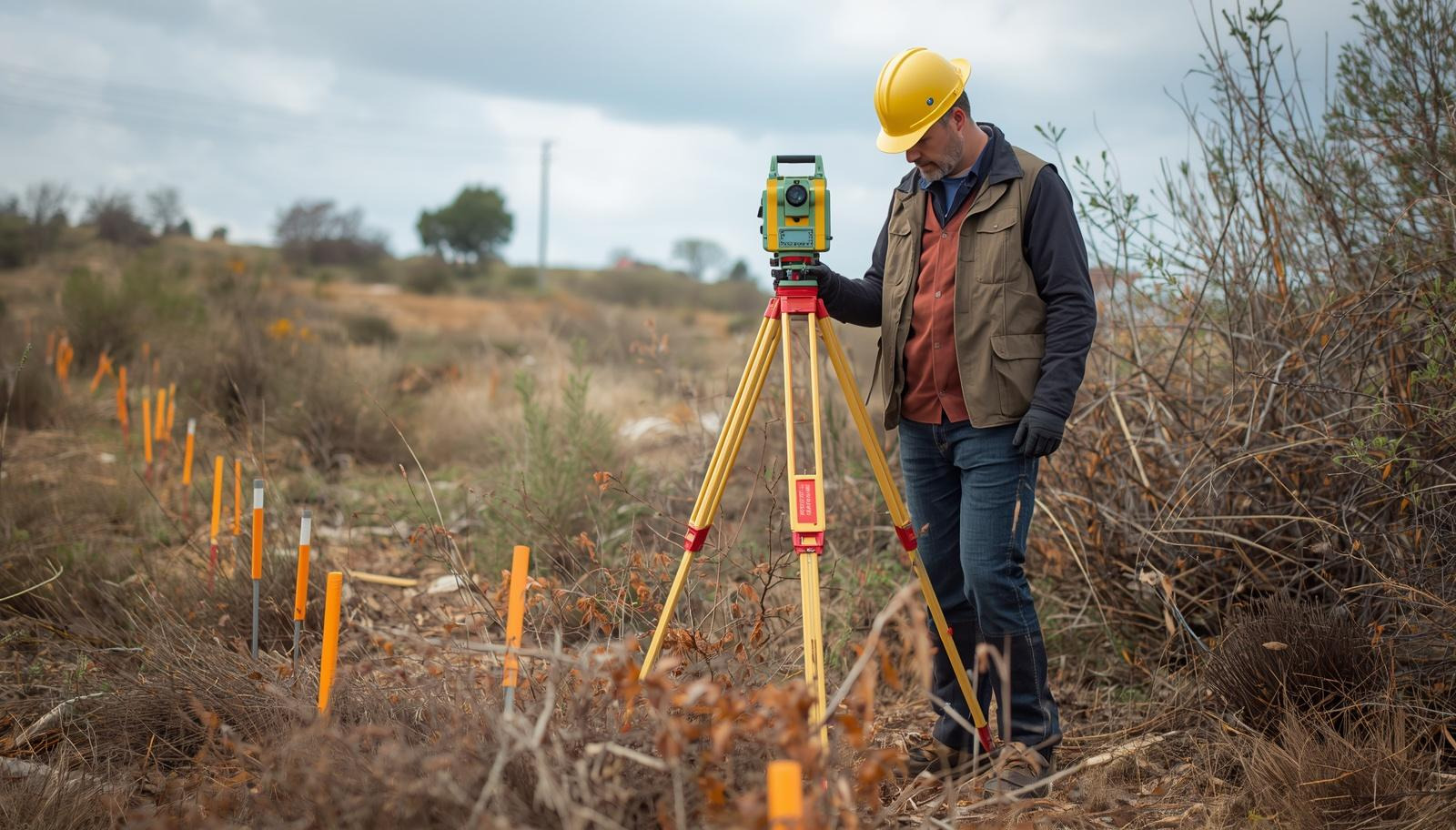
Whether you're planning a small home extension or starting a large commercial project, one thing matters more than most people realise — understanding your land properly.
In Victoria, being “close enough” isn’t good enough. Small mistakes early on can turn into expensive problems later.
A common issue is choosing the wrong type of survey. Many property owners don’t realize there are different types, and each serves a completely different purpose. In Melbourne, surveyors usually separate them into two categories: cadastral survey (legal) and engineering (technical) surveys.
So, Which Survey Do You Actually Need?
A simple way to think about it:
- A cadastral survey tells you where your land legally begins and ends
- An engineering survey shows what’s physically happening on that land
In other words:
- One tells you where you can build
- The other tells you how to build
They’re not interchangeable — and relying on the wrong one can cause real issues.
Cadastral Surveys: Getting Your Boundaries Right
Before starting any construction, you need to know your exact boundaries — not an estimate.
A cadastral survey is what legally confirms those boundaries. In Victoria, only a licensed surveyor can officially verify this.
What happens if you skip it?
This is where people get into trouble.
One of the most common issues is encroachment — building slightly onto a neighbour’s land without realising it. It might not seem like a big deal at first, but it can quickly turn into a legal dispute.
In some cases, owners have had to remove parts of their build entirely.
If you're planning to subdivide land, install fencing, or build close to boundaries, this step isn’t optional — it’s essential.
Engineering Surveys: Understanding the Land Itself
Once your boundaries are clear, the next step is understanding the land you’re building on.
That’s where engineering surveys come in.
They give you practical, on-the-ground details like:
- Land levels and slopes
- Drainage patterns
- Existing structures and trees
- Underground utilities and services
Without this information, you’re essentially guessing — and that’s how issues like water pooling, drainage failures, or uneven construction happen.
What About Industrial Surveys?
For larger or more complex projects, surveyors may use advanced methods often referred to as industrial surveys.
These involve high-precision tools like laser scanners and robotic equipment to capture extremely accurate measurements.
This level of detail is especially important in:
- Large commercial developments
- Factories and warehouses
- Infrastructure projects
It’s the same kind of technology used in major construction and mining — just applied on a different scale.
The Budget Mistake Many People Make
A lot of people assume one survey is enough. It’s not.
- A cadastral survey won’t tell you how the land behaves
- An engineering survey won’t protect you in a legal boundary dispute
Relying on just one often leads to more costs later — either fixing design issues or dealing with legal complications.
That’s why many Melbourne surveyors recommend doing both early in the process. It keeps everything aligned and avoids repeating work down the track.
Surveying Today: More Than Just Measuring Land
Modern surveying has evolved a lot.
It’s now used for things like:
- Monitoring structural movement over time
- Checking alignment in construction and machinery
- Mapping complex or large-scale sites with high accuracy
With today’s tools, surveyors can detect details that aren’t visible to the eye — but can make a big difference over time.
Final Thoughts: Get It Right from the Start
At the end of the day, both types of surveys play an important role.
- Cadastral surveys protect you legally
- Engineering surveys make sure your build works in practice
If you’re investing time and money into a project, it’s worth doing both properly from the beginning.
Fixing problems later is always more expensive than avoiding them in the first place.