Sign up with Google
 Sign in with Zoho

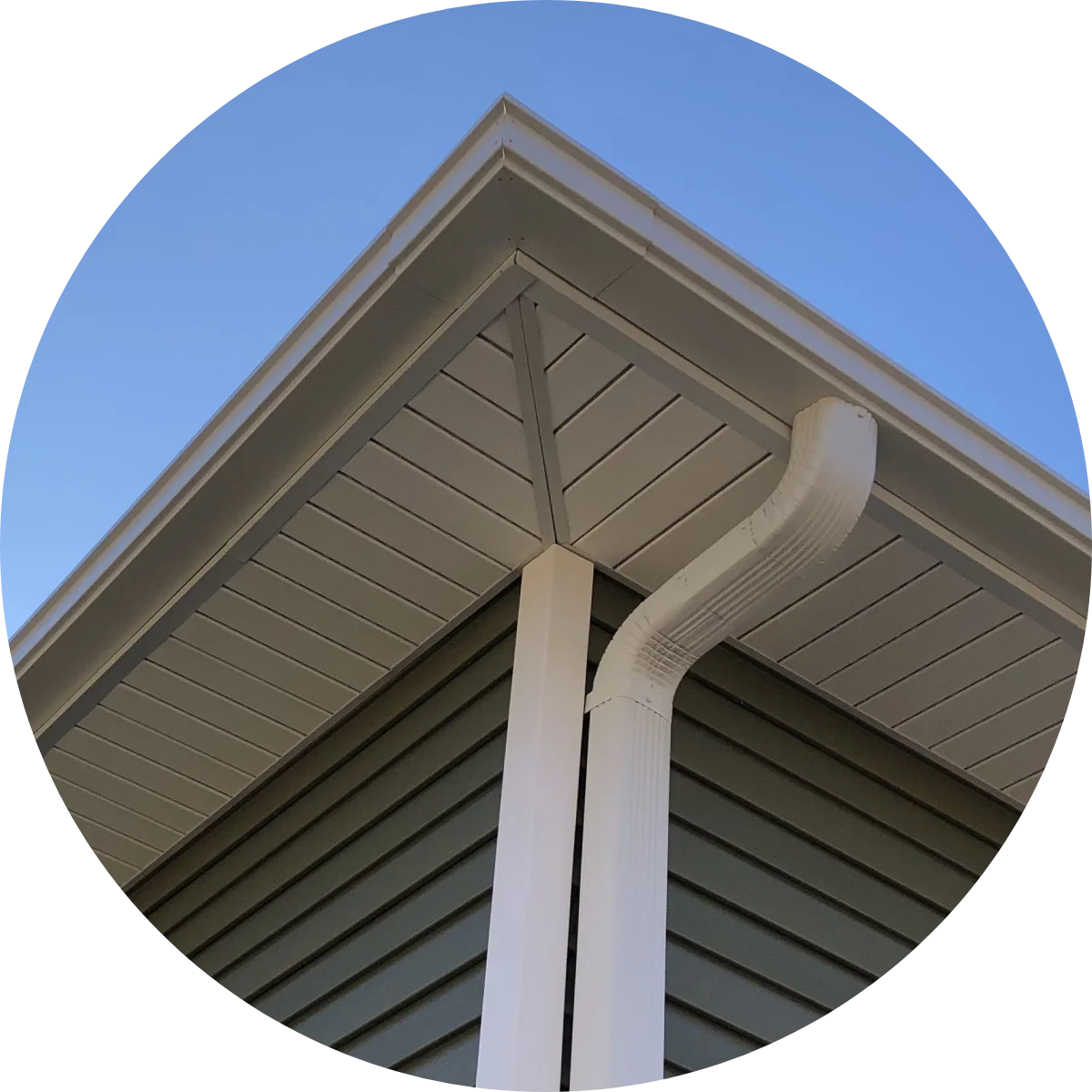
The Problem No One Talks About Until It's Too Late
There's a particular kind of frustration that comes with owning a beautiful home and watching something completely preventable slowly cause damage to it. For a lot of homeowners in the Hamptons, that frustration has a name: clogged gutters.
It sounds minor. It isn't. When gutters fill up with leaves, pine needles, seed pods, and debris — which happens fast in a region with the kind of mature tree cover the East End is known for — water has nowhere to go except where you don't want it. Over fascia boards. Down siding. Against foundations. Into basements. The damage compounds quietly until it becomes impossible to ignore, and by then the repair bill is almost always significantly higher than the cost of prevention would have been.
That's exactly why Leaf Guards installed Hamptons have moved from a luxury add-on to something closer to a standard feature for homeowners who take their properties seriously. This isn't about chasing the latest home improvement trend. It's about understanding what your home is up against and putting a system in place that handles it properly.
What Leaf Guards Actually Do
There's some confusion in the market about what leaf guards are, what they're not, and what level of performance to realistically expect from them. That confusion is worth clearing up before anything else.
A leaf guard — also called a gutter guard or gutter cover — is a protective system installed over or inside your existing gutters that prevents debris from entering while still allowing water to flow through freely. The core idea is simple: if leaves and debris can't get into the gutter, they can't clog it, and if the gutter isn't clogged, water drains the way it's supposed to.
What leaf guards are not is a zero-maintenance solution. Even the best systems benefit from occasional inspection, and no product on the market completely eliminates the need to ever look at your gutters again. What they do is dramatically reduce how often you need to clean them, extend the life of your gutter system, and eliminate the kind of severe blockages that lead to real water damage.
The technology itself has improved considerably. Earlier generations of gutter guards — basic foam inserts, flat mesh covers, cheap plastic screens — had a mixed reputation, and honestly, a lot of that reputation was earned. They clogged on the underside, they let in fine debris that built up slowly, and they were difficult to remove when you needed to clean beneath them. Modern micro-mesh systems work on an entirely different principle, using a tightly woven stainless steel mesh that allows water to pass through while blocking even small debris like shingle grit and tree seeds. The difference in performance is significant.
Why the Hamptons Environment Makes This Especially Important
Not every home in every region needs the same level of gutter protection. But the Hamptons — and the broader East End of Long Island — presents a combination of conditions that makes a strong case for leaf guard installation specifically.
Leaf guards installed on Long Island properties, particularly those in wooded or semi-rural areas, deal with debris loads that urban and suburban gutters simply don't see at the same volume. The East End has dense concentrations of oak trees, which are notoriously heavy shedders. They drop leaves in fall, catkins in spring, and acorns through much of the year. Add in the sweet gums, maples, and pine trees that are common throughout the area, and you have a gutter system that's essentially under siege for most of the year.
The coastal proximity adds another layer of complexity. Salt air accelerates corrosion on metal components, which means gutter systems near the water are already under more stress than those further inland. A clogged gutter that's also dealing with salt air exposure deteriorates faster, fails sooner, and costs more to replace. Leaf guards reduce the moisture retention inside the gutter channel — standing water from blocked gutters is one of the primary drivers of premature corrosion — which directly extends the lifespan of the system.
There's also the aesthetic dimension, which matters more in the Hamptons than in most places. These are properties where curb appeal and exterior presentation are taken seriously. Gutters overflowing with leaves and streaking dark stains down the siding don't just represent a maintenance failure — they look bad. A properly fitted leaf guard system keeps the exterior looking clean and well-maintained with far less effort.
Seasonal Realities East End Homeowners Know Well
If you've owned property in the Hamptons for more than a year or two, you already know how the seasons hit out there. Spring brings pollen and seed release from trees that drop material directly into open gutters. Summer is relatively calm but sets up the fall rush. Fall is when the real work happens — weeks of heavy leaf drop that can overwhelm a standard gutter in a single storm. And winter brings its own concerns, particularly ice damming, which is significantly worsened by gutters that are already partially blocked going into the cold season.
Ice dams form when heat escapes through the roof, melts snow near the ridge, and that water runs down to the cold eaves where it refreezes. When gutters are clogged, that process accelerates and the ice has nowhere to go except backward under the roofline. The interior damage from ice damming — wet insulation, stained ceilings, damaged drywall — is expensive and disruptive to fix. Leaf guards won't eliminate ice damming entirely, but keeping gutters clear and flowing properly is one of the most effective ways to reduce the risk.
Choosing the Right System and the Right Contractor
The leaf guard market has a wide range of products at a wide range of price points, and the difference in quality is real. Micro-mesh systems with stainless steel mesh and aluminum frames are generally considered the most effective for high-debris environments like the East End. They cost more upfront than basic screen or foam options, but they outperform them over time and require significantly less maintenance.
When evaluating contractors, local experience matters. Someone who regularly installs and services gutter systems on Long Island properties will understand the specific debris challenges, the coastal corrosion considerations, and the seasonal patterns that affect performance. Ask about the brands they carry, whether they offer product warranties in addition to labor warranties, and how they handle the interface between the guard system and the existing gutter or roof edge — this is where a lot of cheaper installations fail.
References from nearby properties are worth requesting. Seeing how a system performs on a home similar to yours, after a full cycle of seasons, is more useful than any brochure.
Making the Decision
The honest case for leaf guards comes down to this: the East End is a high-debris environment, the homes there are valuable, and the cost of water damage — to foundations, to siding, to interiors — is real and significant. A quality leaf guard installation reduces maintenance burden, protects the gutter system itself, and contributes to keeping the exterior of the home looking the way it should.
For Hamptons homeowners who spend money maintaining everything else about their property, having a gutter system that works properly without constant attention isn't a luxury — it's just good sense.