 Sign up with Google
 Sign in with Zoho

Most teams think they’re doing API testing right.
They write test cases.They run them before deployment.They see green checkmarks.
And still—things break in production.
So what’s missing?
It’s not testing.It’s confidence.
The Illusion of “Test Coverage”
You might have:
- 80%+ test coverage
- Automated scripts in CI/CD
- Passing builds
But coverage doesn’t guarantee reliability.
Why?
Because most tests:
- Focus on expected behavior (happy paths)
- Use controlled or mocked data
- Ignore real-world complexity
This creates a dangerous illusion: everything looks fine—until users interact with your system.
APIs Today Are More Complex Than Ever
Modern applications rely on:
- Microservices
- Distributed systems
- Third-party integrations
- Real-time data flows
This means APIs are:
- Constantly changing
- Highly interconnected
- Sensitive to small failures
Traditional testing approaches struggle to keep up.
From Testing to Confidence: What Needs to Change
Instead of asking:“Did we test this API?”
Start asking:“Are we confident this API will work in production?”
That shift changes your entire strategy.
1. Test Real Behavior, Not Assumptions
Most API tests are based on assumptions.
Example:
- Expected input → expected output
But real users don’t behave predictably.
To build confidence:
- Capture real API requests
- Test actual usage patterns
- Validate unpredictable scenarios
This is where tools like Keploy help—by generating tests from real API traffic instead of relying only on predefined cases.
2. Move Testing Earlier (and Keep It Running)
Late testing = late surprises.
Instead:
- Validate APIs during development
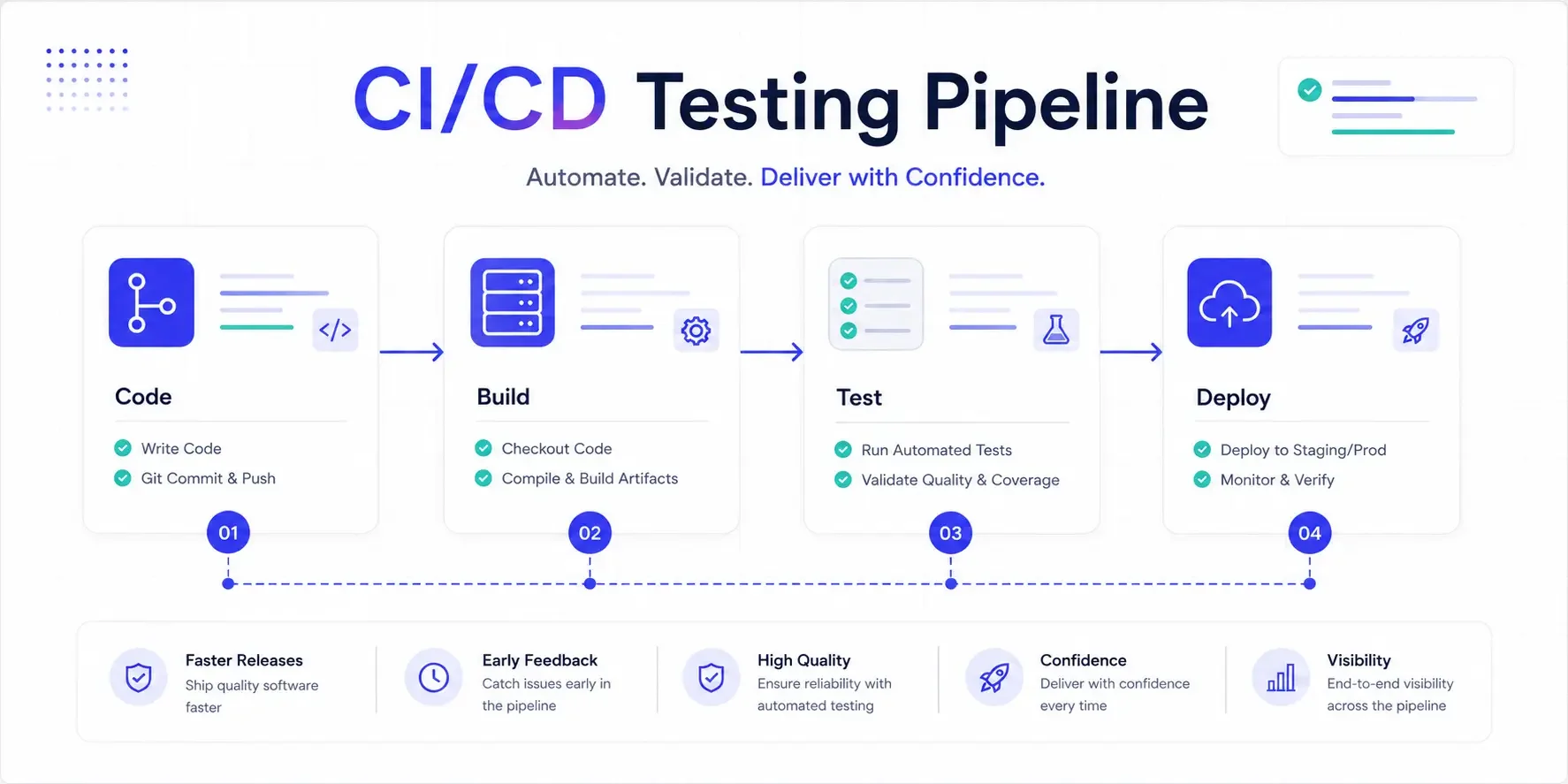
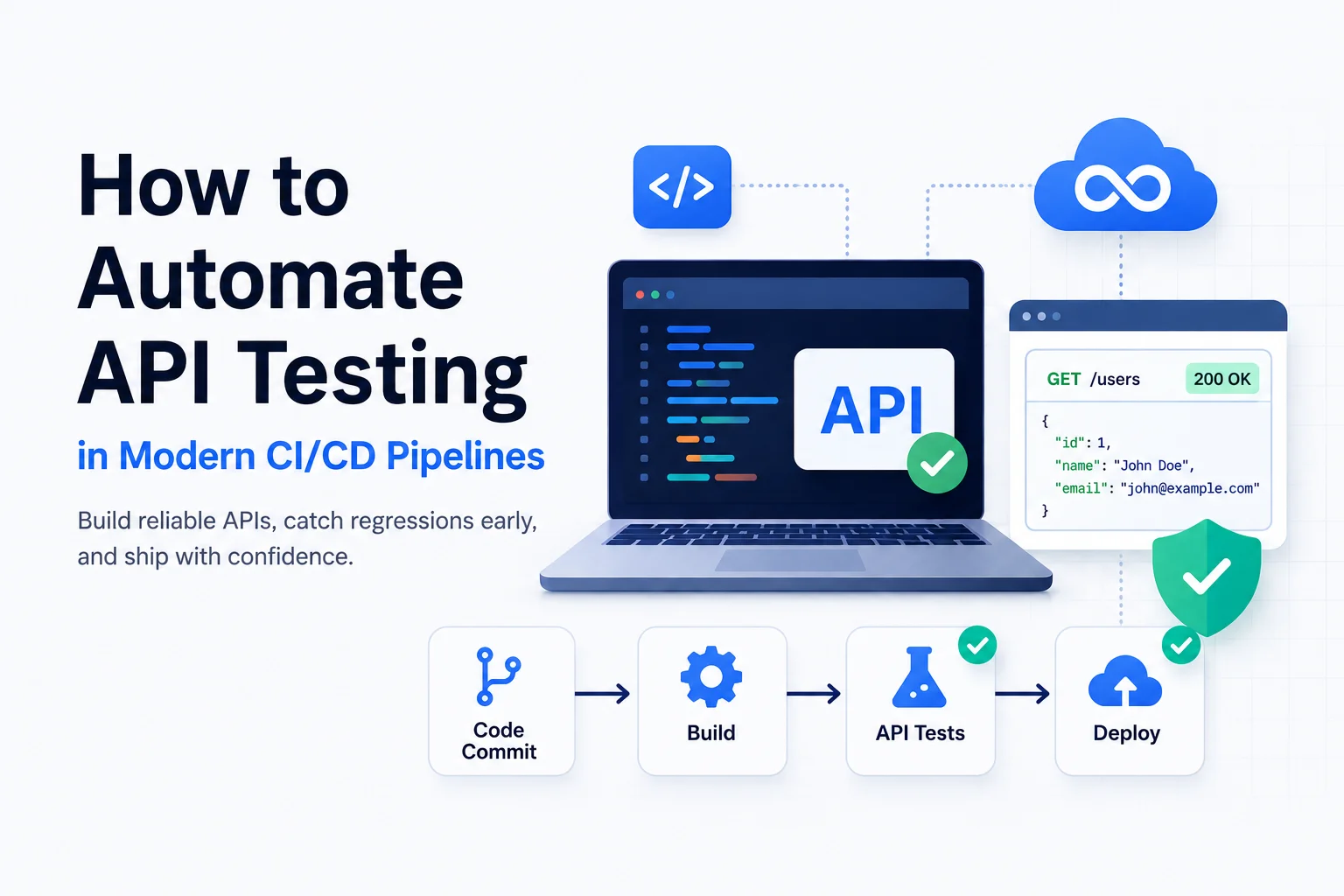
- Run tests continuously in CI/CD
- Catch issues as soon as they appear
This reduces risk and speeds up iteration.
3. Stop Treating APIs as Isolated Units
An API rarely fails on its own.
Failures usually come from:
- Service dependencies
- Data inconsistencies
- Integration issues
So instead of testing endpoints in isolation:
- Test workflows
- Validate service interactions
- Simulate real system behavior
For a deeper look at how to structure this approach, check out this guide on API testing strategies
4. Focus on What Breaks in Production
Most teams over-test happy paths.
But production issues come from:
- Invalid inputs
- Edge cases
- Timeouts
- Rate limits
To build confidence:
- Prioritize failure scenarios
- Test boundaries, not just basics
- Think like a user—not a developer
5. Reduce Dependence on Manual Effort
Manual testing slows everything down:
- Writing test cases takes time
- Maintaining them is painful
- Scaling becomes difficult
Modern teams:
- Automate repetitive testing
- Generate tests dynamically
- Keep maintenance minimal
The goal isn’t just automation—it’s sustainability.
What High-Performing Teams Do Differently
After looking at successful engineering teams, a pattern emerges.
They:
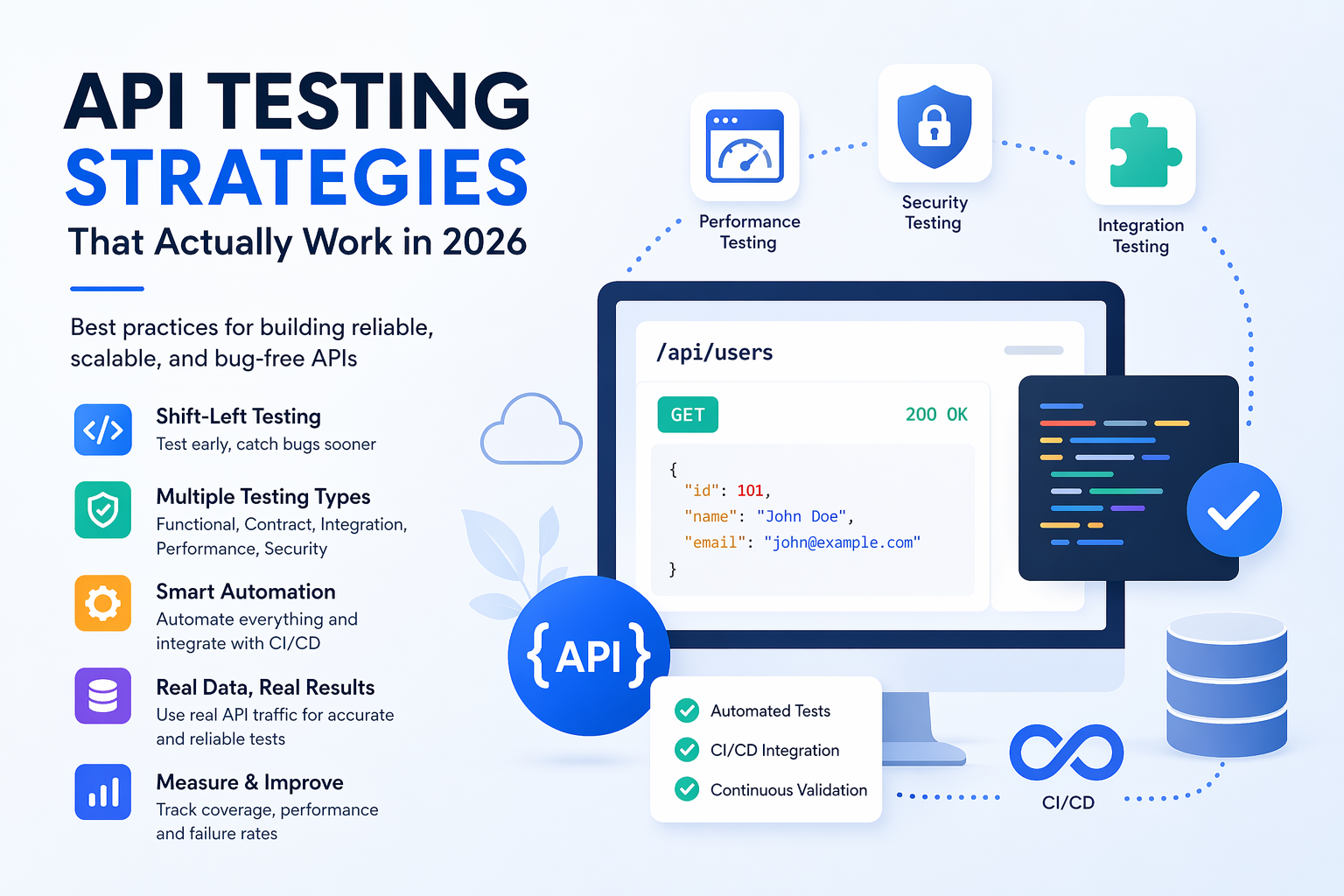
- Test early (shift-left mindset)
- Use real data instead of assumptions
- Automate intelligently
- Integrate testing into every stage
- Continuously improve coverage
These are the foundations of modern API testing strategies.
The Real Goal: Confidence at Scale
Testing is not the end goal.
Confidence is.
Confidence that:
- Your APIs won’t break under load
- Integrations will work as expected
- Changes won’t introduce hidden bugs
And that confidence comes from:
- Better strategies
- Smarter tools
- Continuous validation
Final Thoughts
If your API testing still feels like a checklist, you’re missing the bigger picture.
The future isn’t about writing more tests.It’s about building systems that are continuously validated against real-world behavior.
Because in modern development, shipping fast is easy.Shipping reliably is what matters.
SEO Tags
API Testing, API Automation, DevOps, Backend Development, Software Testing, CI/CD, Test Strategy
If you want, I can next:
- create 3 backlink blogs (different tones)
- optimize this for Google ranking (exact keyword density)
- or convert this into a LinkedIn viral post / thread