
 Sign up with Google
 Sign in with Zoho

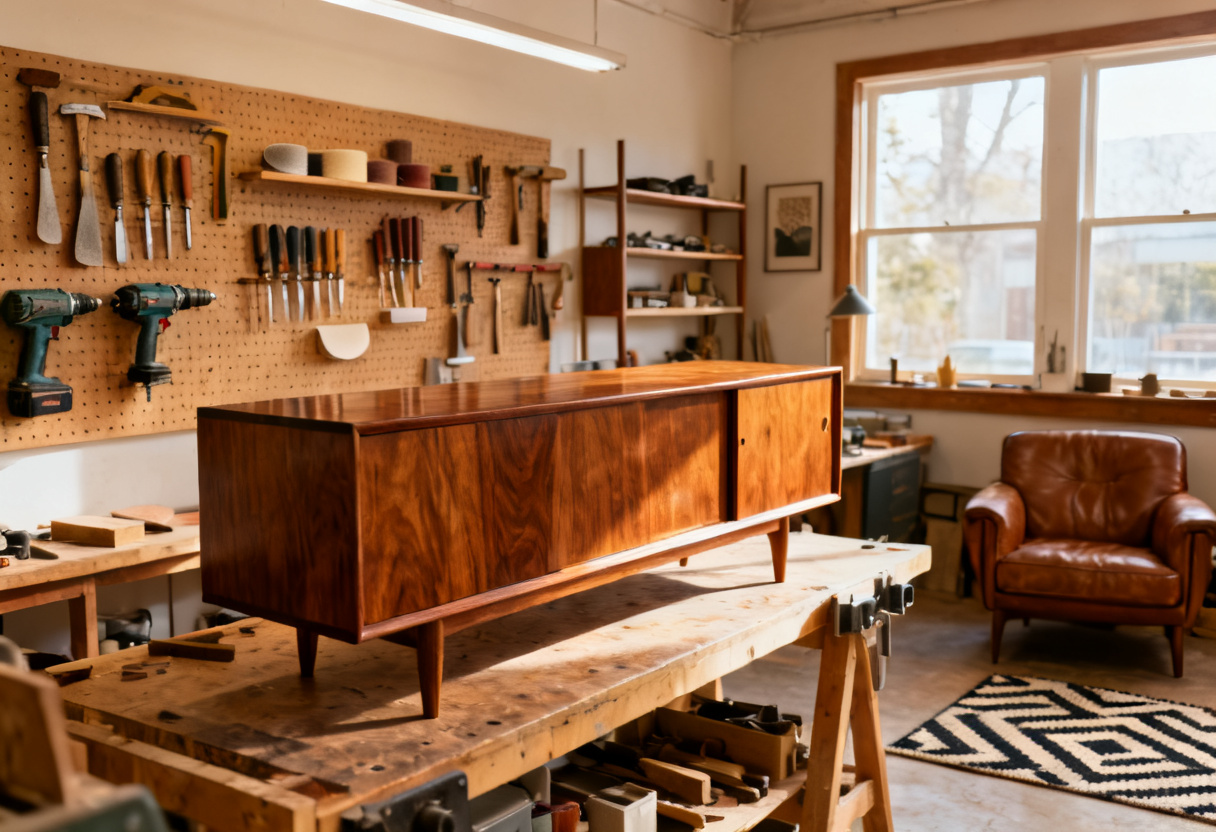
There’s something about Mid Century Modern furniture that just sticks with people. I’ve seen clients walk into a workshop with a scratched-up teak table they almost left on the curb… and walk out genuinely surprised that it could look “better than new” again.
That reaction is pretty common.
The truth is, mid century modern furniture (or MCM furniture, as most people call it) was built during a time when craftsmanship actually mattered. Even when it looks tired or damaged, the bones underneath are usually solid. That’s why restoration is such a big part of keeping these pieces alive today—especially here in places like Melbourne where vintage design is in high demand.
This guide breaks things down in a simple, honest way based on real restoration experience—not theory.
1. Why People Still Care About MCM Furniture
If you spend any time around vintage furniture, you’ll notice something quickly: people don’t just buy MCM pieces for looks. There’s a kind of emotional attachment that comes with them.
I once worked on a 1960s sideboard that belonged to a client’s grandparents. It was scratched, faded, and had one door that wouldn’t close properly. On paper, it didn’t seem worth saving. But for them, it wasn’t just furniture—it was memory.
That’s the thing about mcm furniture. It carries history. And unlike modern flat-pack pieces, it was designed to be repaired, not replaced.
Even outside of sentiment, there’s also design value. The proportions, the tapered legs, the warm timber tones—it all still fits surprisingly well in modern homes.
2. What Usually Goes Wrong Over Time
Most Mid Century Modern pieces don’t fail dramatically. They just slowly wear down.
The most common issues I see in midcentury modern furniture include:
- Sun fading on one side of the piece (very common near windows)
- Loose joints from decades of movement
- Veneer lifting, especially on tabletops
- Dry, dull finishes that lose their warmth
- Upholstery that has simply given up after years of use
What surprises people is that most of this looks worse than it actually is. A dull surface or loose leg doesn’t mean the piece is “ruined”—it usually just means it hasn’t been maintained in a long time.
In Melbourne homes, I also see humidity-related movement in timber, especially in older houses. That’s something many people don’t even realise affects furniture.
3. The Part Most People Get Wrong About Restoration
One of the biggest misconceptions is that restoration means making something look brand new.
It doesn’t.
Good restoration is actually about restraint.
I’ve seen over-restored pieces where all the character has been sanded away in pursuit of a perfect finish. The problem is, once you remove too much of the original surface, the furniture loses its identity.
The goal with furniture restoration Melbourne work—at least the way most skilled restorers approach it—is to balance two things:
- Keep as much original material as possible
- Only replace what genuinely needs repair
That balance is what separates a restored piece from a “refurbished” one.
4. How Restoration Actually Happens (In Real Terms)
If I strip away the technical jargon, restoration usually follows a very human process: assess, fix, respect the original, then finish carefully.
Here’s what that looks like in practice.
First comes inspection. Not just looking at damage, but understanding how the piece has aged. A table might look scratched, but the real issue could be instability underneath.
Then comes structural repair. This is where the real work happens—regluing joints, stabilising frames, fixing hidden weaknesses. If this step is rushed, everything else fails later.
After that, surfaces are handled. And this is where experience really matters. Sand too much and you lose history. Sand too little and the finish won’t bond properly. There’s no exact formula—just judgment built from experience.
Veneer repair is often the most delicate stage. I’ve spent hours matching tiny sections of grain so a repair becomes almost invisible. When it works well, you don’t notice the fix—you just notice the piece looks “right” again.
Finally, finishing brings everything back to life. Oil finishes are especially popular with mcm furniture because they enhance grain without making the piece look artificial.
5. Materials and Techniques That Actually Matter
People often expect restoration to involve complicated tools, but most of the work comes down to patience and understanding wood.
For example, teak—very common in Mid Century Modern design—responds beautifully to oil finishes but badly to over-sanding. Walnut behaves differently again. Oak can be more forgiving but still needs careful handling.
One thing I always tell clients is this: the finish you choose changes the personality of the furniture.
A matte oil finish keeps things natural and warm. A harder lacquer gives more protection but can feel less authentic if overdone.
Upholstery is another area where decisions matter. Replacing fabric isn’t just about colour—it’s about texture, density, and even how the furniture feels when you sit on it.
And then there’s metal hardware. I’ve seen pieces completely transformed just by cleaning and reconditioning handles that were previously ignored.
6. DIY vs Professional Restoration (The Honest Truth)
This is where people usually overestimate what’s possible at home.
Simple maintenance? Absolutely doable. Cleaning, polishing, tightening screws—no problem.
But once you get into structural repair or veneer work, things get risky fast.
I’ve had clients bring in DIY projects that started as “just a light sand” and ended up needing full surface rebuilding because too much material was removed.
That’s why for anything valuable or sentimental, professional furniture restoration Melbourne services are usually the safer route. Not because DIY isn’t possible—but because mistakes in restoration are often irreversible.
A good restorer doesn’t just fix damage. They also decide what not to touch.
That part is often more important than the repair itself.
7. How to Keep Restored Pieces Looking Good
Once a piece is restored, the real job becomes maintenance—not repair.
And honestly, this part is simple, but people often ignore it.
Keep furniture out of harsh direct sunlight. That’s probably the biggest factor in fading.
Avoid placing hot or wet items directly on wood surfaces. It sounds basic, but most damage I see comes from everyday use, not accidents.
Dust regularly with a soft cloth. Nothing fancy.
And every so often, give wooden surfaces a light refresh with oil if needed. Not too much—just enough to keep the grain alive.
If you treat midcentury modern furniture properly after restoration, it can easily last another few decades without major work again.
Final Thoughts
Restoring Mid Century Modern furniture isn’t just a technical process—it’s a mix of patience, respect, and a bit of restraint. Every piece tells a different story, and no two restorations are ever exactly the same.
What I’ve learned over time is that the best results don’t come from trying to erase age, but from working with it.
When done properly, mcm furniture doesn’t just get “fixed.” It gets a second life—with its character intact, its flaws refined, and its story still visible.







.webp)