
 Sign up with Google
 Sign in with Zoho

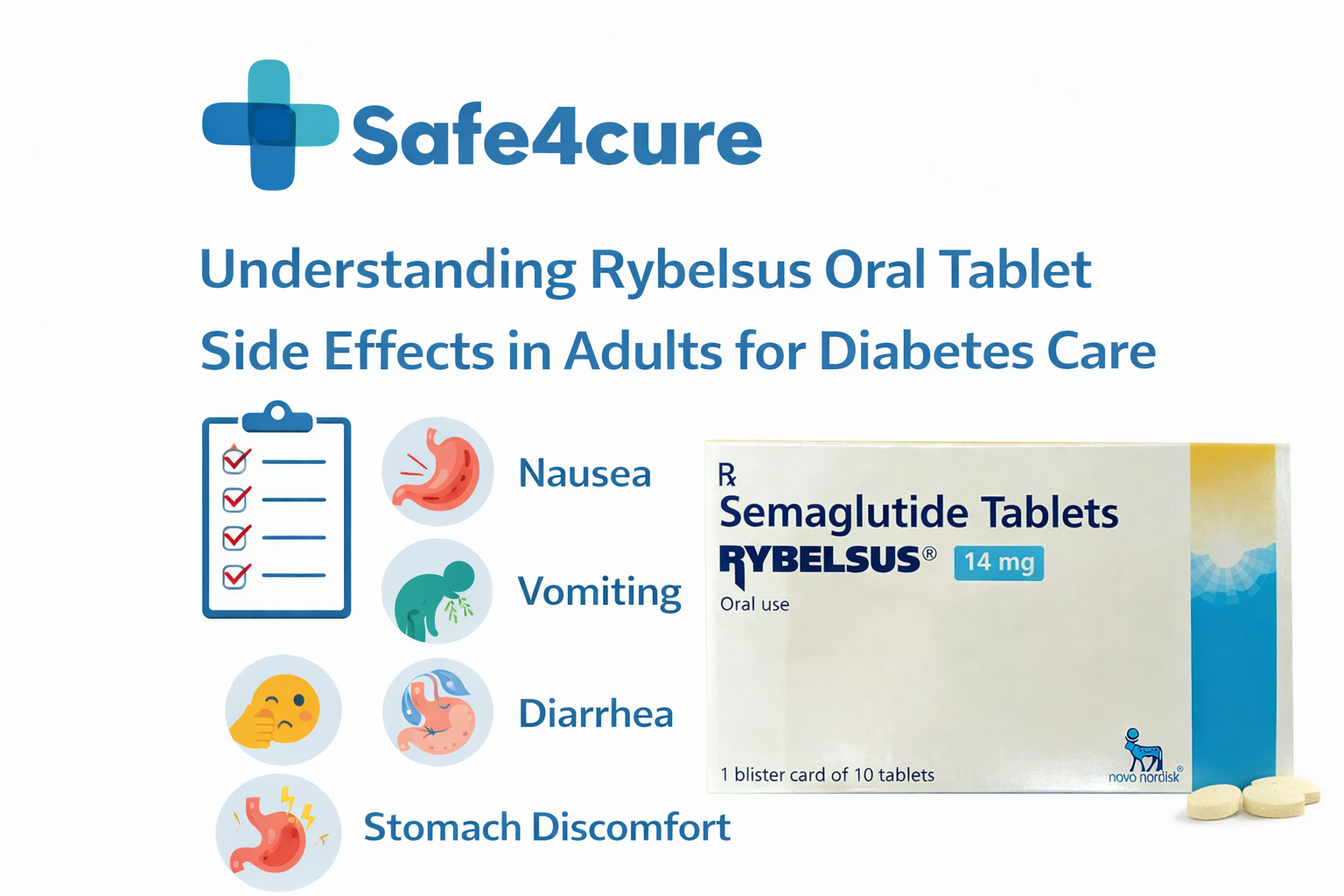
Managing type 2 diabetes often requires careful daily attention—monitoring blood sugar, following a balanced diet, staying active, and taking medications consistently. For many adults, oral treatments like metformin are the first step, but sometimes additional help is needed. GLP-1 receptor agonists have become an effective option for improving blood sugar control, though most of these medications traditionally required injections. Rybelsus oral tablet (semaglutide) changed that by offering the first non-injectable GLP-1 therapy, providing a convenient pill for adults seeking better glucose management. However, convenience doesn’t eliminate risk. Being aware of the side effects of Rybelsus, from minor digestive issues to more serious reactions, is crucial. Understanding these potential effects helps you stay safe, recognize warning signs early, and make informed decisions with your healthcare provider.
What is Rybelsus Oral Tablet?
Rybelsus is the tablet form of semaglutide, a medication that mimics a natural hormone called glucagon-like peptide-1 (GLP-1). Here’s how it works: when you eat, your gut releases GLP-1, which tells your pancreas to release insulin. It also slows down digestion and signals your brain that you’re full. This medication amps up that natural process, helping your body lower blood sugar more effectively after meals.
Beyond blood sugar control, many adults appreciate the added benefit of weight management. Because these mediaction slows stomach emptying and reduces appetite, gradual weight loss is common. In clinical trials, patients lost several pounds over time—a welcome side effect for those struggling with obesity and diabetes.
Typical dosing starts low. Most adults begin with a 3 mg tablet once daily for 30 days. This helps your body adjust. Then, your doctor will likely increase it to 7 mg. If needed, you may go up to 14 mg daily. The key rule? Take it on an empty stomach first thing in the morning, with no more than 4 ounces of plain water. Then wait at least 30 minutes before eating or drinking anything else. Break that rule, and the medication won’t absorb properly.
Minor Side Effects of Rybelsus Tablet
Let’s start with the good news: most side effects from Rybelsus are mild and tend to improve as your body gets used to the medication. That said, the first few weeks can be uncomfortable for some people. Common Rybelsus tablet minor side effects include nausea, mild vomiting, headache, dizziness, and fatigue.
Nausea tops the list. In fact, up to one in five people report feeling queasy, especially during the first month. This happens because it slows stomach emptying, so food sits longer than usual. Mild vomiting can occur alongside nausea, though it’s less common. Some adults also complain of dull headaches or feeling lightheaded when standing up quickly. Fatigue—a general tiredness that isn’t linked to activity—shows up in a smaller percentage of users.
The good news? These symptoms often fade within a few weeks. Staying hydrated, eating smaller meals, and avoiding greasy or spicy foods can help. If dizziness or fatigue lingers beyond a month, let your doctor know. They might adjust your dose or suggest timing changes.
Major Side Effects of Rybelsus Tablet
While rare, some Rybelsus tablet major side effects demand serious attention. These don’t happen to most people, but knowing the signs could save your life.
Pancreatitis (inflammation of the pancreas) is one of the most concerning risks. Symptoms include severe upper stomach pain that may radiate to your back, along with nausea and vomiting that won’t quit. If you experience this, stop taking Rybelsus and seek medical help immediately.
Severe hypoglycemia (dangerously low blood sugar) is another potential danger, especially if you also take insulin or sulfonylureas like glipizide. Signs include confusion, blurred vision, shakiness, sweating, and even loss of consciousness. While Rybelsus alone rarely causes hypoglycemia, combining it with other diabetes meds increases risk.
Thyroid tumors, including a rare cancer called medullary thyroid carcinoma (MTC), have been reported in animal studies. Human cases are extremely rare, but the FDA requires a black box warning. Seek urgent care if you notice a lump or swelling in your neck, hoarseness, trouble swallowing, or shortness of breath.
Rybelsus Oral Tablet Side Effects on Stomach and Digestion
Let’s be honest—the stomach and digestion take the biggest hit with this medication. Rybelsus oral tablet side effects on stomach and digestion are by far the most common reason people stop taking it. We’re talking about nausea, vomiting, diarrhea, constipation, and sometimes just a general feeling of “fullness” that won’t go away.
Nausea usually strikes within the first few weeks, often peaking around week two or three. Diarrhea affects roughly one in ten users, while constipation is less common but still reported. Some adults describe a bloated, gassy feeling that makes eating uncomfortable. Vomiting, though less frequent, can happen if you eat too much or too quickly.
So how do you manage these gut issues? Start with the basics:
- Eat smaller, blander meals. Think crackers, rice, bananas, and toast.
- Avoid high-fat or fried foods. They take longer to digest and worsen nausea.
- Stay hydrated. Sip water throughout the day, especially if you have diarrhea.
- Consider ginger or peppermint tea to calm your stomach naturally.
- Don’t lie down right after eating. Give your stomach time to empty.
Most importantly, give it time. Your digestive system often adjusts after 4 to 6 weeks. If symptoms are severe or causing weight loss or dehydration, call your doctor. They may lower your dose or prescribe anti-nausea medication.
Allergic Reactions to Rybelsus Oral Tablet
True allergic reactions to Rybelsus oral tablet are uncommon, but they can happen. Because it is a peptide-based drug, your immune system might occasionally overreact.
Mild allergic signs include skin rash, hives, or generalized itching. You might notice redness or small bumps on your arms, chest, or back. Some adults report mild swelling of the lips, eyelids, or hands. These symptoms can often be managed with an antihistamine, but you should still notify your doctor.
- Serious allergic reactions are rare but require immediate emergency care. Watch for:
- Swelling of the tongue, throat, or face
- Difficulty breathing or wheezing
- Severe dizziness or fainting
- Rapid heartbeat
If you experience any of these, do not drive yourself to the hospital. Call 911 or have someone take you immediately. Also, if you’ve ever had a serious allergic reaction to semaglutide or any other GLP-1 medication (like Ozempic or Victoza), you should avoid Rybelsus altogether.
Serious Side Effects of Rybelsus Oral Tablet
Beyond pancreatitis and thyroid tumours, there are other serious side effects of the Rybelsus oral tablet that require urgent medical care. While rare, these complications can develop quickly and may become life-threatening if ignored.
Severe abdominal pain that doesn’t go away—especially if it’s sharp or radiates to your back—could signal pancreatitis or gallbladder issues. It increases the risk of gallstones, which can block bile ducts and cause intense pain, fever, and yellowing of the skin.
Persistent vomiting is another red flag. Occasional vomiting from nausea isn’t unusual, but if you can’t keep down water for more than 12 hours, you risk dehydration and kidney injury. Similarly, jaundice (yellowing of the skin or eyes) suggests a liver or gallbladder problem. Dark urine or clay-colored stools also warrant immediate attention.
Kidney problems have been reported in people who become dehydrated from severe vomiting or diarrhea. Signs include swelling in the ankles, shortness of breath, or urinating less than usual. If you have pre-existing kidney disease, your doctor should monitor your function closely.
Severe constipation leading to intestinal blockage is very rare but possible. If you haven’t had a bowel movement in several days and are experiencing bloating or cramping, don’t wait—call your doctor.
Who Should Avoid Taking Rybelsus Oral Tablet
Not every adult with type 2 diabetes is a good candidate for Rybelsus. Knowing who should avoid taking Rybelsus oral tablet can prevent serious harm.
Absolute contraindications include:
Personal or family history of medullary thyroid carcinoma (MTC) . This is a non-negotiable red flag. Even a distant relative with MTC means you should not take Rybelsus.
Multiple endocrine neoplasia syndrome type 2 (MEN 2) . This genetic condition increases the risk of thyroid cancer.
Severe gastrointestinal disease such as gastroparesis (stomach paralysis), inflammatory bowel disease, or a history of intestinal blockages. Because Rybelsus slows digestion, it can worsen these conditions dramatically.
Considerations for elderly adults: Older patients, especially those over 75, may be more sensitive to gastrointestinal side effects. Dehydration from vomiting or diarrhea can lead to falls, kidney injury, or medication interactions. If you’re elderly, your doctor might start you on an even lower dose or monitor you more closely.
Kidney or liver problems: Mild to moderate impairment is usually fine, but severe kidney disease (eGFR below 30) or advanced liver disease requires caution. Rybelsus hasn’t been well-studied in these groups, so alternative medications may be safer.
Also, if you are pregnant, planning to become pregnant, or breastfeeding, Rybelsus is not recommended. Animal studies suggest potential risks to the fetus, and it’s unknown whether the drug passes into breast milk.
Tips for Minimizing Side Effects
You don’t have to suffer through side effects blindly. Here are practical strategies to reduce your risk and improve your experience on Rybelsus.
Start low and go slow. Your doctor should begin you on 3 mg once daily for 30 days. This gradual titration allows your gut to adapt. Jumping to a higher dose too quickly almost guarantees nausea and vomiting.
Take it at the same time daily. Consistency helps your body predict and adjust to the medication. First thing in the morning, right after you wake up, is ideal. Set a phone reminder if needed.
Follow the 30-minute rule religiously. Take Rybelsus with a sip of water (no more than 4 ounces) and wait at least 30 minutes before eating, drinking, or taking other medications. This isn’t a suggestion—it’s how the pill is designed to absorb. Break this rule, and you’ll get less benefit and possibly more side effects.
Monitor for warning signs. Keep a simple symptom diary for the first two months. Note any nausea, vomiting, abdominal pain, or changes in bowel habits. Also track your blood sugar levels, especially if you take insulin. Share this log with your healthcare provider at each visit.
Report side effects early. Don’t wait until your next appointment if you’re miserable. A quick phone call or message to your doctor’s office can lead to solutions—like anti-nausea medication, a temporary dose reduction, or switching to an alternative GLP-1 medication.
Stay hydrated and eat smart. Small, frequent meals with lean protein and complex carbs are your best bet. Avoid alcohol, which can worsen both nausea and blood sugar swings.
Conclusion
Rybelsus oral tablet offers a breakthrough for adults with type 2 diabetes who want effective blood sugar control without injections. It also supports weight loss and has a convenient once-daily dosing schedule. But like any powerful medication, it comes with trade-offs.
We’ve covered the full spectrum from common tablet minor side effects like nausea and fatigue to rarer Rybelsus medication major side effects, including pancreatitis and thyroid tumours. We dug deep into Rybelsus oral tablet side effects on the stomach and digestion, which are the most frequent challenges. We outlined allergic reactions to the Rybelsus oral tablet(semaglutide), explained serious side effects of this oral tablet that require emergency care, and clarified who should avoid taking the Rybelsus oral tablet for safety reasons.
The bottom line? Rybelsus can be a game-changer for the right person. But it’s not for everyone. Before starting, have an honest conversation with your healthcare provider about your medical history, current medications, and personal risk factors. Never stop or adjust your dose on your own especially if you’re experiencing side effects. With proper monitoring, dose titration, and lifestyle adjustments, most adults tolerate well and achieve meaningful improvements in their diabetes care. Stay informed, listen to your body, and keep your doctor in the loop every step of the way.