 Sign up with Google
 Sign in with Zoho


Compliance is not optional—it is essential. Organizations responsible for maintaining the reliability of the bulk power system must follow strict regulatory standards. This is where a NERC Audit Service becomes critically important.
Preparing for a compliance audit can feel complex and overwhelming. However, with a clear checklist, proper planning, and expert support from trusted providers like Certrec, organizations can approach audits with confidence and achieve successful outcomes.
What Is a NERC Audit?
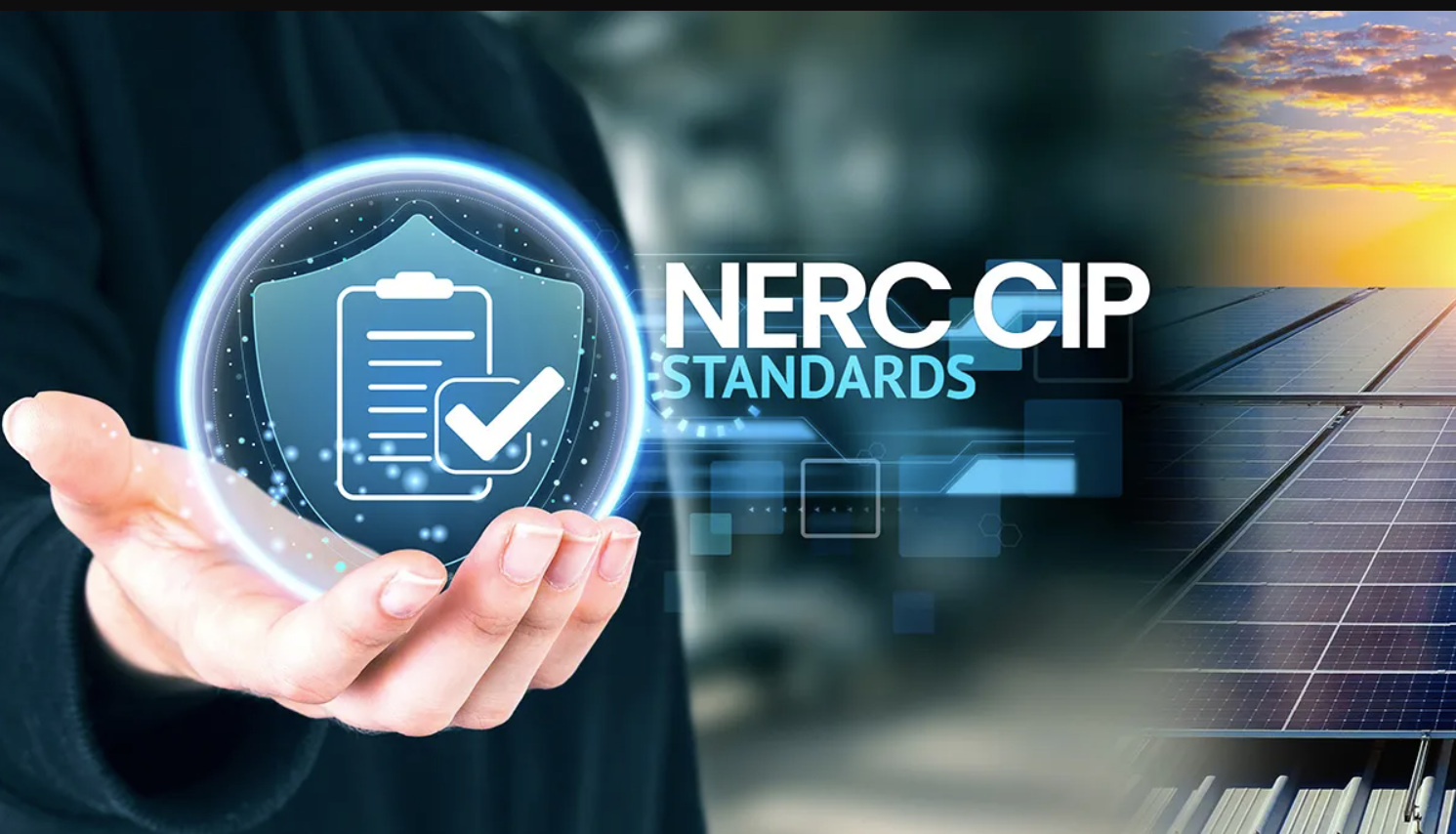
A NERC audit is a formal review conducted to ensure that an organization complies with standards set by the North American Electric Reliability Corporation (NERC). These standards are designed to ensure the reliability, security, and stability of the power grid.
Auditors evaluate:
- Policies and procedures
- Evidence of compliance
- Internal controls
- Risk management practices
Failing an audit can lead to penalties, reputational damage, and operational disruptions. That’s why many organizations rely on a NERC Audit Service for guidance and preparation.
Why a NERC Audit Service Is Important
A NERC Audit Service helps organizations:
- Understand complex compliance requirements
- Identify gaps before audits
- Organize documentation and evidence
- Reduce the risk of violations
- Improve overall compliance performance
With expert support from Certrec, organizations can simplify the audit process and stay ahead of regulatory changes.
Understanding the NERC Audit Process
Before diving into the checklist, it’s important to understand the audit lifecycle:
1. Audit Notification
Organizations receive advance notice of an upcoming audit.
2. Pre-Audit Preparation
This phase involves collecting documents, reviewing controls, and fixing gaps.
3. Audit Execution
Auditors review documentation, conduct interviews, and test systems.
4. Findings and Reporting
Results are shared, including any violations or recommendations.
5. Mitigation and Follow-Up
Organizations must address issues and implement corrective actions.
A professional NERC Audit Service supports each stage effectively.
Complete NERC Audit Service Checklist
1. Understand Applicable NERC Standards
Start by identifying which NERC standards apply to your organization, such as:
- CIP (Critical Infrastructure Protection)
- FAC (Facilities Design)
- PRC (Protection and Control)
- EOP (Emergency Operations)
Key Actions:
- Review all applicable standards
- Assign responsibility for each requirement
- Stay updated on regulatory changes
2. Conduct a Gap Analysis
A gap analysis helps compare your current practices with required standards.
Key Actions:
- Review existing policies
- Identify missing or weak areas
- Document risks and improvement plans
Organizations often partner with Certrec to perform detailed gap assessments.
3. Organize Documentation
Documentation is one of the most important aspects of compliance.
Examples of Required Documents:
- Policies and procedures
- Training records
- Maintenance logs
- Incident reports
- Access control records
Best Practices:
- Keep documents updated
- Store them in a centralized system
- Ensure quick access during audits
4. Develop Strong Internal Controls
Internal controls ensure that compliance is maintained consistently.
Examples:
- Access control systems
- Monitoring tools
- Change management processes
Key Actions:
- Define control objectives
- Implement safeguards
- Test controls regularly
5. Perform Internal Audits
Internal audits help simulate real audit conditions.
Benefits:
- Identify issues early
- Improve readiness
- Build team confidence
A NERC Audit Service often includes mock audits for better preparation.
6. Train Your Team
Staff training is essential for compliance success.
Training Topics:
- NERC standards
- Security protocols
- Incident response
- Documentation practices
Key Actions:
- Conduct regular training sessions
- Maintain training records
- Provide role-specific training
Certrec offers expert-led training programs tailored to compliance needs.
7. Review Evidence Requirements
Auditors require clear and accurate evidence.
Types of Evidence:
- System logs
- Reports
- Screenshots
- Emails
- Access records
Key Actions:
- Map evidence to each requirement
- Verify accuracy and completeness
- Keep records up to date
8. Establish a Compliance Calendar
A compliance calendar helps track all activities and deadlines.
Includes:
- Audit timelines
- Reporting deadlines
- Training schedules
- Maintenance activities
This improves organization and accountability.
9. Conduct Risk Assessments
Risk assessments help identify and manage potential threats.
Key Areas:
- Cybersecurity risks
- Operational risks
- Data handling risks
Key Actions:
- Identify potential risks
- Evaluate impact
- Implement mitigation strategies
10. Prepare for Auditor Interaction
Auditors may interview staff and request additional information.
Preparation Tips:
- Be clear and honest
- Provide accurate answers
- Avoid unnecessary details
Mock interviews are highly recommended.
11. Review Previous Audit Findings
Past audit results provide valuable insights.
Key Actions:
- Analyze previous issues
- Ensure corrective actions are completed
- Prevent repeat violations
12. Implement Continuous Monitoring
Compliance is an ongoing process.
Includes:
- Regular system checks
- Automated alerts
- Performance monitoring
This ensures continuous readiness.
13. Use Compliance Tools and Technology
Modern tools make compliance easier and more efficient.
Benefits:
- Better accuracy
- Reduced manual work
- Faster audit preparation
A NERC Audit Service often includes advanced tools for tracking compliance.
14. Create an Audit Response Plan
An audit response plan defines how your team will handle audits.
Includes:
- Roles and responsibilities
- Communication procedures
- Document submission processes
This ensures smooth audit execution.
15. Partner with Experts Like Certrec
Managing compliance alone can be challenging.
Why Choose Certrec:
- Industry expertise
- Proven success record
- Comprehensive compliance services
Certrec provides complete NERC Audit Service solutions to help organizations achieve audit success.
Common Challenges in NERC Audit Preparation
Organizations often face:
- Complex regulations
- Incomplete documentation
- Limited resources
- Lack of trained staff
- Changing standards
A professional NERC Audit Service helps overcome these challenges.
Best Practices for Successful Audit Preparation
- Start early
- Stay organized
- Keep documentation updated
- Train staff regularly
- Use expert guidance
Consistency is key to long-term compliance success.
Benefits of Proper Audit Preparation
Effective preparation leads to:
- Reduced risk of penalties
- Improved operational efficiency
- Stronger security posture
- Better team coordination
- Increased confidence during audits
The Role of Certrec in NERC Compliance
Certrec is a trusted provider of regulatory compliance services. Their offerings include:
- Audit preparation
- Gap analysis
- Training programs
- Documentation support
- Ongoing compliance management
By partnering with Certrec, organizations gain reliable support and expert insights.
Future Trends in NERC Audits
The future of NERC audits includes:
- Increased focus on cybersecurity
- Automation and digital tools
- Remote auditing practices
- Stricter compliance requirements
Organizations must stay prepared to adapt to these changes.
Conclusion
Preparing for a compliance audit doesn’t have to be stressful. With a structured checklist and expert support, organizations can successfully navigate audits and maintain compliance.
A NERC Audit Service simplifies the process, reduces risks, and ensures readiness. By following this checklist and working with trusted experts like Certrec, organizations can achieve long-term compliance success.
FAQs
1. What is a NERC Audit Service?
A NERC Audit Service helps organizations prepare for and manage compliance audits by providing expert guidance and support.
2. How often are NERC audits conducted?
They typically occur every few years, depending on the organization and risk profile.
3. What happens if a company fails a NERC audit?
Failure can result in fines, penalties, and required corrective actions.
4. How does Certrec help with NERC audits?
Certrec offers services such as audit preparation, training, gap analysis, and ongoing compliance support.
5. What is the most important part of audit preparation?
Proper documentation and evidence are critical for demonstrating compliance.
6. How long does audit preparation take?
Preparation can take several months depending on the organization’s readiness.
7. Can small organizations use a NERC Audit Service?
Yes, it helps organizations of all sizes maintain compliance and reduce risk.
8. What are common audit mistakes?
Incomplete documentation, lack of training, and weak internal controls.
9. Why is continuous monitoring important?
It ensures ongoing compliance and readiness for audits at all times.
10. Why is NERC compliance important?
It ensures the reliability and security of the power grid, protecting infrastructure and consumers.