 Sign up with Google
 Sign in with Zoho

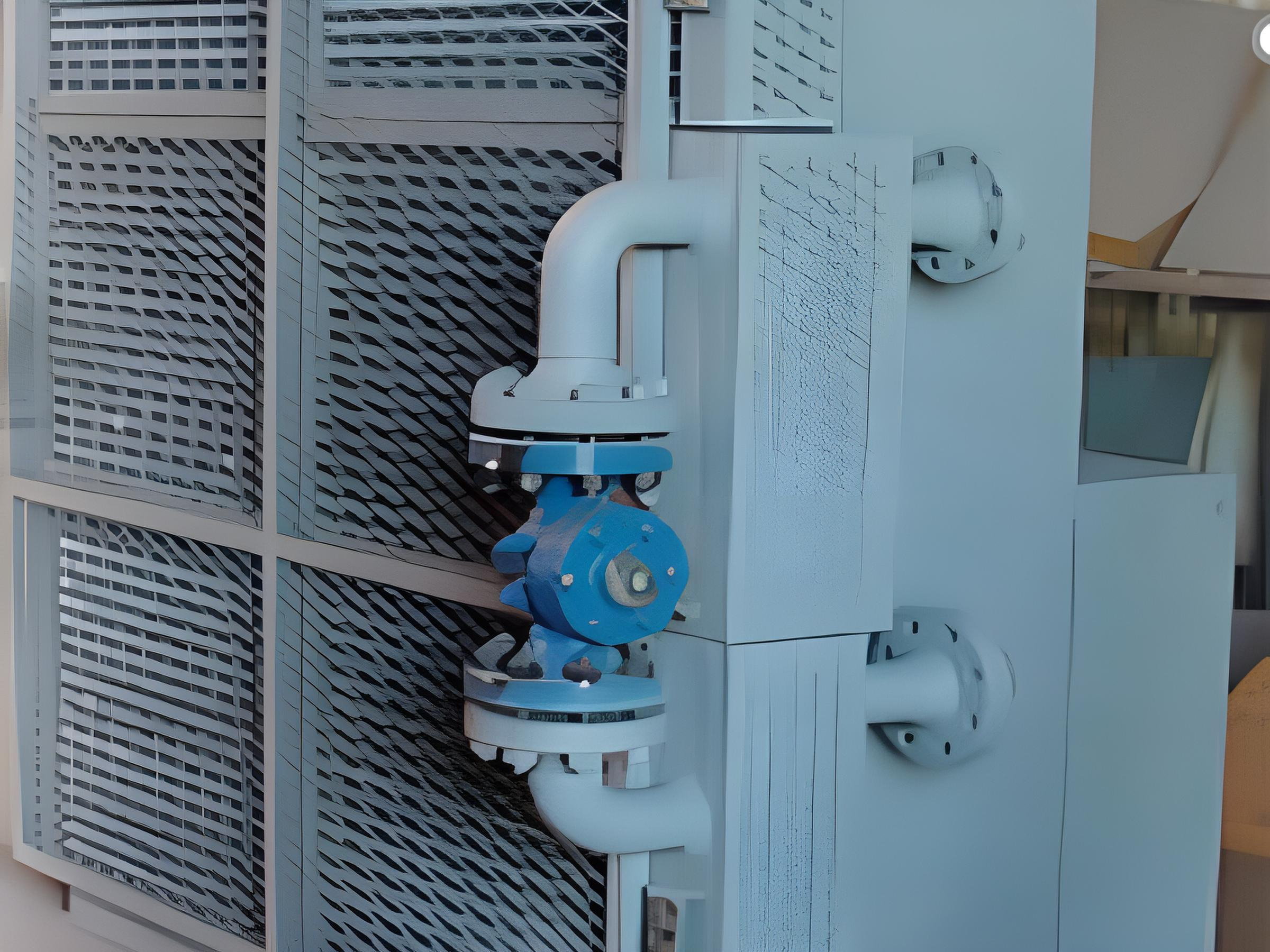
There are reasons why thermal fluid heaters are used in an industrial setting for their ability to supply process heat in a uniform, controlled manner. Maintaining the required temperature of a process often is critical to the product quality, as well as production efficiencies and the effectiveness of the manufacturing equipment. For some applications steam isn't an option or the most cost-effective system is.
What Are Thermal Fluid Heaters?
A thermal fluid heater is a type of heater which is used to heat a special fluid, which is then circulated through equipment to transfer heat. This fluid isn't water which makes steam. Instead a heat transfer fluid called thermal oil.
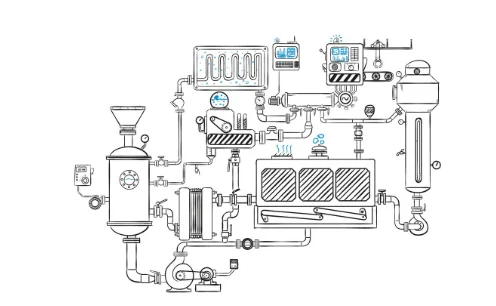
The liquid is heated within the heater with a burner or other source of heat. The warm liquid is pumped using a circulation pump through pipelines, process equipment, heat exchangers, tanks, etc. The heat from the liquid is then dispersed within the system. The cooled liquid is returned to the heater.
This flow rate can be sustained through processes allowing industries to keep consistent process temperatures during their manufacturing processes without using high pressure steam to distribute the heat.
How Does a Thermal Fluid Heating System Work?
Principle of a fluid heating system is based on indirect heat transfer. In general it can be divided into the following four processes.
The heater has a burner inside that heats the fluid. The heater may burn gas, diesel or other fuels.
A circulation pump circulates the water through insulated pipes to the heat demand.
The hot fluid supplies heat to the process through jackets, coils, heat exchangers and other heating surfaces.
The fluid receives its heat release. It recycles to the heater. The cycle. The temperature is sustained at the operating temperature.
Protecting the system with controls, expansion tanks, safety devices and flow monitors provides peace of mind.
Top Advantages of Thermal Fluid Heaters
Industrial facilities implement fluid heating systems for a variety of operational benefits.
These units have the ability to achieve high process temperatures. Do not need the elevated operating pressures necessary by most steam systems. The temperature attainable is a function of the heat transfer fluid used and the equipment design.
By circulating the fluid a consistent temperature is maintained. In manufacturing where temperature control is essential in product quality this is a good advantage to have.
An effective system carries the energy to multiple areas of production and multiple machines throughout the operation. Insulating pipework helps to minimise heat loss.
Thermal fluid systems can overcome some of the maintenance issues that can be encountered with steam traps, condensate return lines and water treatment. The fluid however will still need to be checked and replaced when necessary.
Industrial use: Multiple process units can be heated using a single central heating system. This is ideal for a set up where an end user has a number of units to heat.
Popular Industrial Uses
Industries that require the use of a fluid heater Thermal fluid heaters are used in many industries with manufacturing processes requiring controlled and consistent heat.
- It is used for heating reactors, storage tanks and processing vessels where even temperatures are needed.
- Conducive to dyeing, drying, finishing and other processes that require heat.
- Food Processing: Offers heating for appropriate processing equipment, cooking systems and production processes.
- Allows for the regulation of temperature in storage tanks, pipelines and equipment used in processing.
- Pharmaceuticals: Assists with production of temperature manufacturing processes and equipment.
- For mold heating, manufacturing equipment and processing systems.
The system arrangement is subject to industry temperature needs, production and use.
Key Factors to Consider When Choosing a Thermal Fluid Heater
You cannot simply take a look at a heaters capacity and select a device. There are a handful of technical considerations however which need to be considered before purchasing.
The thermal fluid selected must be compatible with the operating temperature.
Heating capacity: Determine the heat demand for the process all startup conditions, operating conditions and any increases in production.
Heat-Transfer Fluid Choice: Various thermal fluids have varying temperature limits, thermal stability and viscosity properties. Making the choice of fluid will provide additional assurance of safe and reliable operation.
Consider availability, operating cost and environmental issues of gas, diesel and other fuels.
If necessary arrangements must be made for circulation, pressure safety and control temperature control and safety leak prevention and emergency shutdown.
The equipment is arranged in a manner that easy access for check-up, cleaning, sampling of fluids and component replacement is provided.
Long-Term Performance Tips for Maintenance
maintenance ensures reliability of operation and minimises the potential for unplanned downtime.
Periodic checking of pumps, burners, valves, piping, connections, insulation and temperature sensing should be done. The thermal fluid should also be checked for oxidation, contamination, viscosity and thermal degradation.
Fluid circulation: Any deviation in flow can result in heat. Strainers and filters should be inspected routinely. Expansion tanks and safety devices should be in good condition.
By following the manufacturers maintenance plan and keeping operating records you might be able to prevent problems from occurring.
Thermal fluid heaters offer industries a heating solution at high temperatures with stable heat transfer and reliable process performance. They can circulate fluid throughout numerous production units and are ideal for use in chemical, textile, food, plastics and other manufacturing industries.
Features to consider when choosing a fluid heating system are heating capacity, operating temperature, type of fluid used, fuel type, as well as safety features. When properly engineered, installed and maintained a thermal fluid heating system can provide operation of industrial equipment over the long term. Heat transfer solutions for purposes are available, from firms including Kinetic Engineering Corporation.