Sign up with Google
 Sign in with Zoho

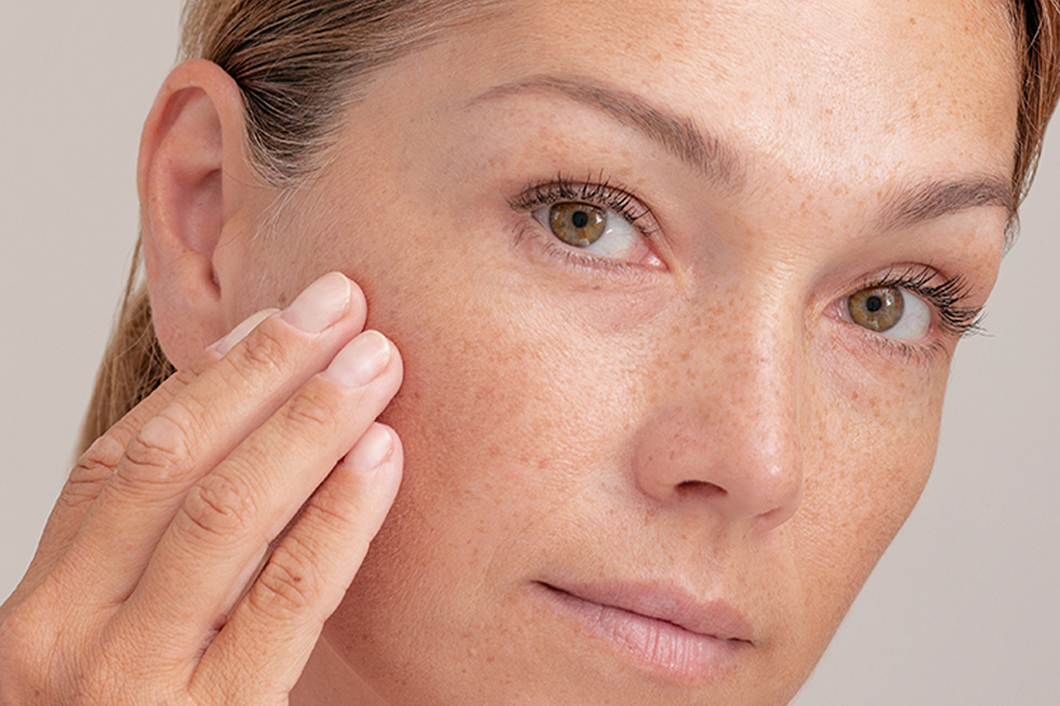
You see those brown or greyish spots on your skin which never seem to go away no matter what you do? Let me tell you, that’s melasma, and if you’ve been looking for Melasma Treatment in Vasant Kunj, you are not alone, as this is one of the most common skin issues, especially for people who are exposed to a lot of sun or are going through hormonal changes.
So, What Exactly Is Melasma?
Melasma is basically your skin producing extra pigment in certain areas, usually on the cheeks, forehead, upper lip, or jawline. It’s not harmful, but yes, it can be frustrating. The tricky part? It doesn’t just “go away” with regular creams.
Why Does It Happen?
There’s no single reason behind melasma. It’s usually a mix of things:
- Too much sun exposure (biggest culprit)
- Hormonal changes (like pregnancy or birth control)
- Genetics
- Heat and even stress
This is why two people with similar skin types can have completely different experiences with melasma.
Treating Melasma the Right Way
The honest truth? Melasma requires patience and the right guidance. At Kara Skin Clinic, Dr. Rashmi Sharma believes in understanding your skin before moving on to treatments. And that’s exactly where the magic happens. So, a good Melasma Treatment in Vasant Kunj should comprise:
Using medical-grade creams to control pigmentation
Chemical peeling to gently remove dead cells from your skin
Laser therapy in some cases
And most importantly, sun protection!
The Golden Rule: Sunscreen Is Non-Negotiable
You can get the best treatment in the world, but without sunscreen, melasma will keep coming back. A good SPF is honestly your skin’s best friend in this journey.
Final Thoughts
Melasma can be quite persistent at times, but rest assured that it is quite possible to manage melasma effectively. With proper guidance from a medical expert like Dr. Rashmi Sharma and a little patience, you can achieve smooth and evenly toned skin.
Dark patches on the skin, often referred to as hyperpigmentation, can appear for several reasons. Common causes include prolonged sun exposure, hormonal changes, acne scars, aging, and certain medical conditions. When the skin produces excess melanin, it leads to uneven tone and darker areas, especially on the face, neck, or hands.
Treating these patches the right way requires consistency and care. Using sunscreen daily is essential to prevent further darkening. Topical treatments like vitamin C, retinoids, and mild exfoliants can help fade pigmentation over time. Natural remedies may offer slow results, but dermatologist-recommended treatments such as chemical peels or laser therapy can be more effective for stubborn patches. Maintaining a healthy skincare routine and avoiding harsh products is key to achieving clearer, even-toned skin.