 Sign up with Google
 Sign in with Zoho
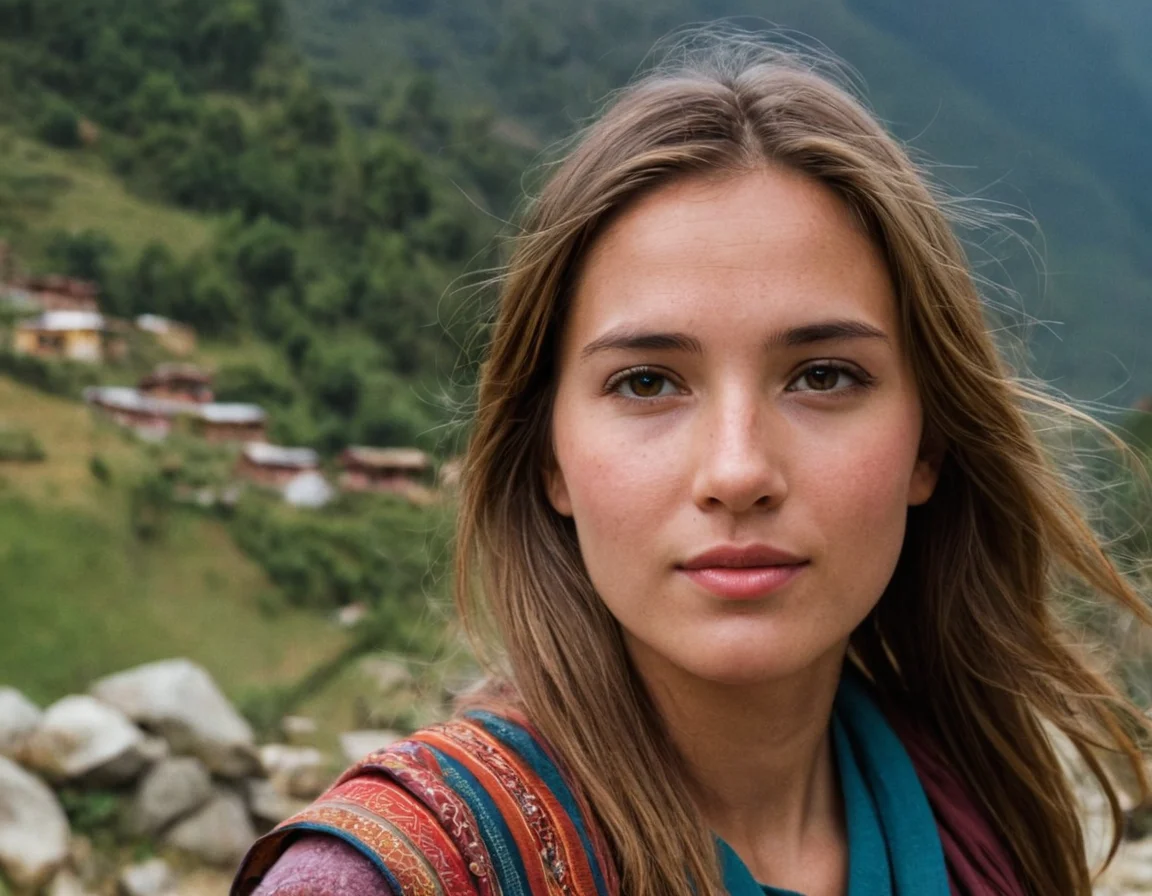
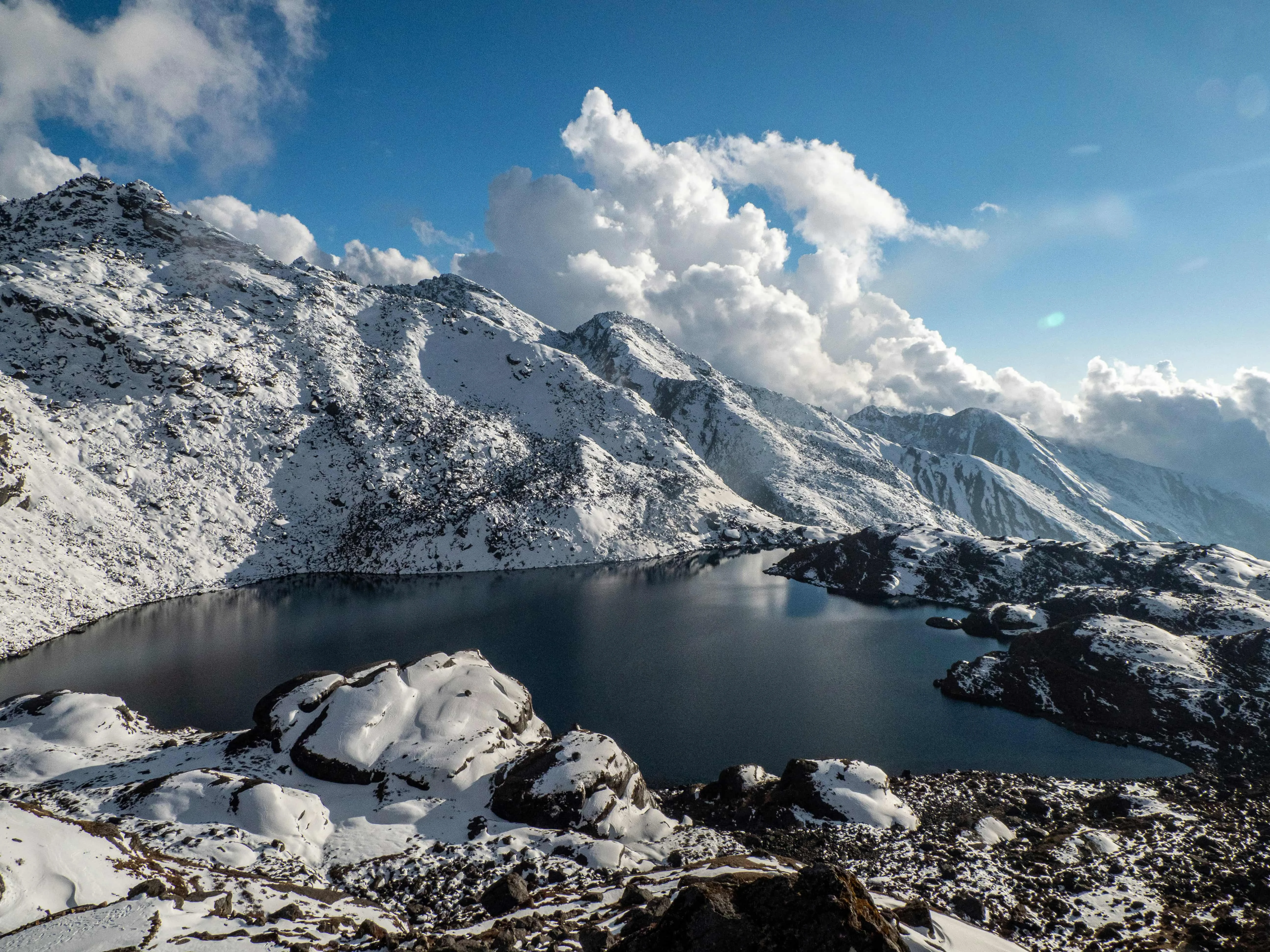
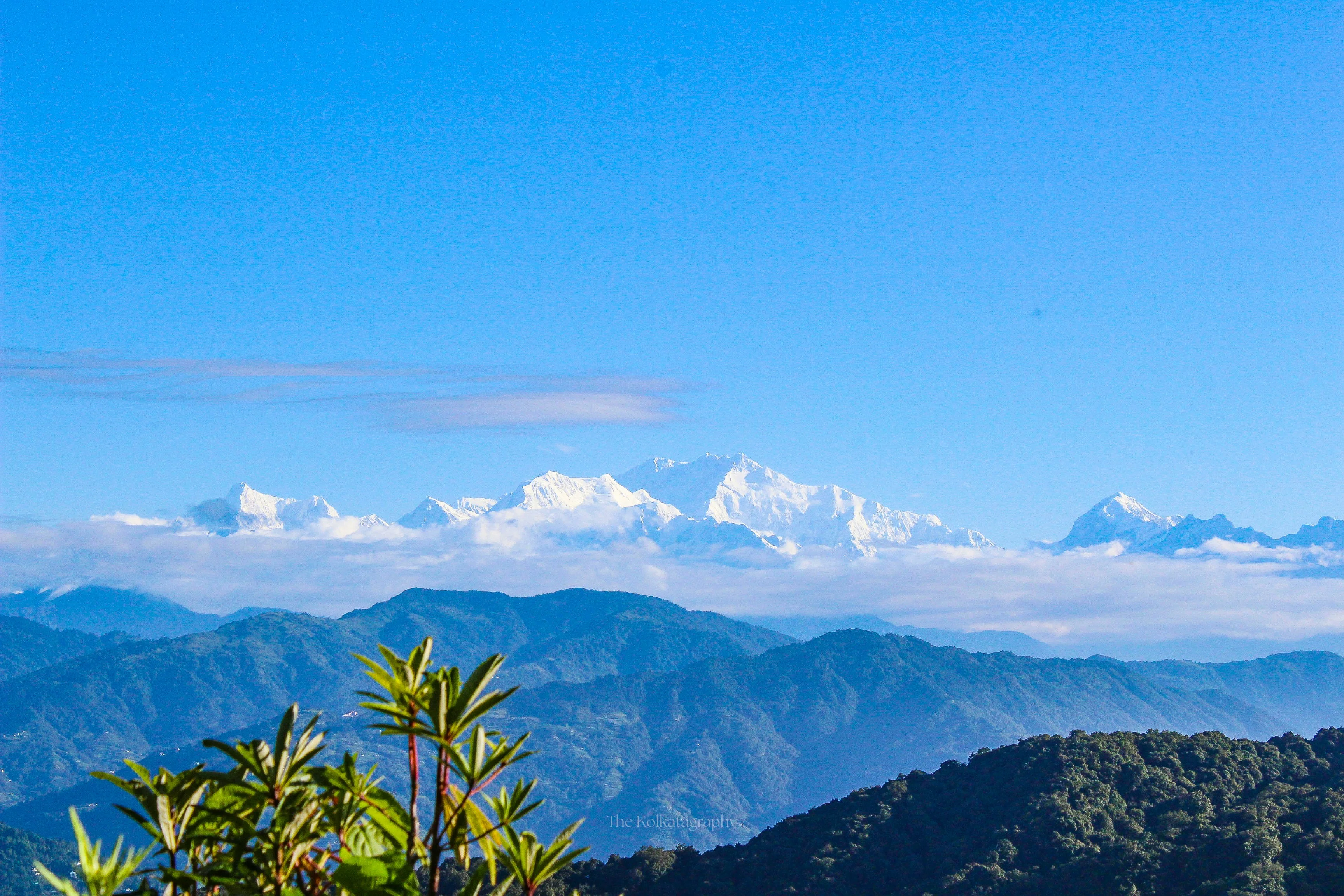
A serene lake nestled between the rocky mountains will certainly give any long hike a special appeal. One of Nepal’s prettiest alpine locations is Gosaikunda. Trekkers will have to go past green forests, alpine villages, and hill country on their way to Gosaikunda Lake before arriving at a pristine lake located high up in the Himalayan range. However, the journey comes with its own set of challenges, altitude being one of them.
What Height is Gosaikunda Lake?
Gosaikunda Lake is found at an approximate height of 4,380 meters (14,370 feet). This is among the most famous alpine lakes in Nepal. The lake is located in between the rocky hills and mountains of varying heights. People come here not only to trek but also for pilgrimage purposes.
There are also many religious aspects related to this lake, and that is why many people come here at the time of the Janai Purnima festival, which occurs in the month of August.
What is the highest point during the Gosaikunda Trek?
It depends on the trekking route. Those trekkers who do not cross the Lauribina La Pass reach a maximum height of about 4,380 meters. Trekkers who cross the Lauribina La Pass reach a height of about 4,610 meters or 15,125 feet.
From here, you will be able to see all the surroundings. The pass is quite difficult and rocky. In addition, the presence of snow and high wind makes it more challenging for the trekkers to cross it.
Length and Distance of the Gosaikunda Trek
The Gosaikunda Trek normally lasts from 5 to 8 days based on the type of trek that is chosen. The distance walked during the trek varies from 40 km to 75 km. The highest altitude where the main lake is located is 4,380 meters above sea level. The highest point along the trekking route is 4,610 meters above sea level and is called Lauribina La Pass.
How Does Altitude Impact Trekkers?
When trekking uphill, there is less oxygen present in the atmosphere. Thus, the body will be supplied with less oxygen in comparison with the amount received at lower altitudes.
The symptoms usually include headache, nausea, dizziness, loss of appetite, and unusual fatigue. Altitude sickness may affect even those who are in good physical condition.
In order to reduce risks, one needs to proceed steadily, drink a lot of water, and rest. It is necessary to take notice of altitude sickness, as the symptoms only get worse when ignored. One should not attempt to climb at all costs.
How to Get Ready for High Altitude Trekking
Being properly prepared will make your journey much more pleasant. Start training by walking or hiking a few weeks prior to the trekking. Hill walking and climbing stairs will help build up your strength and endurance.
Take warm clothing as the temperature will suddenly drop when you get into higher altitude. Hiking shoes, a raincoat, gloves, a hat and trekking poles are recommended.
Select an itinerary which provides sufficient time for climbing. Make sure not to run out of low villages to high altitudes very quickly.
Why Trek with Nepal Social Treks and Expedition?
Arranging a trek at high altitudes can be challenging, particularly for beginners. Nepal Social Treks and Expedition makes your adventure less troublesome with the help of guides, porters, permits, transport, and accommodation.
They also provide tailored itinerary planning, routes, packing advice, and guidance in altitude safety. Guides with experience will be able to guide you on the trails, local culture, and even in making safe decisions in case of sudden changes in weather.
Experience the Beauty of Gosaikunda Lake
Gosaikunda Lake Trek is not just a trekking trail to reach a mountain lake. It’s an adventure in nature, culture, and most importantly, the serenity of the Himalayan range. The high altitude of the location is its biggest challenge, but adequate physical condition and careful planning can help in making your trip easier and enjoyable.