Sign up with Google
 Sign in with Zoho

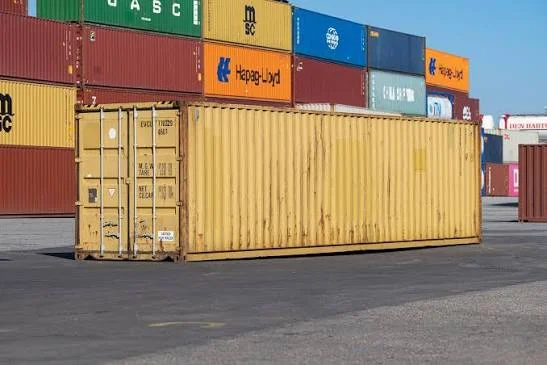
Supply chain professionals constantly seek ways to reduce costs, minimize delays, and improve overall operational performance. One often overlooked asset in this equation is the quality and condition of tank containers used to transport liquids, gases, and other bulk materials. These specialized vessels play a far more significant role in supply chain efficiency than many realize. When properly maintained and selected, quality tank containers can streamline operations from production facilities all the way through to final delivery points. Understanding how these containers contribute to efficiency helps businesses make informed decisions about their transportation infrastructure.
1. Reducing Product Loss and Contamination
Quality tank containers are engineered with multiple safety features and durable materials that prevent leaks, spills, and product degradation during transit. When a container has structural weaknesses, even small amounts of leaked product represent lost revenue and potential environmental liability. High-quality containers are built to withstand pressure variations, temperature fluctuations, and the physical stresses of transportation, meaning less product is lost during the supply chain journey. Companies that invest in premium containers experience fewer claims related to damaged or contaminated shipments, reducing administrative overhead and customer disputes. Maintaining product integrity from origin to destination eliminates costly rework and replacement orders that disrupt downstream operations.
2. Improving Loading and Unloading Speed
Tank containers designed with quality construction standards feature optimized access points, drain valves, and connection mechanisms that allow crews to load and unload materials faster and more safely. Well-designed containers reduce the time equipment like pumps and hoses must remain connected, which speeds up terminal operations and reduces bottlenecks at distribution centers. When containers have smooth, reliable fittings and secure locking systems, workers spend less time troubleshooting compatibility issues or dealing with accidents caused by poor connections. Faster loading and unloading cycles directly translate to quicker turnaround times for vehicles, allowing transport fleets to complete more shipments per week. This efficiency compounds across multiple shipments, producing substantial time savings that ripple through the entire supply chain network.
3. Minimizing Maintenance and Repair Downtime
Superior tank containers are constructed from materials and manufacturing processes that resist corrosion, wear, and structural degradation over their operational lifetime. Containers that require frequent repairs spend time out of service, reducing effective fleet capacity and forcing reliance on backup equipment or third-party rentals. Quality containers have longer intervals between maintenance cycles, meaning they spend more time actively transporting goods rather than sitting in repair facilities. Their durability also means fewer unexpected failures that could strand a shipment or delay critical deliveries. Companies that standardize on high-quality containers build more predictable maintenance schedules and avoid the cost surprises associated with emergency repairs.
4. Supporting Regulatory Compliance and Certification
Supply chain operations in industries such as chemicals, pharmaceuticals, and food processing operate under strict regulatory frameworks that mandate specific container standards for safety and product purity. Quality tank containers come with proper certifications and documentation demonstrating compliance with international standards and local regulations, eliminating delays caused by inspection failures or permit issues. When containers meet regulatory requirements, shipments pass through border crossings, ports, and customs checkpoints with minimal scrutiny and paperwork complications. Procurement teams sourcing containers for regulated industries rely on a reputable shipping container supplier to ensure that certifications, documentation, and compliance standards are verified before containers enter active rotation. Selecting containers that exceed baseline standards reduces the risk of violations that could result in fines, shipment confiscation, or operational shutdowns.
5. Enhancing Safety for Workers and Communities
Well-engineered tank containers incorporate safety features such as pressure relief valves, secure baffles, structural reinforcements, and compatibility certifications that protect workers during handling and transport operations. Safer containers reduce workplace injuries, which decreases workers' compensation claims, insurance premiums, and the loss of experienced personnel. Beyond worker safety, quality containers protect surrounding communities by minimizing the risk of hazardous material releases during transport, loading, or storage. Companies that prioritize container safety build stronger relationships with local communities and regulatory bodies, which can translate into smoother permitting and faster approvals for facility expansions. A strong safety record also enhances brand reputation and can be a meaningful factor when customers evaluate potential suppliers.
6. Enabling Flexible Multi-Product Compatibility
Premium tank containers are often engineered with specialized linings, coatings, and interior finishes that allow safe transportation of multiple product types without cross-contamination or residual odors. This versatility means a single container can move between different product lines and customer accounts, reducing the need for dedicated fleet capacity for each product type. Flexible container designs enable companies to maximize asset utilization, as containers spend less idle time waiting for specific product assignments and more time generating revenue through active shipments. For seasonal businesses or companies with fluctuating product demand, this adaptability provides the operational flexibility needed to scale transportation capacity without heavy capital investment.
7. Lowering Total Cost of Ownership
While quality tank containers typically command a higher initial purchase price than budget alternatives, the total cost of ownership over the container's useful life is substantially lower due to reduced maintenance, fewer replacement cycles, and improved efficiency. Lower repair costs, less downtime, and better fuel efficiency from properly maintained containers combine to reduce per-unit transportation costs across thousands of shipments. Companies that track lifecycle costs rather than focusing solely on upfront purchase price often find that premium containers deliver superior financial performance over five, ten, or more years of service. When companies calculate the full financial impact, quality tank containers represent a long-term investment that reduces operational friction and improves reliability.
8. Supporting Sustainability and Environmental Goals
Modern quality tank containers are increasingly manufactured with environmental considerations, including materials that support recycling, coatings that minimize environmental impact during cleaning, and designs that optimize fuel efficiency during transport. Companies working toward sustainability targets can leverage quality containers as part of a broader strategy to reduce waste, lower carbon emissions, and minimize environmental liability. Containers that prevent leaks and spills directly support environmental protection by keeping hazardous or valuable materials out of soil and waterways. Many customers and regulatory bodies now prioritize suppliers that demonstrate environmental responsibility, making container quality a factor in maintaining business relationships and market access.
Conclusion
Quality tank containers represent far more than simple transportation vessels. They are essential infrastructure components that influence efficiency, safety, compliance, and cost management throughout the supply chain. Companies that recognize the strategic importance of container quality experience tangible benefits including faster operations, lower total costs, improved safety records, and reduced environmental risk. The eight factors discussed here demonstrate that quality tank containers create value at multiple points within supply chain operations. As businesses continue to compete on efficiency and reliability, prioritizing container quality and maintenance becomes an increasingly significant advantage that strengthens overall supply chain performance.