 Sign up with Google
 Sign in with Zoho

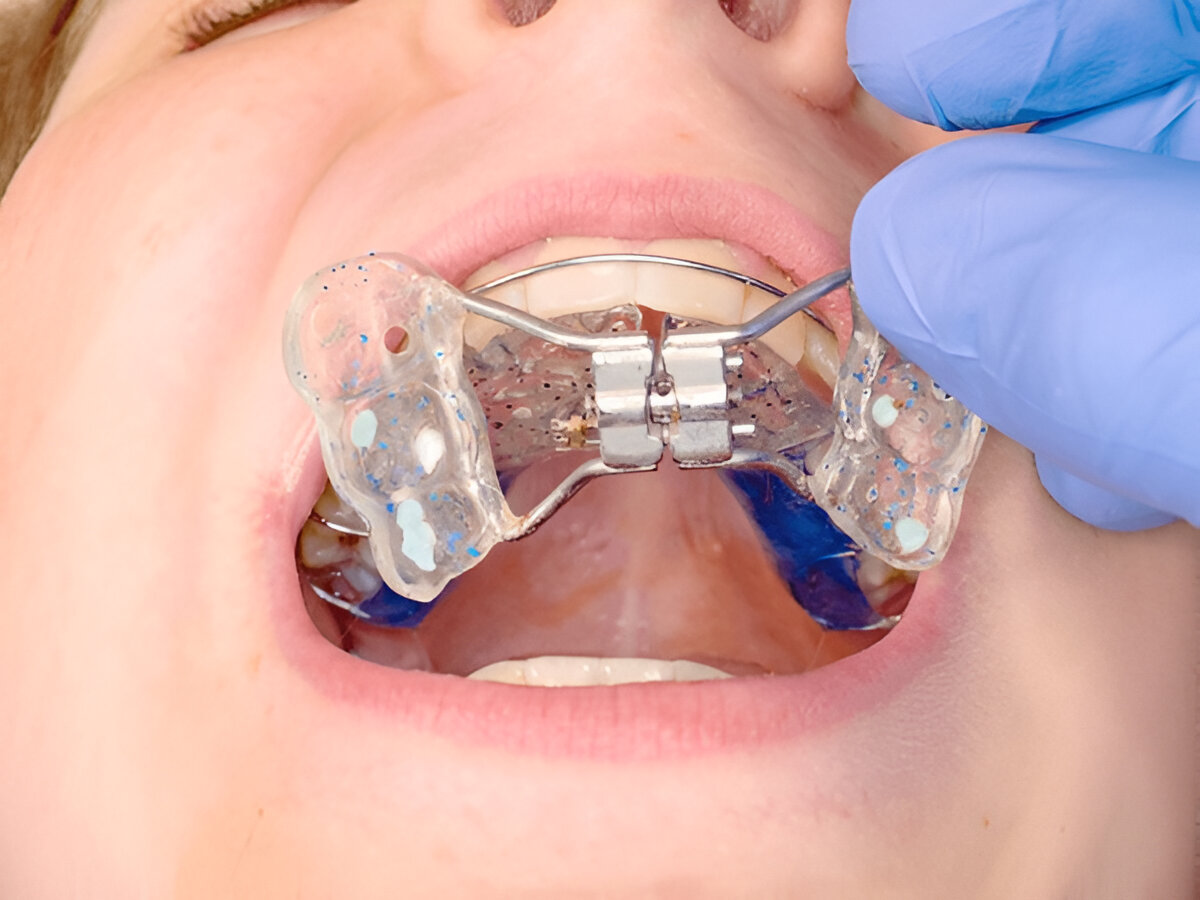
Getting a palate expander is a big step in orthodontic treatment, and one of the first things people notice is how much it changes everyday eating. Meals can feel awkward at first, but with a few simple adjustments, most people settle into a routine pretty quickly.
If you’re new to wearing an expander, here’s what to expect—and how to make eating easier from day one.
Why Eating Feels Different at First
A palate expander sits on the roof of your mouth, which affects how your tongue moves and how food is handled while chewing. In the beginning, you might deal with:
- Food collecting around the appliance
- A slight lisp when talking or chewing
- Extra saliva
- Mild pressure when biting down
These changes are temporary, but they can make meals frustrating if you’re not prepared.
Start with Foods That Work With You, Not Against You
For the first few days, stick with foods that don’t require much effort to chew or break down.
Good options include:
- Oatmeal or soft cereals
- Scrambled eggs
- Mashed potatoes
- Yogurt and smoothies
- Soup (not too hot)
Once things feel more normal, you can slowly add foods like pasta, rice, and soft-cooked vegetables back into your meals.
What to Skip (At Least for Now)
Some foods make the adjustment period harder than it needs to be.
Try to avoid:
- Sticky foods like caramel or gum
- Crunchy snacks like chips and popcorn
- Hard foods like nuts or raw vegetables
- Chewy bread (bagels, tough rolls)
These can get stuck easily or put unnecessary pressure on the expander.
Simple Habits That Make a Big Difference
A few small changes in how you eat can save you a lot of hassle:
Cut food into smaller pieces This reduces the amount of chewing needed and helps you stay comfortable.
Slow things down Rushing through meals increases the chances of irritation or food getting trapped.
Rinse your mouth after eating Even a quick rinse with water can help clear out debris from the appliance.
Keep water nearby Sipping water while eating helps move food along and keeps things from sticking.
Keeping Your Expander Clean After Meals
Food buildup is common, especially in the early days. Brushing carefully around the expander after eating is important. Many people also find a water flosser helpful for reaching spots a toothbrush can’t.
Good hygiene not only keeps things clean—it also prevents bad breath and irritation.
When Things Start to Feel Normal
Most people adjust within a week. Eating becomes easier, your tongue adapts, and you won’t have to think about every bite. The key is getting through those first few days with the right approach.
If you’re looking for a more detailed breakdown of what to expect and how to manage meals during treatment, this guide from Mellion Orthodontics is worth checking out: How to Eat with a Palate Expander
Final Takeaway
Wearing a palate expander changes how you eat—but only temporarily. With the right food choices and a few practical habits, you can stay comfortable and avoid unnecessary frustration.
Stick with it, make small adjustments, and before long, eating will feel normal again.