Sign up with Google
 Sign in with Zoho

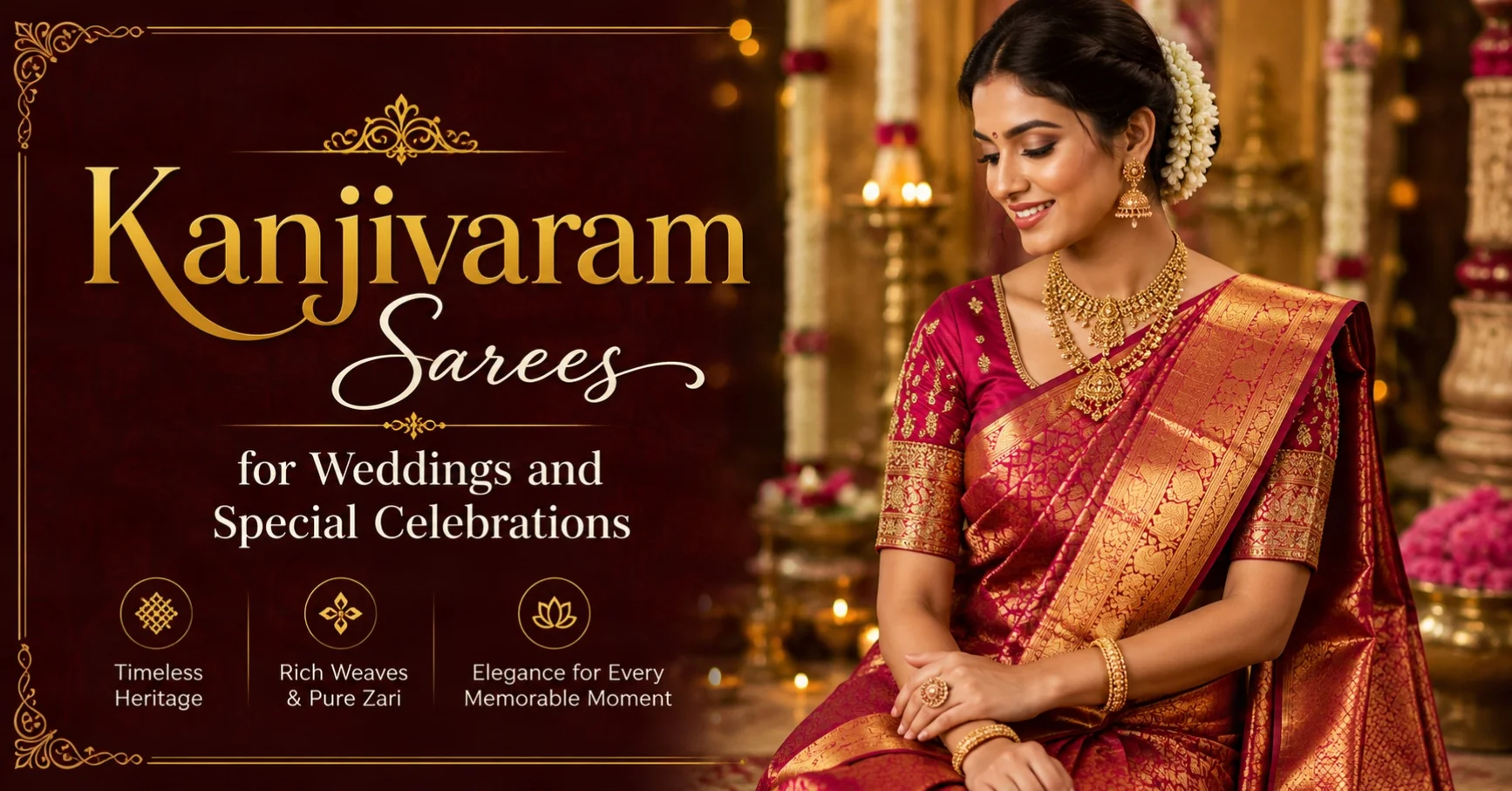
When planning a wedding or a grand celebration, the choice of attire can set the tone for the entire event. The rich heritage and timeless elegance of traditional kanjivaram sarees make them a favorite for brides and dignitaries alike. Their vibrant dyes and intricate hand‑woven patterns carry stories of generations, and each drape becomes a living piece of art that complements the joyous atmosphere of a wedding or an auspicious occasion. By understanding the nuances of these sarees, you can select a design that not only looks stunning but also feels deeply connected to cultural roots.
The Legacy Behind Kanjivaram Sarees
Originating from the town of Kanchipuram in Tamil Nadu, Kanjivaram sarees have been woven for centuries by master artisans who passed their skills through family lineages. The term “Kanjivaram” itself denotes the village where the first silk looms were set up, and the sarees were originally made from pure mulberry silk. Over time, the craft evolved to incorporate golden zari work, fine brocade, and vibrant colors that now define the modern Kanjivaram aesthetic. This rich history gives each saree a sense of continuity, making it an ideal choice for life‑changing celebrations.
Fabric and Texture: Silk, Cotton, and Beyond
While silk remains the most celebrated fabric for Kanjivaram sarees, the market now offers cotton, chiffon, and even blended variants. Silk sarees exude a natural sheen that catches light, enhancing the bride’s glow on the dance floor. Cotton versions are lighter and ideal for summer weddings, providing breathability without sacrificing the traditional feel. If you’re looking for a more contemporary twist, chiffon Kanjivaram sarees offer a delicate drape that blends heritage with modern aesthetics.
Color Palette: From Classic Red to Bold Pastels
Red has long been the color of choice for brides, symbolizing prosperity and auspiciousness. However, the spectrum of Kanjivaram sarees now ranges from deep indigo and emerald to soft pastels and even monochrome. Each hue carries its own cultural significance; for instance, green is associated with fertility, while gold adds a regal touch to any celebratory outfit. When selecting a color, consider the venue’s décor and the theme of the celebration to ensure a harmonious visual experience.
Patterns and Motifs: Traditional Themes and Contemporary Designs
Classic motifs such as peacocks, elephants, and mandalas are woven into the borders and pallu of many Kanjivaram sarees. These motifs often carry symbolic meanings—peacocks for beauty, elephants for strength, and mandalas for unity. Modern designers have introduced abstract patterns and minimalist borders, allowing the saree to blend seamlessly with contemporary wedding themes. Whether you prefer the timeless charm of traditional motifs or a sleek, modern look, there’s a Kanjivaram saree that fits every taste.
Choosing the Right Draping Style
The traditional drape of a Kanjivaram saree involves a wide pallu that is draped over the shoulder and tucked at the waist, creating a graceful silhouette. For weddings, many brides opt for the “Nivi” style, where the pallu is draped to the left and the tail is tucked at the back, adding an elegant twist. If you’re attending a multi‑ceremony wedding, consider a “Panche” drape, which is more manageable for dancing and moving between events. A skilled tailor can help you adapt the drape to your body shape and comfort level.
Accessorizing: Jewelry, Footwear, and Makeup
A Kanjivaram saree’s beauty is amplified by thoughtful accessories. Traditional gold jewelry—such as a temple necklace, jhumkas, and bangles—complements the saree’s silver or gold zari work. For footwear, sleek juttis or embellished sandals are ideal, as they maintain the flow of the drape while adding a touch of glamour. Makeup should enhance natural features rather than overpower the saree; a fresh dewy look with a pop of color on the lips can beautifully balance the richness of the silk.
Maintenance Tips for Longevity
Preserving the allure of a Kanjivaram saree requires careful handling. After each use, gently brush off dust with a soft brush and store the saree in a cool, dry place away from direct sunlight. To remove stains, use a mild detergent and avoid harsh chemicals that could damage the silk. For professional cleaning, choose a reputable tailor who specializes in traditional fabrics. Regular maintenance will keep the saree looking as vibrant on your wedding day as it did when it was first woven.
Gift Ideas: A Symbol of Love and Tradition
Giving a Kanjivaram saree as a wedding gift carries a powerful message of love and cultural pride. Many families choose a sari in a color that matches the bride’s wedding attire, creating a sense of unity and shared tradition. For a more personalized touch, consider adding a custom brocade or a unique border design that reflects the recipient’s personality. A beautifully packaged Kanjivaram saree makes a lasting impression and becomes a cherished heirloom for future generations.
Planning Your Kanjivaram Saree Timeline
Because these sarees are hand‑woven, they may take several weeks to produce, especially if you’re ordering a custom design. It’s advisable to place your order at least three to four months before the wedding date. This timeline allows for design approvals, tailoring adjustments, and any unforeseen delays, ensuring you receive the saree well before the big day. By planning ahead, you can also schedule fittings and make any necessary alterations without rushing.
Choosing a Reputable Tailor
While the saree itself is a masterpiece, the final look depends heavily on the tailor’s skill. Look for a tailor who has experience with Kanjivaram fabrics and can offer a range of draping styles. A good tailor will also provide guidance on how to care for the saree during the wedding season, ensuring it remains wrinkle‑free and flawless throughout the celebrations. Don’t hesitate to ask for references or view previous work to verify their expertise.
Incorporating Kanjivaram Sarees into Wedding Themes
Whether your wedding is a traditional South Indian ceremony or a fusion event, Kanjivaram sarees can be seamlessly integrated. For a classic theme, pair the saree with ornate gold jewelry and a simple, elegant backdrop. In a contemporary setting, choose a pastel Kanjivaram with minimalist jewelry and sleek décor to create a fresh, modern vibe. The versatility of these sarees allows them to complement any wedding narrative while preserving cultural authenticity.
Embracing the Emotional Connection
Beyond the visual allure, wearing a Kanjivaram saree on your wedding day connects you to a lineage of artisans and cultural stories. Each thread carries the dedication of the weavers, and each pattern reflects a piece of history. By adorning yourself in this heritage garment, you honor the past while celebrating the future, creating a moment that is both personal and profoundly symbolic.
Conclusion: A Celebration of Tradition and Style
For those seeking a saree that embodies tradition, elegance, and cultural depth, korvai kanjivaram sarees offer an exquisite blend of classic artistry and contemporary flair. Whether you’re planning a wedding, a religious ceremony, or a special celebration, these sarees provide a timeless foundation that enhances every moment. By choosing a Kanjivaram saree, you not only elevate your own style but also preserve a living legacy that will inspire generations to come.