Sign up with Google
 Sign in with Zoho


Retrofitting has become an essential solution in today’s rapidly evolving construction landscape, especially in a country like India where aging infrastructure is widespread. Buildings constructed decades ago often fail to meet current safety standards, making them vulnerable to structural damage. Retrofitting addresses these concerns by strengthening existing structures without complete reconstruction, ensuring durability, safety, and compliance with modern engineering practices while maintaining cost efficiency.
Understanding Structural Retrofitting
Structural retrofitting refers to the process of modifying existing buildings to enhance their strength, stability, and performance under stress conditions such as earthquakes or heavy loads. This approach is particularly useful in urban areas where demolition and reconstruction are impractical. By incorporating advanced engineering techniques, retrofitting ensures that structures can withstand environmental challenges while extending their operational lifespan significantly.
Importance of Retrofitting in India
India faces unique challenges due to its diverse geography and increasing urbanization. Many buildings were constructed without considering seismic safety or modern design standards. Retrofitting plays a crucial role in minimizing risks associated with natural disasters and structural degradation. It also helps property owners comply with updated regulations, making it a necessary investment for both residential and commercial structures across the country.
Key Benefits of Structural Retrofitting
One of the major advantages of structural retrofitting is cost-effectiveness compared to rebuilding. It also minimizes disruption to occupants and preserves architectural value. Retrofitting enhances load-bearing capacity, improves seismic resistance, and increases overall safety. Additionally, it contributes to sustainability by reducing construction waste, making it an environmentally responsible solution for strengthening existing buildings.
Common Signs That a Building Needs Retrofitting
Buildings often show visible signs indicating the need for retrofitting. Cracks in walls, corrosion in reinforcement, uneven settlement, and water leakage are common indicators of structural weakness. Older buildings lacking proper design standards are also at risk. Identifying these issues early allows timely intervention, preventing further damage and ensuring the safety of occupants and assets.
Techniques Used in Structural Retrofitting
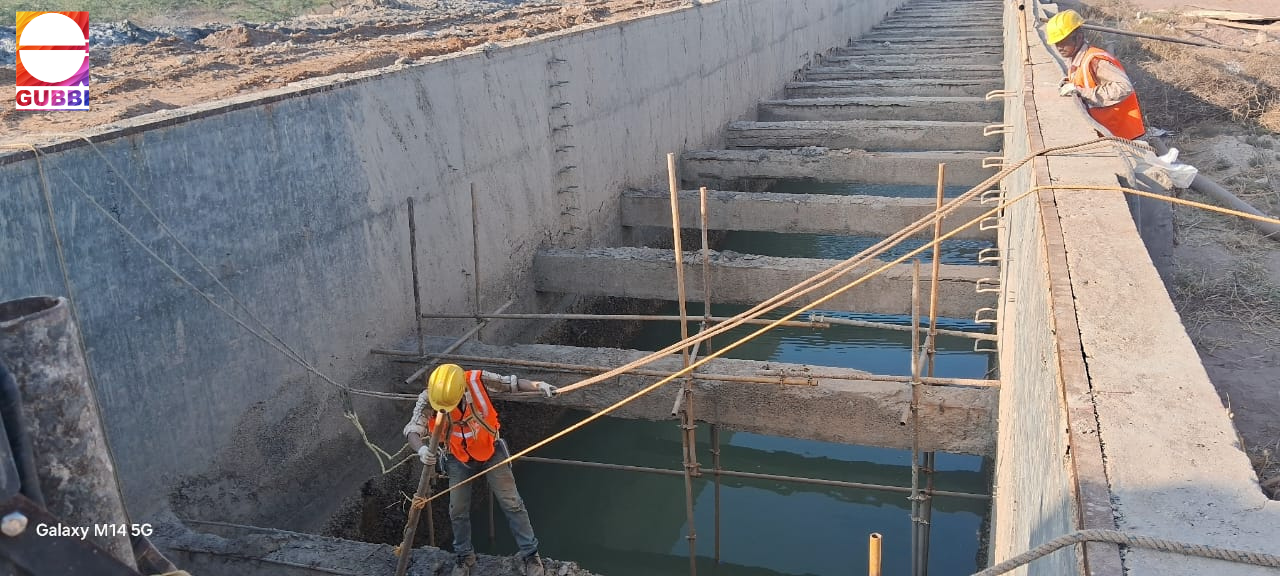
Various techniques are used depending on the building’s condition and requirements. Jacketing of columns and beams, fiber-reinforced polymer wrapping, steel plate bonding, and foundation strengthening are widely adopted methods. Each technique is carefully selected based on structural analysis, ensuring optimal performance. These methods help improve strength, ductility, and durability without significantly altering the original structure.
Seismic Retrofitting for Earthquake Resistance
Seismic retrofitting is particularly important in earthquake-prone regions of India. It involves strengthening structures to withstand seismic forces by improving their flexibility and energy absorption capacity. Techniques such as base isolation, bracing systems, and shear wall additions are commonly used. These measures significantly reduce the risk of collapse during earthquakes, safeguarding lives and property.
Role of Technology in Modern Retrofitting
Advancements in technology have transformed the field of structural retrofitting. Modern tools like structural health monitoring systems, 3D modeling, and non-destructive testing enable accurate assessment of building conditions. These technologies help engineers design precise retrofitting solutions, ensuring efficiency and reliability. As a result, retrofitting projects are now more effective and less intrusive than traditional methods.
Industrial and Commercial Retrofitting Needs
Industrial and commercial buildings often require retrofitting due to heavy usage and evolving operational requirements. Warehouses, factories, and office spaces must support increased loads and updated machinery. Retrofitting ensures these structures remain functional and safe. It also helps businesses avoid downtime and maintain productivity while upgrading infrastructure to meet current demands.
Residential Retrofitting for Safety and Comfort
Residential buildings also benefit significantly from retrofitting. Homeowners can improve structural safety, enhance living conditions, and increase property value through retrofitting. Upgrading older homes ensures they meet modern safety standards while preserving their original design. This approach is particularly valuable in densely populated cities where rebuilding is not always feasible.
Retrofitting vs Reconstruction
Choosing between retrofitting and reconstruction depends on several factors, including cost, time, and structural condition. Retrofitting is generally more economical and quicker, making it a preferred choice for many property owners. It allows buildings to be upgraded without complete demolition, reducing environmental impact and preserving existing investments while achieving improved safety and performance.
Challenges in Retrofitting Projects
Despite its advantages, retrofitting comes with certain challenges. Accurate assessment of structural conditions can be complex, requiring skilled professionals and advanced tools. Limited access to certain parts of a building may also pose difficulties. Additionally, ensuring minimal disruption during the process requires careful planning and execution, making expertise a critical factor in successful retrofitting projects.
Government Regulations and Compliance
In India, building codes and safety regulations are continuously evolving to address structural risks. Retrofitting helps buildings comply with these updated standards, particularly in seismic zones. Adhering to government guidelines not only ensures safety but also avoids legal complications. Property owners must work with qualified professionals to ensure all retrofitting measures meet regulatory requirements.
Sustainable Construction Through Retrofitting
Sustainability is a growing concern in the construction industry, and retrofitting offers an eco-friendly solution. By strengthening existing structures instead of demolishing them, retrofitting reduces material consumption and waste generation. It also lowers carbon emissions associated with new construction, making it a responsible choice for environmentally conscious development.
Cost Factors in Structural Retrofitting
The cost of retrofitting varies based on factors such as building size, condition, and chosen techniques. While initial expenses may seem significant, the long-term benefits outweigh the costs. Improved safety, reduced maintenance, and extended lifespan make retrofitting a valuable investment. Proper planning and expert consultation help optimize costs while achieving desired results.
Choosing the Right Retrofitting Service Provider
Selecting a reliable service provider is crucial for the success of any retrofitting project. Experience, technical expertise, and a proven track record are key factors to consider. A professional team ensures accurate assessment, effective solutions, and high-quality execution. Working with skilled engineers, such as Gubbi Civil Engineers Limited, guarantees that the retrofitting process meets safety standards and delivers long-lasting, dependable results for all types of structures.
Role of Engineering Expertise in Retrofitting
Engineering expertise plays a vital role in determining the effectiveness of retrofitting solutions. Structural engineers analyze building conditions, identify weaknesses, and design appropriate strengthening measures. Their knowledge ensures that retrofitting enhances both safety and performance. Collaboration between engineers, architects, and contractors is essential for achieving optimal outcomes in retrofitting projects.
Future of Structural Retrofitting in India
The demand for structural retrofitting services in India is expected to grow significantly in the coming years. Rapid urbanization, aging infrastructure, and increasing awareness about safety are driving this trend. Technological advancements and innovative materials will further improve retrofitting techniques, making them more efficient and accessible for a wide range of applications.
When to Consider Retrofitting Instead of Ignoring Damage
Ignoring structural issues can lead to severe consequences, including partial or complete building failure. Retrofitting should be considered as soon as signs of damage appear. Early intervention prevents further deterioration and reduces repair costs. It also ensures the safety of occupants, making it a proactive approach to maintaining structural integrity.
How Retrofitting Enhances Property Value
Retrofitting not only improves safety but also increases property value. Buildings with enhanced structural strength and modern safety features are more attractive to buyers and tenants. This makes retrofitting a strategic investment for property owners looking to maximize returns while ensuring long-term reliability and performance of their assets.
Retrofitting is a powerful solution for addressing the challenges of aging infrastructure in India. It offers a cost-effective, sustainable, and efficient way to enhance structural safety and performance. By adopting advanced techniques and working with experienced professionals, property owners can ensure their buildings remain resilient and compliant with modern standards.