 Sign up with Google
 Sign in with Zoho


Your car is one of your most valuable assets. It gets you to work, takes your family on road trips, and handles the demands of daily life. So when something goes wrong, the last thing you want is to hand it over to someone who overcharges, underdelivers, or worse — makes the problem bigger than it was.
Finding a trustworthy mechanic is one of the most important decisions a car owner can make. Yet most people have no idea where to start. They pick the nearest shop, cross their fingers, and hope for the best. This guide will help you do better than that.
1. Start With Research Before You Need One
The worst time to look for a mechanic is when your car is already broken down and you're under pressure. Instead, do your research before an emergency strikes.
Start by asking people you trust — friends, family, coworkers, neighbors. Personal recommendations carry more weight than any online review because the person has firsthand experience. Ask specifically: Would you go back to them? Did they explain the problem clearly? Were there any surprises on the bill?
Once you have a few names, look them up online. Check Google Reviews, Yelp, and automotive forums. Look for consistent patterns — not just the star rating. A shop with 4.7 stars and 200 reviews is far more reliable than one with 5 stars and 3 reviews.
2. Look for Certifications and Credentials
A trustworthy mechanic doesn't just have experience — they have verifiable qualifications. In the United States, the gold standard is ASE certification (Automotive Service Excellence). ASE-certified technicians have passed rigorous exams in specific areas like engine repair, brakes, electrical systems, and more.
Look for the ASE logo displayed in the shop. You can also verify a technician's certification directly on the ASE website. Shops that employ ASE-certified mechanics are generally more committed to professionalism and up-to-date knowledge.
Additionally, check if the shop is affiliated with recognized organizations like AAA-approved repair facilities or the Better Business Bureau (BBB). These affiliations aren't guarantees, but they do indicate a baseline of accountability.
3. Visit the Shop Before Committing
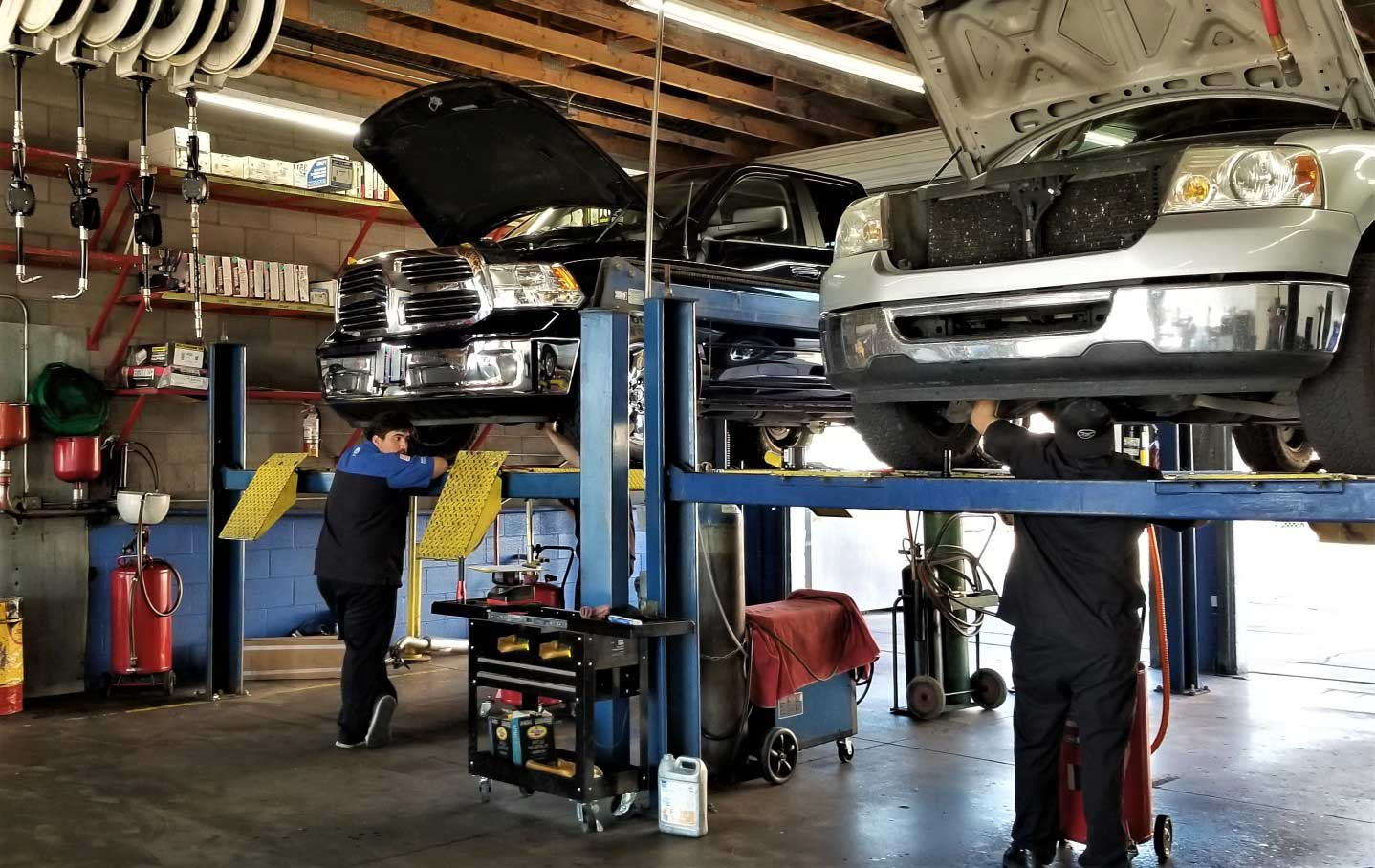
Before you bring your car in for a repair, visit the shop in person. A lot can be learned from a simple visit:
- Is the shop clean and organized? A chaotic, dirty workspace often reflects how work gets done.
- Are the staff professional and communicative? Do they greet you, make eye contact, and answer questions patiently?
- Is the equipment modern? Outdated tools can mean incomplete diagnostics.
- Are other customers present? A busy shop during business hours is usually a good sign of trust in the community.
Trust your instincts. If something feels off during a visit, it probably is.
4. Ask the Right Questions
A good mechanic welcomes questions — they don't dodge them. When discussing a repair, always ask:
- Can you explain the problem in plain language? You shouldn't need an engineering degree to understand what's wrong with your car.
- Can I see the damaged part? Reputable mechanics will show you worn or broken components before replacing them.
- Will you provide a written estimate? Never agree to repairs without a written quote that details parts and labor separately.
- Do you use OEM or aftermarket parts? Understanding what goes into your vehicle matters for both quality and warranty purposes.
- What warranty do you offer on repairs? Most trustworthy shops offer at least a 12-month or 12,000-mile warranty on parts and labor.
If a mechanic pressures you to approve repairs immediately without explanation, that's a red flag.
5. Watch Out for These Warning Signs
Even with research, some shops use tactics that should make you walk away:
- Vague estimates with no itemized breakdown
- Pressure to approve additional "urgent" repairs on the spot
- Reluctance to show you the old parts after replacement
- No written documentation of what was done
- Dismissive attitude toward your questions
A mechanic who respects you as a customer will never rush you into a decision or make you feel uninformed.
6. Build a Long-Term Relationship
Once you find a mechanic you trust, stick with them. A mechanic who knows your vehicle's history can spot developing issues early, give more accurate estimates, and prioritize your long-term safety over short-term profit.
Loyalty goes both ways — a mechanic who sees you as a repeat customer is more likely to go the extra mile, be honest about what's urgent versus what can wait, and treat your vehicle with genuine care.
Final Thoughts
Finding a trustworthy mechanic takes a little time and effort upfront, but it pays dividends for years. Do your research, ask questions, verify credentials, and trust your instincts. Your car — and your wallet — will thank you.
A good mechanic isn't just someone who fixes cars. They're someone who keeps you safe on the road.