Sign up with Google
 Sign in with Zoho

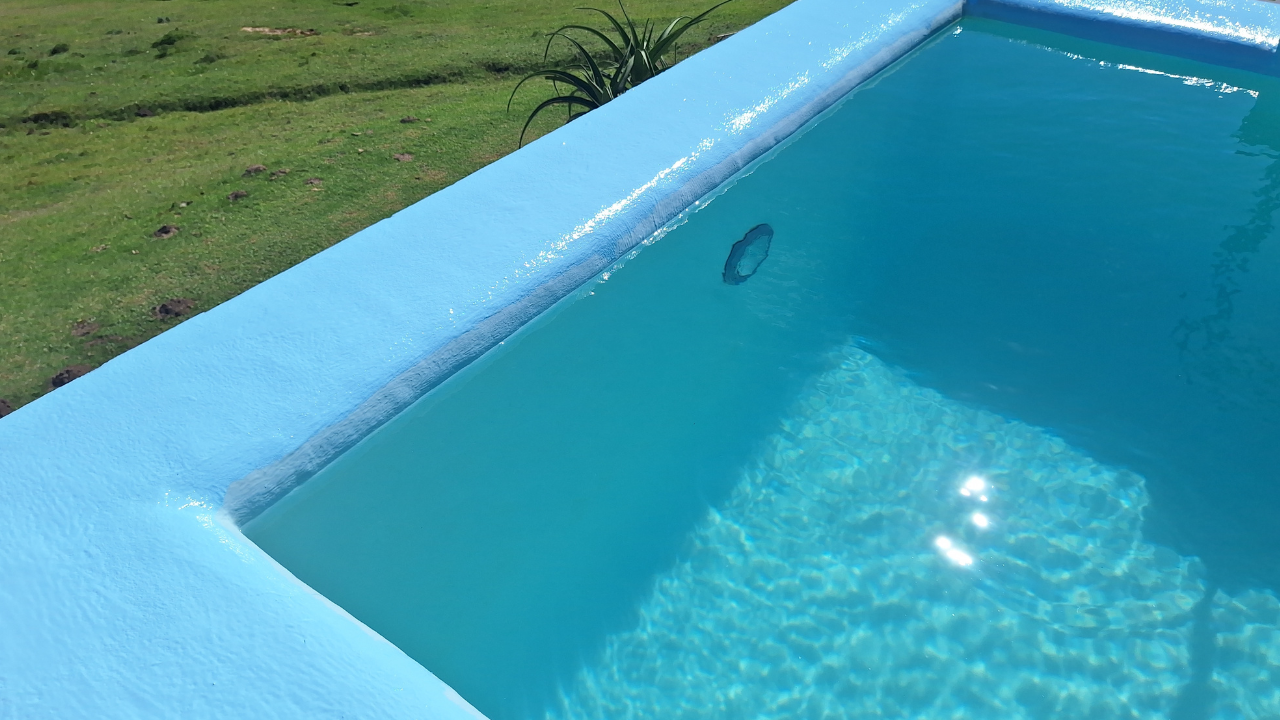
A swimming pool is often seen as a place to relax, unwind, and enjoy quality time. But when small maintenance issues arise like a pool valve that won’t turn properly it can quickly disrupt that sense of ease. While it may seem like a minor inconvenience, a stuck or difficult-to-turn valve can affect water flow, filtration, and overall pool performance.
Understanding why this happens and how to address it can help you maintain a smooth and stress-free pool experience. This guide explores common reasons behind the issue and offers practical, easy-to-follow solutions.
Understanding the Role of Pool Valves
Before diving into the problem, it helps to understand what pool valves do. In simple terms, they act like traffic controllers for your pool’s water. They direct water to different parts of the system such as the filter, heater, or cleaning equipment—ensuring everything runs efficiently.
When pool valves function properly, they allow you to switch between settings with minimal effort. However, when they become stiff or stuck, it can limit your ability to manage water flow and maintain balance in your pool system.
Common Reasons Why a Pool Valve Won’t Turn
There are several reasons why your pool valve might not be turning as it should. Identifying the root cause is the first step toward fixing the issue.
1. Dirt and Debris Buildup
Over time, dirt, sand, and small debris can accumulate inside the valve. This buildup creates friction, making it harder to turn the handle.
Think of it like a door hinge that hasn’t been cleaned in years—it gradually becomes harder to move. Similarly, debris inside the valve can block smooth movement.
2. Lack of Lubrication
Pool valves rely on internal seals and O-rings to function properly. These components need lubrication to move smoothly. When they dry out, the valve can become stiff or even completely stuck.
Without proper lubrication, turning the valve may feel forced or uneven.
3. Worn-Out Internal Parts
Like any mechanical component, pool valves experience wear and tear over time. Internal parts such as O-rings, gaskets, or seals can degrade, causing resistance when turning.
This is especially common in pools that are used frequently or exposed to varying weather conditions.
4. Chemical Exposure
Pool water contains chemicals that help maintain cleanliness and clarity. However, prolonged exposure to these chemicals can affect the materials inside the valve.
Over time, this exposure may cause parts to harden, swell, or deteriorate, making the valve difficult to operate.
5. Over-Tightening or Improper Handling
Sometimes, the issue isn’t internal at all. Applying too much force while turning the valve can damage its components or cause it to jam.
Pool valves are designed to be turned gently. Forcing them can lead to misalignment or internal damage.
6. Temperature Changes
Extreme heat or cold can impact the materials used in pool equipment. In hot conditions, parts may expand slightly, while cooler temperatures can cause contraction.
These changes may seem minor but can affect how easily a valve turns.
Signs Your Pool Valve Needs Attention
It’s helpful to recognize early warning signs before the problem becomes more serious. Some common indicators include:
- The handle feels stiff or difficult to move
- The valve makes unusual noises when turning
- Water flow doesn’t change as expected
- The handle gets stuck midway
Addressing these signs early can prevent further complications and help maintain a smooth pool routine.
Simple Steps to Fix a Stuck Pool Valve
If your pool valve isn’t turning properly, there are a few practical steps you can take to resolve the issue.
Turn Off the Pool System
Always start by turning off the pump and any connected equipment. This ensures safety and prevents pressure buildup while you work on the valve.
Clean the Valve
If debris is the issue, cleaning can make a big difference. Carefully open the valve (if accessible) and remove any dirt or buildup.
Rinse with clean water and ensure all parts are free from obstruction.
Apply Lubrication
Use a pool-safe lubricant on the O-rings and seals. This helps restore smooth movement and reduces friction.
Avoid using general-purpose oils, as they may not be suitable for pool components.
Inspect for Damage
Check for worn or damaged parts. If you notice cracks, tears, or deformation, replacing those components may be necessary.
In some cases, replacing the entire valve may be more practical than repairing individual parts.
Reassemble and Test
Once everything is cleaned and lubricated, reassemble the valve and turn the system back on. Test the valve to ensure it moves smoothly and controls water flow correctly.
Preventive Maintenance Tips
Preventing valve issues is often easier than fixing them. A few simple habits can help keep your pool system running smoothly.
Regular Cleaning
Make it a routine to clean your pool equipment, including valves. This helps prevent debris buildup and ensures consistent performance.
Periodic Lubrication
Applying lubricant occasionally can keep internal parts functioning properly. This small step can significantly extend the life of your valve.
Gentle Handling
Always turn valves slowly and avoid forcing them. If resistance is felt, stop and investigate rather than applying more pressure.
Monitor Pool Chemistry
Balanced water chemistry not only keeps your pool comfortable but also protects its components. Proper chemical levels can reduce wear on valves and other equipment.
When to Consider Replacement
Sometimes, a valve may be too worn or damaged to repair effectively. If you’ve tried cleaning, lubricating, and inspecting without improvement, replacement might be the best option.
Upgrading to a new valve can restore ease of use and improve overall system efficiency.
The Connection Between Valves and Overall Pool Comfort
While a pool valve might seem like a small component, it plays a big role in maintaining a relaxing pool environment. Proper water circulation supports cleanliness, clarity, and comfort.
Issues with valves can also impact other equipment, including filtration systems and even certain pool cleaner parts, making it harder to maintain a consistent and enjoyable pool experience.
By keeping your valves in good condition, you’re supporting the entire system—and making pool care simpler and more manageable.
Conclusion
A pool valve that won’t turn properly can be frustrating, but it’s usually a manageable issue with the right approach. Whether the cause is dirt buildup, lack of lubrication, or worn-out parts, understanding the problem helps you take effective action.
Regular maintenance, gentle handling, and timely inspections can go a long way in preventing these issues. By staying proactive, you can ensure your pool system operates smoothly, allowing you to focus on relaxation rather than repairs.
In the end, maintaining your pool isn’t just about functionality—it’s about creating a space where comfort and ease come naturally.