Sign up with Google
 Sign in with Zoho

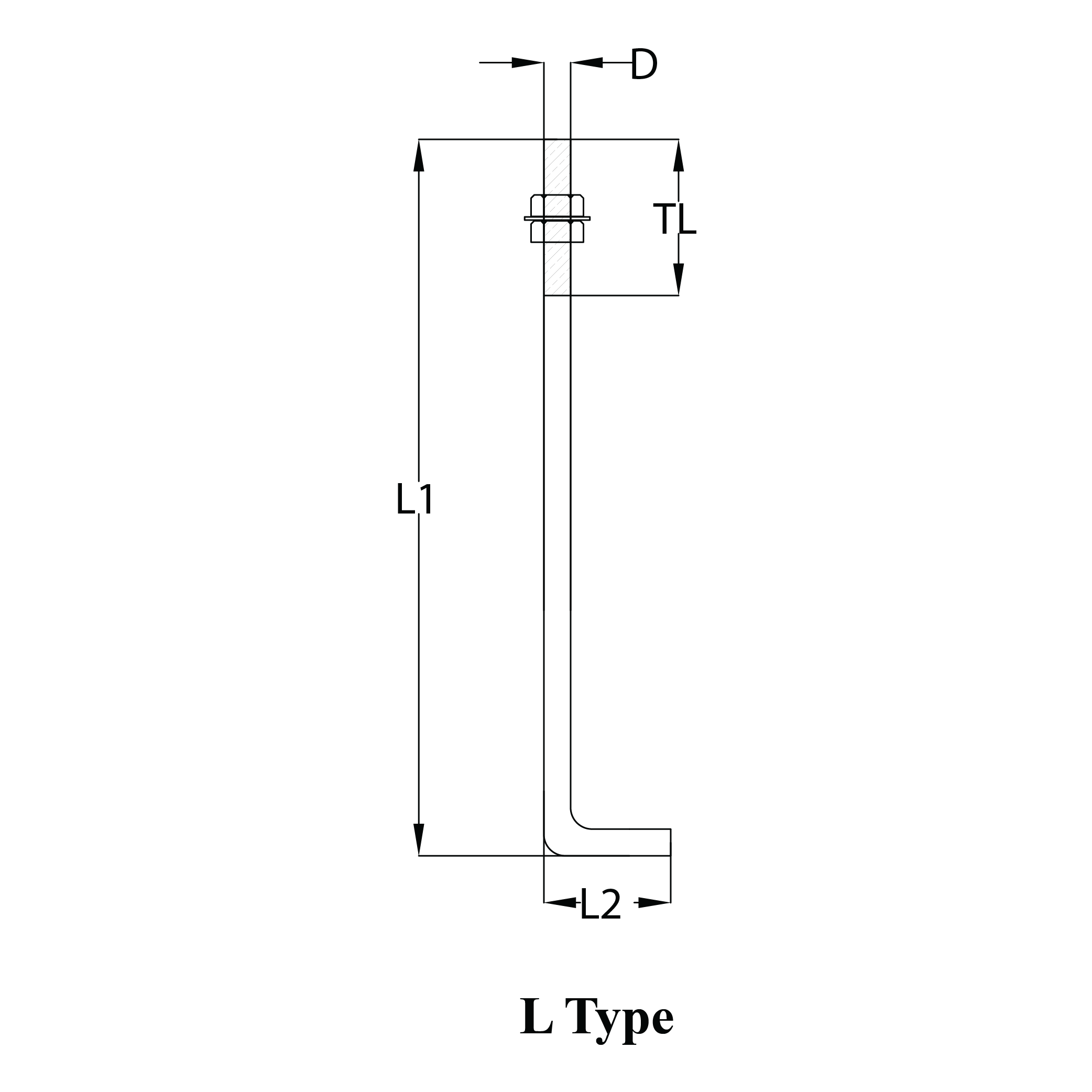
When it comes to construction and industrial engineering, precision is everything. One of the most critical components in structural stability is the foundation bolt. These bolts anchor heavy machinery, steel structures, and equipment to concrete foundations, ensuring durability and safety. However, before procurement or installation, calculating the exact weight of foundation bolts becomes essential. This is where a Foundation Bolt Weight Calculator plays a vital role.
At E S HAJI & CO., we understand the importance of accuracy in engineering components, and this guide will walk you through everything you need to know about calculating foundation bolt weight effectively.
What is a Foundation Bolt?
Foundation bolts (also known as anchor bolts) are long, heavy-duty fasteners embedded in concrete to secure structural elements. They are widely used in industries such as construction, power plants, infrastructure, and heavy machinery installation.
These bolts come in various shapes and types, including:
- L-type foundation bolts
- J-type foundation bolts
- U-type bolts
- Straight anchor bolts with plates
Each type varies in geometry, which directly affects its weight.
Why is Bolt Weight Calculation Important?
Calculating the weight of foundation bolts is not just a theoretical exercise—it has practical implications across multiple stages of a project:
1. Cost Estimation
Steel is priced per kilogram, so knowing the exact weight helps in accurate budgeting and procurement planning.
2. Transportation Planning
Heavy bolts require logistics planning. Incorrect weight estimates can lead to higher transportation costs or delays.
3. Structural Accuracy
Engineers rely on precise specifications to maintain structural integrity. Incorrect weight calculations can affect load distribution.
4. Inventory Management
For manufacturers and suppliers like E S HAJI & CO., weight calculations ensure efficient stock handling and order fulfillment.
Basic Formula for Foundation Bolt Weight
The weight of a foundation bolt is primarily determined by its volume and the density of the material (usually steel).
Standard Formula:
Weight (kg) = (π/4) × D² × L × ρ
Where:
- D = Diameter of the bolt (in meters)
- L = Length of the bolt (in meters)
- ρ (rho) = Density of steel (approximately 7850 kg/m³)
This formula calculates the weight of a cylindrical rod. However, for foundation bolts, additional elements like bends, hooks, and plates must also be considered.
Components Affecting Bolt Weight
A foundation bolt is rarely just a straight rod. Several features influence its total weight:
1. Bend Allowance
L and J bolts have bends that add extra length. This must be included in the total length calculation.
2. Threaded Portion
Threads may slightly reduce or increase weight depending on machining, but typically the difference is negligible for rough calculations.
3. Nut and Washer
Often included in total supply weight, these components should not be ignored.
4. Anchor Plate
Some bolts include square or circular plates welded at the end, significantly increasing weight.
How a Foundation Bolt Weight Calculator Helps
Manual calculations can be time-consuming and prone to error, especially when dealing with complex bolt geometries. A Foundation Bolt Weight Calculator simplifies this process by:
- Automatically applying correct formulas
- Accounting for different bolt types
- Reducing human error
- Providing instant results
At E S HAJI & CO., we emphasize the use of reliable calculation methods to ensure engineering precision and customer satisfaction.
Example Calculation
Let’s consider a simple example:
- Diameter = 20 mm (0.02 m)
- Length = 1 meter
Using the formula:
Weight = (π/4) × (0.02)² × 1 × 7850 Weight ≈ 2.47 kg
If the bolt has a bend or extra features, the effective length increases, and so does the weight.
Practical Tips for Accurate Calculation
To ensure your calculations are precise, keep these points in mind:
- Always convert dimensions into meters before applying formulas
- Include bend lengths for L, J, and U bolts
- Add the weight of nuts, washers, and plates if required
- Use standard steel density unless specified otherwise
- Double-check units to avoid scaling errors
Applications Across Industries
Foundation bolt weight calculation is essential in various sectors:
- Construction: Securing columns and beams
- Oil & Gas: Anchoring pipelines and heavy equipment
- Power Plants: Fixing turbines and generators
- Infrastructure: Bridges, highways, and railways
Companies like E S HAJI & CO. supply foundation bolts tailored to these demanding applications, ensuring both quality and accuracy.
Why Choose E S HAJI & CO.?
With years of expertise in manufacturing and supplying industrial fasteners, E S HAJI & CO. stands out for:
- Precision-engineered products
- High-quality raw materials
- Custom fabrication options
- Reliable delivery timelines
- Technical support for calculations and specifications
We don’t just provide products—we deliver complete solutions that align with your engineering needs.
Conclusion
A Foundation Bolt Weight Calculator is an indispensable tool for engineers, contractors, and suppliers. It ensures accurate cost estimation, efficient logistics, and structural reliability. While manual formulas provide a foundation, using a calculator streamlines the process and minimizes errors.
At E S HAJI & CO., we are committed to supporting your projects with high-quality foundation bolts and expert guidance. Whether you’re planning a large-scale industrial installation or a construction project, accurate weight calculation is the first step toward success.
If you’re looking for dependable foundation bolt solutions, you already know where to turn.