Sign up with Google
 Sign in with Zoho
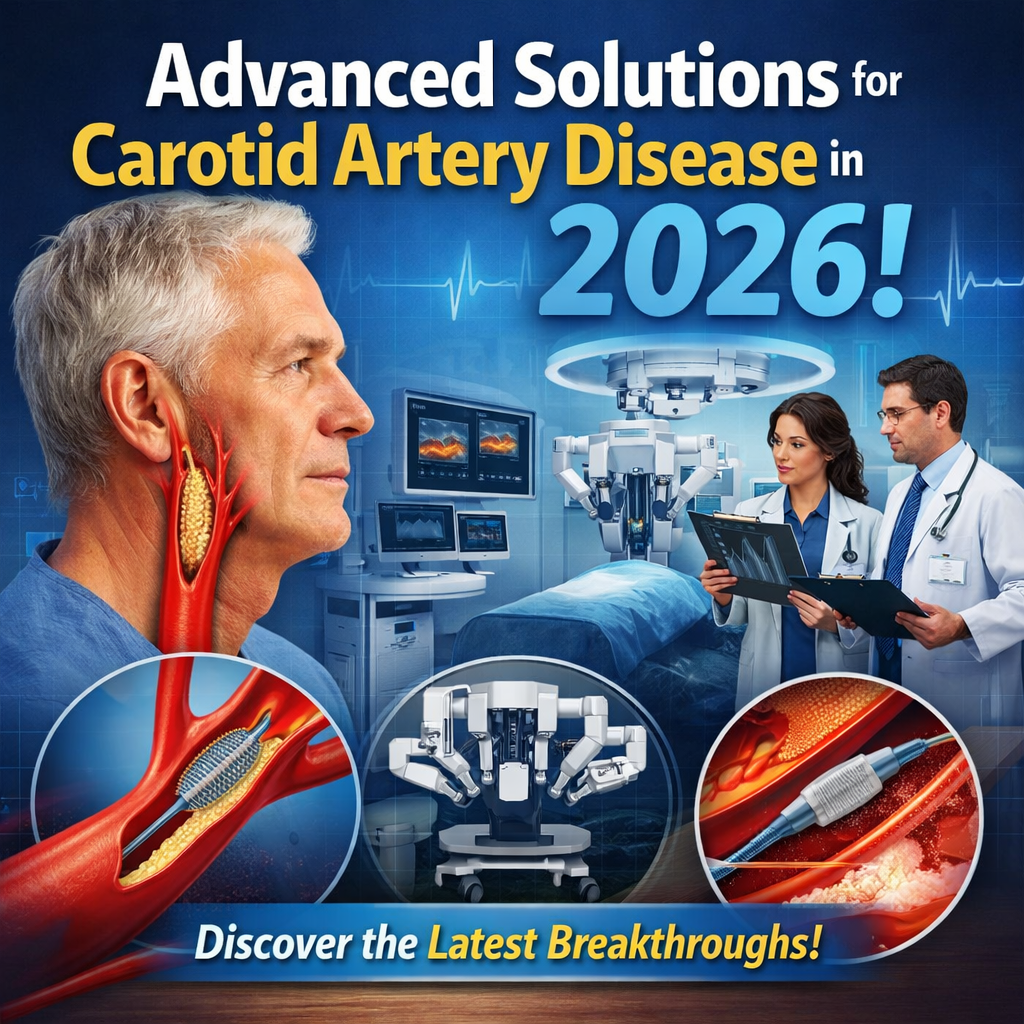
If you or someone you love has been diagnosed with narrowed neck arteries, understanding carotid artery disease symptoms early can be the difference between recovery and a devastating stroke. This condition develops when plaque builds up inside the carotid arteries, reducing blood flow to the brain. Recognizing warning signs like sudden dizziness, facial numbness, or brief vision loss helps patients seek care before irreversible damage occurs. Today's treatment landscape offers more precise, less invasive options than ever before.
What Are the Early Warning Signs?
Many people overlook mild symptoms until a crisis hits. Watch for:
- Sudden weakness or numbness on one side of the body.
- Slurred speech or trouble understanding words.
- Brief episodes of vision loss in one eye.
- Unexplained severe headaches.
- Difficulty with balance or coordination.
These episodes, often called TIAs (transient ischemic attacks), are serious red flags that demand immediate medical attention.
Which Treatment Options Work Best in 2026?
Lifestyle and Medical Management
For early-stage cases, doctors often begin with cholesterol-lowering medications, blood thinners, and blood pressure control. Quitting smoking and adopting a heart-healthy diet significantly slows disease progression.
Carotid Endarterectomy (CEA)
This surgical procedure physically removes plaque from the artery wall. It remains the gold standard for patients with significant blockage and a manageable surgical risk.
Carotid Artery Stenting (CAS)
A minimally invasive alternative, stenting works well for patients who cannot safely undergo open surgery. A small mesh tube holds the artery open, restoring healthy blood flow.
How Do Doctors Decide Which Treatment Fits You?
Your vascular specialist evaluates blockage severity, overall health, age, and symptom history. Someone experiencing active carotid artery disease symptoms with over 70% blockage typically qualifies for surgical or stenting intervention rather than medication alone.
Modern imaging tools like carotid ultrasound and CT angiography now allow incredibly precise treatment planning tailored to each patient's anatomy.
Taking action against carotid artery disease symptoms today means protecting your brain tomorrow. Consult a board-certified vascular specialist, ask about your blockage percentage, and explore whether lifestyle changes, surgery, or stenting aligns with your health goals and quality of life.
Final Words
Carotid artery disease can increase the risk of stroke if not treated properly. In 2026, patients have access to advanced and more effective treatment options tailored to their condition. These include lifestyle changes, medications to manage cholesterol and blood pressure, and minimally invasive procedures like carotid stenting. In more severe cases, surgery such as carotid endarterectomy may be recommended. Early diagnosis and personalized care plans play a key role in improving outcomes. With modern technology and medical advancements, treatment is now safer, faster, and more effective, helping patients reduce risks and maintain better long-term vascular health.




.webp)