 Sign up with Google
 Sign in with Zoho

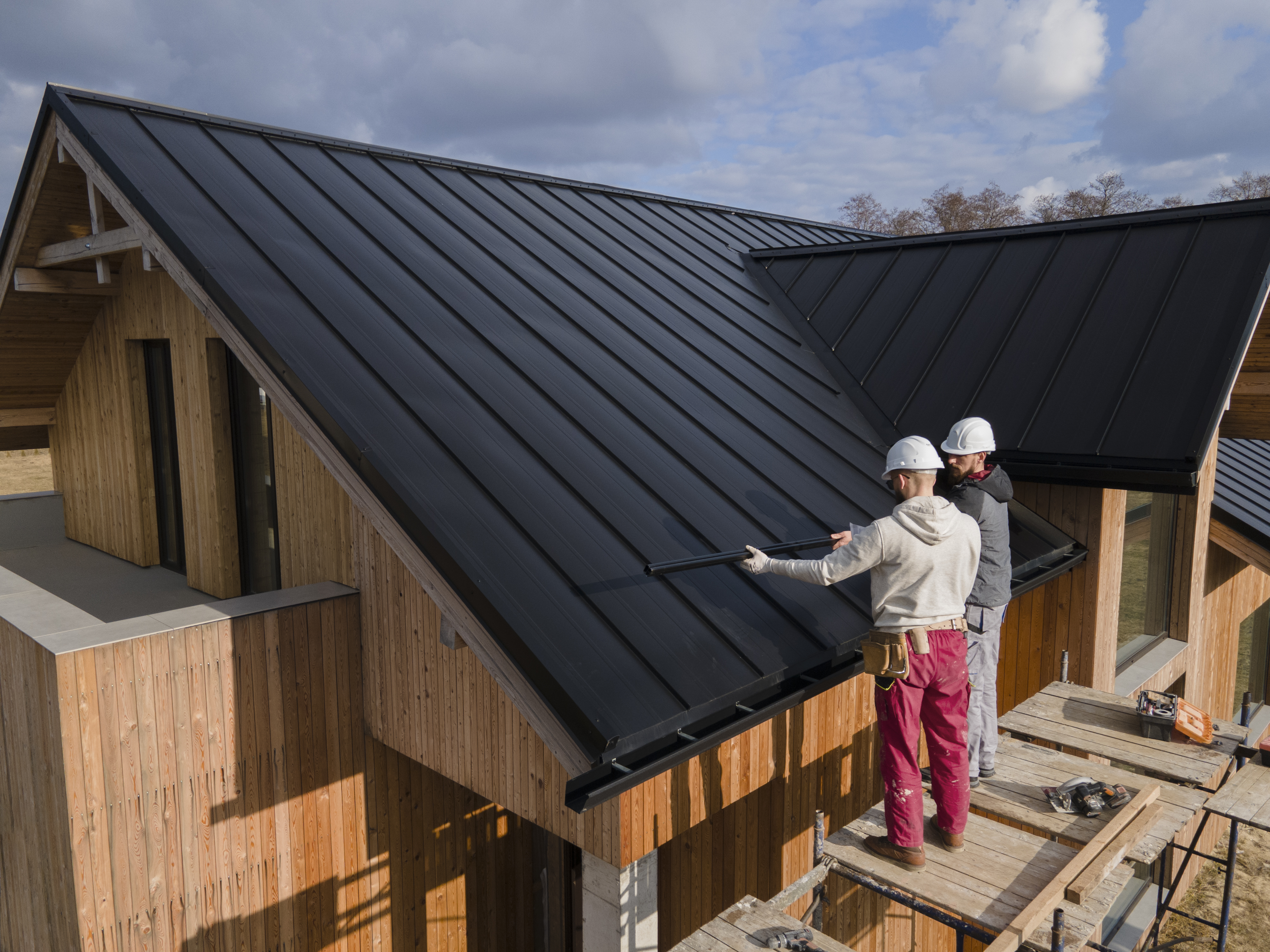
Taking care of your roof after a restoration is one of the smartest investments you can make as a homeowner. A professionally completed roof restoration can significantly extend the life of your roof, improve your home’s appearance, and help prevent costly repairs in the future. However, the job doesn’t end once the work is finished—ongoing maintenance is essential to protect that investment.
In this guide, we’ll walk you through practical, easy-to-follow steps to keep your roof in excellent condition after restoration, ensuring it continues to perform well for many years.
Why Post-Restoration Maintenance Matters
After a roof restoration, your roof has been cleaned, repaired, resealed, and possibly repainted or recoated. While this gives your roof a fresh start, it doesn’t make it immune to natural wear and tear. Exposure to sun, rain, wind, and debris can still impact its condition over time.
Regular maintenance helps:
- Detect small issues before they become major problems
- Preserve protective coatings applied during restoration
- Extend the lifespan of roofing materials
- Maintain energy efficiency and home insulation
- Protect your home from leaks and structural damage
Think of maintenance as ongoing protection for the work that has already been done.
1. Schedule Regular Roof Inspections
One of the most important steps in maintaining your roof is having it inspected regularly. Ideally, you should schedule an inspection at least once or twice a year—typically in spring and autumn—as well as after severe weather events.
A professional roofer can:
- Check for cracked or loose tiles
- Inspect seals around flashing and vents
- Look for signs of water damage or leaks
- Identify early wear in coatings or paint
Even if your roof appears fine from the ground, underlying issues can still develop. Early detection is key to avoiding expensive repairs later on.
2. Keep Your Roof Clean
Dirt, leaves, moss, and debris can accumulate on your roof over time, especially if you have trees nearby. If left unchecked, this buildup can trap moisture and damage roofing materials.
To keep your roof clean:
- Gently remove leaves and debris from the surface
- Avoid pressure washing unless recommended by a professional
- Use a soft brush or blower for light cleaning
- Be cautious not to damage protective coatings
A clean roof not only looks better but also functions more efficiently. After a recent roof restoration, keeping the surface clean helps preserve the new finish.
3. Clear and Maintain Gutters
Your gutter system plays a crucial role in directing water away from your roof and home. If gutters are blocked, water can back up and seep into your roof, leading to leaks and water damage.
Maintenance tips:
- Clean gutters at least twice a year
- Remove leaves, twigs, and dirt buildup
- Check for proper water flow during rain
- Ensure downpipes are not blocked
Installing gutter guards can reduce the frequency of cleaning and help keep the system functioning smoothly.
4. Check for Moss, Algae, and Lichen
In damp or shaded areas, moss and algae can start to grow on your roof over time. These growths can hold moisture against the surface and gradually damage roofing materials.
To prevent this:
- Trim overhanging tree branches to allow sunlight
- Use appropriate treatments to remove moss and algae
- Avoid harsh chemicals that may damage roofing materials
- Seek professional help if growth becomes widespread
After a roof restoration, your roof should have a protective coating that resists these growths, but regular checks are still important.
5. Monitor for Signs of Damage
Even with regular care, it’s important to keep an eye out for warning signs that something may be wrong.
Look for:
- Water stains on ceilings or walls
- Cracked, broken, or missing tiles
- Rust spots on metal roofs
- Peeling paint or coating
- Dampness or mold in the attic
If you notice any of these signs, it’s best to contact a roofing professional immediately. Addressing issues early can prevent more serious damage.
6. Maintain Roof Flashing and Seals
Flashing is used around roof joints, chimneys, vents, and skylights to prevent water from entering vulnerable areas. Over time, flashing can become loose or deteriorate.
Maintenance steps:
- Inspect flashing for cracks or lifting
- Ensure seals are intact and watertight
- Replace damaged flashing promptly
- Re-seal joints if needed
These areas are especially important because they are common sources of leaks if not maintained properly.
7. Trim Nearby Trees
Overhanging branches can cause several problems for your roof:
- Scratching or damaging roof surfaces
- Dropping leaves and debris
- Providing shade that encourages moss growth
- Increasing the risk of falling branches during storms
Keeping trees trimmed back from your roof reduces these risks and helps protect the work done during your roof restoration.
8. Avoid Walking on Your Roof
Walking on your roof can cause unnecessary damage, especially after it has been restored. Even if your roof appears sturdy, stepping on it can:
- Crack tiles
- Damage protective coatings
- Dislodge shingles or materials
If you need to inspect something, it’s safer to use binoculars from the ground or hire a professional who knows how to safely access the roof.
9. Ensure Proper Ventilation
Good roof ventilation helps regulate temperature and moisture levels inside your roof space. Without proper airflow, heat and moisture can build up, leading to:
- Warping of materials
- Mold and mildew growth
- Reduced lifespan of roofing components
Make sure:
- Vents are not blocked
- Insulation is properly installed
- Airflow is balanced between intake and exhaust
Proper ventilation supports the longevity of your roof and helps maintain indoor comfort.
10. Reapply Protective Coatings When Needed
Depending on the type of restoration your roof received, protective coatings may need to be reapplied every few years. These coatings help:
- Protect against UV rays
- Improve water resistance
- Enhance durability
- Maintain color and appearance
Check with your roofing professional about when reapplication is recommended. Keeping up with this step ensures your roof restoration investment continues to deliver long-term value.
11. Prepare for Seasonal Changes
Different seasons bring different challenges for your roof.
In Summer:
- Check for heat-related expansion
- Inspect for cracks or surface damage
- Ensure ventilation is working well
In Winter:
- Watch for water pooling and ice buildup (if applicable)
- Check drainage systems
- Look for leaks after heavy rain
In Storm Season:
- Inspect your roof after strong winds or hail
- Check for loose materials or damage
- Secure any vulnerable areas quickly
Being proactive with seasonal maintenance can prevent unexpected damage.
12. Keep Records of Maintenance and Repairs
Maintaining a record of all inspections, repairs, and maintenance tasks helps you:
- Track the condition of your roof over time
- Provide documentation for insurance claims
- Plan future maintenance more effectively
After completing a roof restoration, keep all related documents and warranties in a safe place. This can be very useful if you ever need to prove the work was done professionally.
13. Work with Professional Roofers
While some maintenance tasks can be done yourself, it’s always best to rely on professionals for:
- Inspections
- Repairs
- Deep cleaning
- Coating reapplications
Professional roofers have the experience and tools to safely and effectively maintain your roof. They can also identify issues that may not be visible to the untrained eye.
Final Thoughts
Maintaining your roof after a restoration is not difficult, but it does require consistency and attention to detail. By following these steps—regular inspections, cleaning, gutter maintenance, and timely repairs—you can significantly extend the lifespan of your roof and avoid costly issues.
A well-maintained roof not only protects your home but also enhances its value and appearance. Treat your restored roof as a long-term investment, and it will continue to serve you well for many years to come.