Sign up with Google
 Sign in with Zoho


Maintaining good urological and sexual health is important for quality and overall well-being of life. However, many people tend to overlook these aspects of health until they experience discomfort or noticeable symptoms. The urinary and reproductive systems play a major role in daily body functions, and taking proactive steps to care for them can help prevent a wide range of health issues. Whether you are in your twenties or your senior years, adopting healthy habits can significantly improve your urological and sexual wellness.
Stay Hydrated and Follow a Balanced Diet
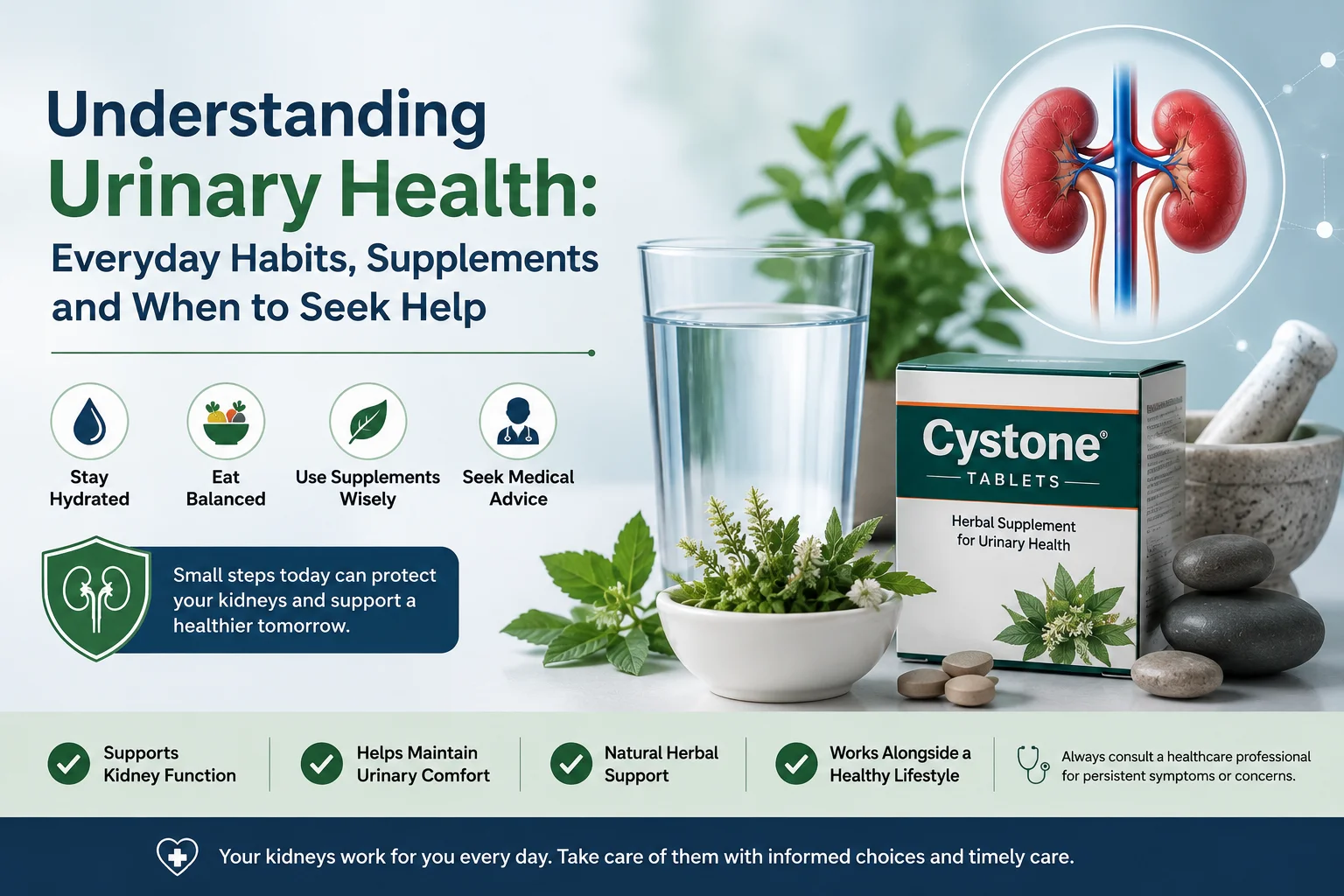
One of the simplest ways to support urological health is by staying adequately hydrated. Drinking enough water helps flush toxins and bacteria from the urinary tract, reducing the risk of infections and kidney stones. Most adults should aim to drink sufficient fluids throughout the day, although individual requirements may vary depending on age, climate, and activity level.
A nutritious diet rich in fruits, vegetables, whole grains, and lean proteins also contributes to better urinary and reproductive health. Foods high in antioxidants help reduce inflammation, while limiting excessive salt, sugar, and processed foods can support healthy kidney function. Maintaining a balanced diet also promotes healthy blood circulation, which is important for sexual health.
Schedule Regular Urological Checkups
Routine medical checkups can help detect potential problems before they become serious. Conditions such as urinary tract infections, kidney stones, bladder disorders, and prostate-related issues often develop gradually and may not show obvious symptoms in the early stages. Regular screening becomes increasingly important with age, particularly for men who may be at a higher risk of prostate enlargement or other urological conditions.
If you experience symptoms such as frequent urination, difficulty passing urine, pain during urination, or blood in the urine, it is advisable to consult an experienced urologist in jaipur for proper evaluation and treatment.
Maintain a Healthy Weight and Exercise Regularly
Physical activity benefits almost every system in the body, including the urinary and reproductive systems. Regular exercise improves blood circulation, supports hormone balance, and lowers the risk of obesity-related conditions like diabetes and high blood pressure. Both of these can harm urological and sexual health.
Maintaining a healthy weight can also reduce pressure on the bladder and pelvic floor muscles. Activities such as walking, swimming, cycling, and strength training can contribute to long-term wellness. Even moderate exercise performed consistently can make a significant difference in overall health.
Pay Attention to Personal Hygiene
Good personal hygiene is crucial for preventing infections and maintaining reproductive health. Regular cleaning of the genital area helps reduce the buildup of bacteria and other microorganisms that can cause irritation or infection. Men should pay particular attention to foreskin hygiene, especially if they are uncircumcised.
Certain conditions such as recurrent infections, inflammation, or difficulty retracting the foreskin may require medical intervention. In such cases, seeking professional guidance regarding circumcision in jaipur can help determine the most appropriate treatment option based on individual needs.
Avoid Smoking and Limit Alcohol Consumption
Smoking has been linked to numerous health complications, including bladder cancer, kidney disease, and erectile dysfunction. Tobacco use damages blood vessels and restricts blood flow, which can significantly impact sexual performance and reproductive health.
Excessive alcohol consumption can also interfere with hormone production and sexual function. Limiting alcohol intake and avoiding tobacco products can help preserve both urological and sexual health while reducing the risk of chronic diseases.
Manage Stress Effectively
Mental health plays an important role in physical well-being. Chronic stress, anxiety, and depression can contribute to various urological and sexual health concerns. Stress may increase urinary frequency, worsen existing symptoms, and negatively affect libido and sexual performance.
Practicing relaxation techniques such as meditation, yoga, deep breathing exercises, and mindfulness can help reduce stress levels. Ensuring adequate sleep and maintaining a healthy work-life balance are equally important for long-term health.
Address Sexual Health Concerns Promptly
Many individuals hesitate to discuss sexual health issues due to embarrassment or social stigma. However, concerns such as erectile dysfunction, premature ejaculation, reduced libido, or difficulties in intimate relationships should not be ignored. These issues may sometimes indicate underlying physical or psychological conditions that require professional attention.
Seeking advice from a qualified sexologist in jaipur can help identify the root cause of sexual health concerns and provide effective treatment options tailored to individual circumstances.
Adopt Age-Specific Health Practices
As people age, their health needs change. Younger adults should focus on preventive care, healthy lifestyle habits, and awareness of sexually transmitted infections. Middle-aged individuals should pay closer attention to prostate health, metabolic disorders, and stress management. Older adults may benefit from more frequent health screenings and discussions about urinary and sexual function with their healthcare providers.
Being proactive at every stage of life allows individuals to address potential concerns early and maintain a better quality of life.
Conclusion
Good urological and sexual health is not achieved through a single action but through consistent healthy habits practiced over time. Staying hydrated, eating a balanced diet, exercising regularly, maintaining proper hygiene, managing stress, and seeking timely medical care can significantly reduce the risk of many common health problems. By taking a proactive approach and paying attention to changes in your body, you can enjoy better urinary, reproductive, and sexual health at every age.