
 Sign up with Google
 Sign in with Zoho

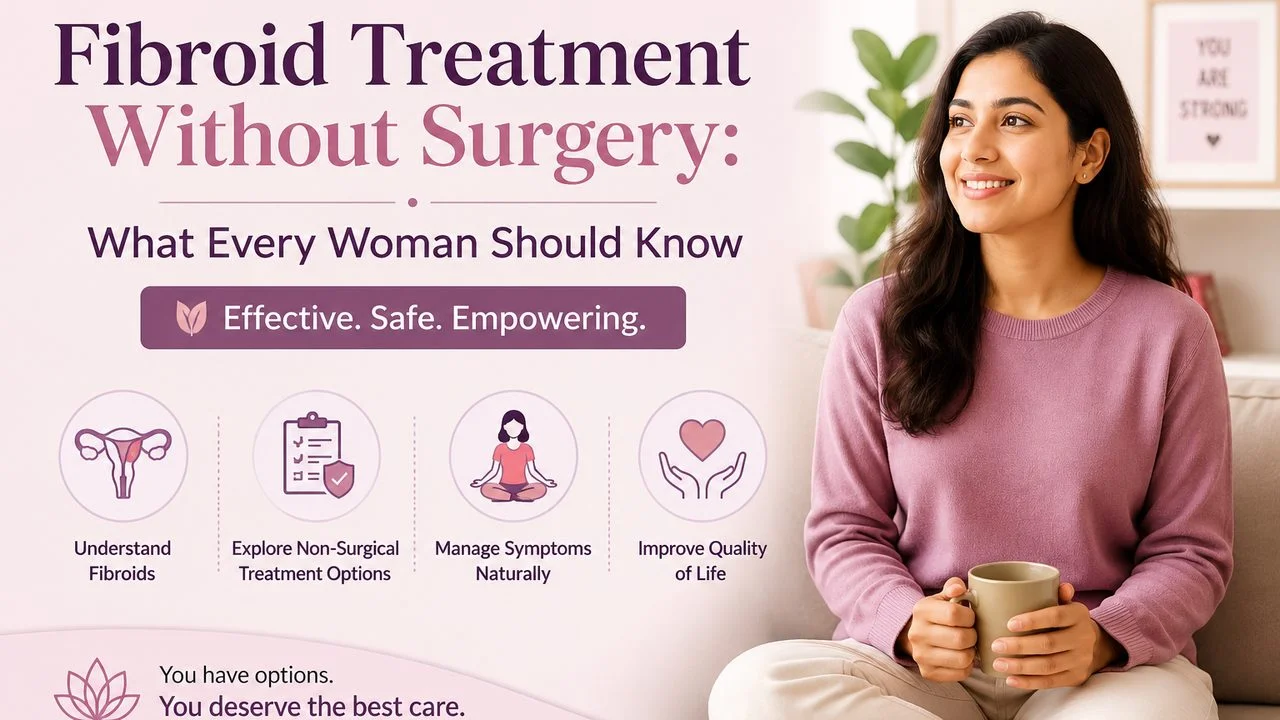
She came in carrying a manila folder thick enough to be a small novel.
Forty-three years old, mother of two, secondary school teacher. Inside that folder were three surgical opinions, two years of ultrasound reports, and a single sentence written in red ink at the top of the most recent consultation note: "Hysterectomy recommended."
She sat down across from me and said, very quietly:
"Doctor, is there actually another way? Or has everyone been right?"
I see some version of this woman almost every week at my Vascular & Interventional Clinic at BLK-MAX Hospital. And my answer is almost always the same yes, there is another way. non-surgical Fibroid Treatment is possible .
That's what this article is for.
What Are Uterine Fibroids, Really?
Uterine fibroids are non-cancerous growths that develop in or around the wall of the uterus. They're made of muscle and fibrous tissue, and they're extraordinarily common some estimates suggest that by the age of 50, up to 80% of women will have developed fibroids, though not all will experience symptoms.
The ones who land in my clinic almost always have symptoms. Heavy menstrual bleeding severe enough to cause anaemia. Pelvic pain or pressure that makes sitting through a full workday miserable. Frequent urination because a fibroid is pressing against the bladder. Bloating that makes women feel as one patient memorably put it "six months pregnant when I'm not."
These aren't minor inconveniences. They're quality-of-life problems serious enough to disrupt careers, relationships, and daily function. And for decades, the primary solution offered to women with significant fibroid symptoms was surgery either a myomectomy (removing the fibroids while preserving the uterus) or a hysterectomy (removing the uterus entirely).
Both are major surgical procedures. Both carry real risks. And for many women, neither was ever the only option.
The Option Most Women Are Never Told About
Uterine Fibroid Embolization or UFE Treatment is a minimally invasive procedure that has been performed globally for over 25 years, with an extensive body of clinical evidence behind it. It's listed in international guidelines as a first-line treatment option for symptomatic fibroids. And yet, a significant number of women in India are still being handed surgical consent forms without ever being told it exists.
So what actually happens during UFE?
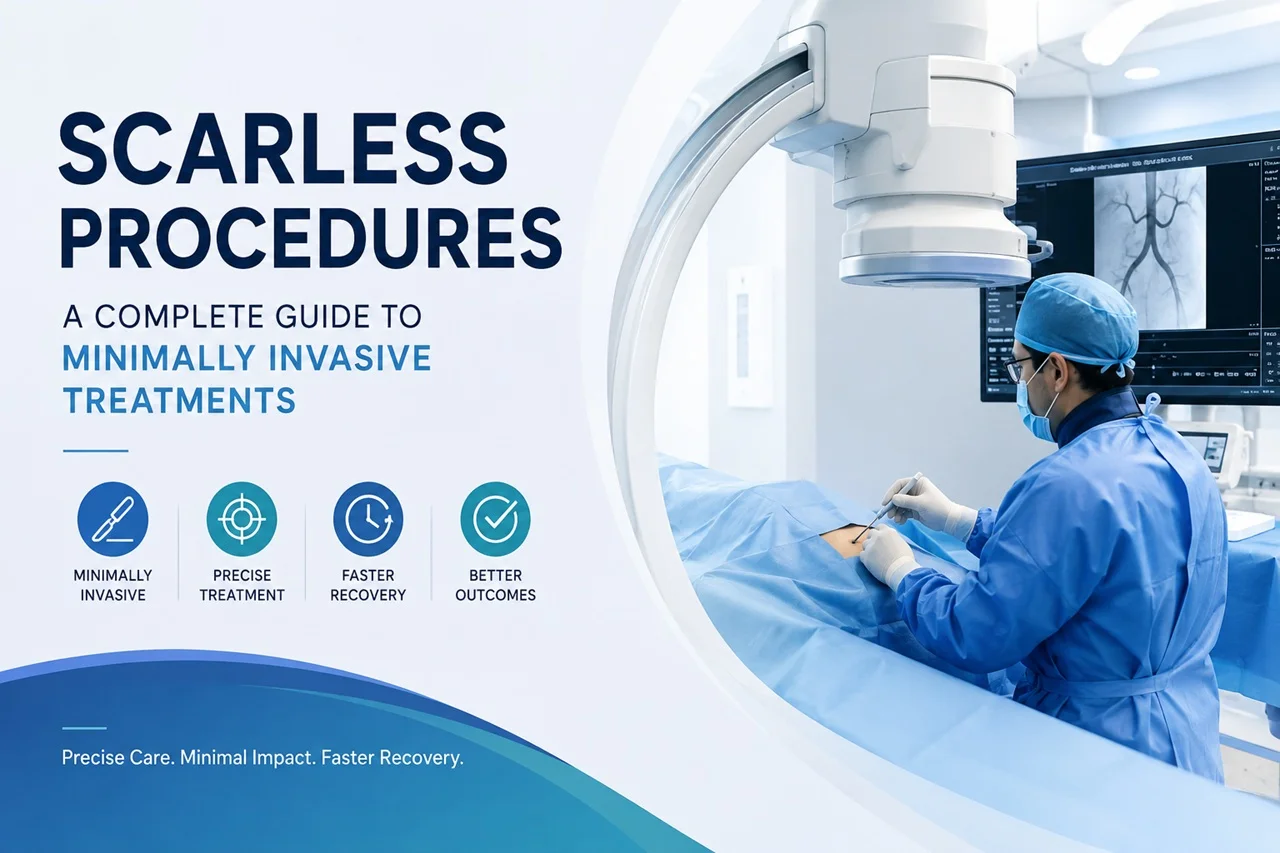
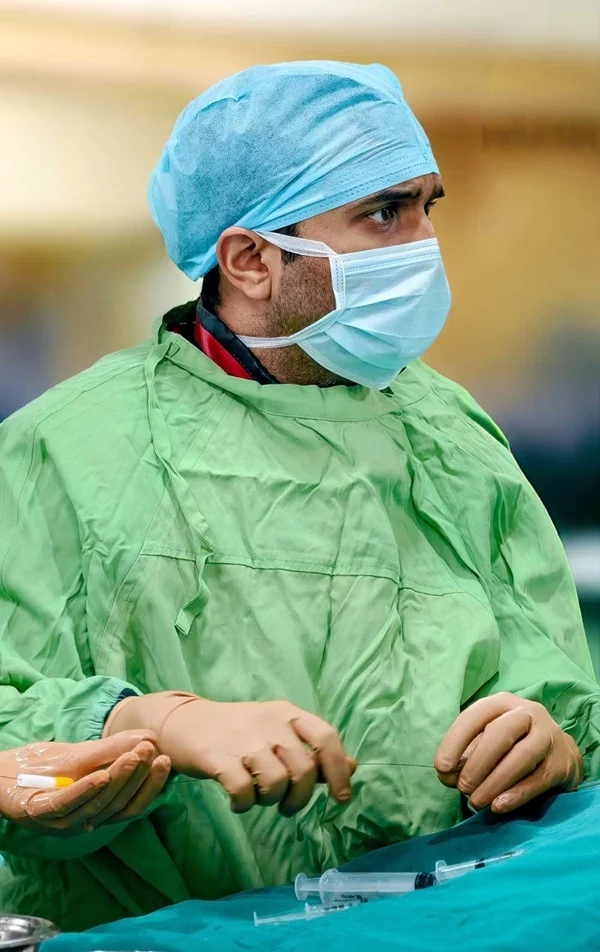
As an Interventional Radiologist in Delhi, I perform this procedure under imaging guidance. A tiny catheter thinner than a drinking straw is inserted through the wrist or groin, and guided through the body's blood vessels using real-time X-ray imaging. Once positioned in the uterine arteries supplying the fibroids, tiny particles are released. These particles block the blood supply to the fibroids.
Cut off from their blood supply, the fibroids shrink. Over the following weeks and months, they continue to reduce in size. Symptoms the heavy bleeding, the pain, the pressure resolve along with them.
The entire procedure takes about 60 to 90 minutes. Most women stay one night in the hospital and go home the next morning. They're back to their normal routine within a week to ten days. And the uterus critically remains completely intact.
What "Uterus-Preserving Treatment" Actually Means for Women
This matters more than it might initially seem, and not just for women who wish to conceive.
There is growing evidence suggesting that hysterectomy removal of the uterus carries long-term health implications beyond the obvious ones. Some research has linked it to cardiovascular changes, pelvic floor dysfunction, and hormonal shifts, even when ovaries are retained. Many women who've had hysterectomies describe a grief they didn't anticipate, a sense of physical incompleteness that goes beyond medical outcomes.
Uterine Fibroid Embolization preserves the uterus entirely. Symptom relief is achieved without removing anything. For women who haven't completed their families, this is an important consideration though it's worth noting that the evidence base for post-UFE pregnancy is evolving, and individual candidacy depends on specific fibroid characteristics that any good fibroid specialist in Delhi will evaluate carefully.
The broader point stands: preserving the uterus is a legitimate medical preference, not a sentimental one, and women deserve treatment options that respect it.
Who Is a Good Candidate for UFE?
This is the question I spend most of my time answering in initial consultations. Not every woman with fibroids is a good candidate for embolization, and an honest specialist will tell you so upfront.
Generally speaking, UFE works best when:
The fibroids are causing significant symptoms heavy menstrual bleeding, pelvic pain, or pressure symptoms. Small fibroids causing minimal symptoms may not warrant any intervention at all.
The fibroids are supplied by the uterine arteries, which is the case for the vast majority of fibroid types. Pedunculated fibroids those attached to the uterus by a narrow stalk are evaluated on a case-by-case basis.
The woman prefers a non surgical fibroid treatment or wishes to preserve her uterus, and is not a good surgical candidate for other medical reasons.
A thorough evaluation including an MRI and a detailed consultation determines individual suitability. This isn't a procedure to be booked without proper imaging and assessment.
Heavy Menstrual Bleeding and Pelvic Pain: When to Seek Help
One of the things I find genuinely concerning, clinically, is how long women wait before seeking evaluation for fibroid-related symptoms.
Heavy menstrual bleeding is so normalised in conversations about women's health that many women simply absorb it as part of life. Changing pads or tampons every hour. Passing large clots. Planning activities around their cycle. Becoming anaemic from blood loss. These are not normal experiences, even if they're common ones.
Pelvic pain and pressure the sensation of constant heaviness in the lower abdomen is similarly under-reported, often because women assume they just have a "sensitive system."
If any of the following apply to you, it's worth speaking to someone specifically about uterine fibroid evaluation:
Menstrual bleeding that lasts longer than seven days, or is heavy enough to interfere with daily life. Pelvic pressure or pain that is persistent rather than cyclical. Abdominal enlargement without a clear cause. Frequent urination or difficulty emptying the bladder completely. Unexplained anaemia or persistent fatigue.
Getting an ultrasound and a BI-RADS-style assessment from an experienced physician is a reasonable first step. If fibroids are confirmed and symptoms are significant, a consultation with an Interventional Radiologist about image guided treatment options is well worth having before any surgical decision is made.
Why "Minimally Invasive" Is Not a Compromise
There is a persistent assumption I hear it from patients, occasionally from other clinicians that minimally invasive procedures are somehow the "easy option," a lesser alternative to "real" treatment.
This assumption is exactly backwards.
The precision required to guide a catheter through branching blood vessels to reach a specific point inside the uterine artery is extraordinary. The imaging technology involved real-time fluoroscopy, ultrasound, digital subtraction angiography is advanced. The training required to perform these procedures competently takes years of dedicated subspecialty fellowship beyond standard radiology training.
What makes these procedures minimally invasive is not that they're simpler. It's that the access point is smaller a pinhole rather than an incision. The clinical work being done through that pinhole is, in many ways, more technically demanding than a conventional surgical approach.
For patients, the practical result of this precision is a dramatically different recovery experience. No general anesthesia in most cases. No surgical wound to heal. No weeks of restricted activity. Most women who undergo UFE describe the recovery as manageable some discomfort and cramping in the days immediately after the procedure, well-controlled with standard pain medication, resolving within a week.
What to Ask Before Accepting a Surgical Recommendation
If you've been told you need a hysterectomy or myomectomy for fibroids, these are reasonable questions to bring to your next consultation:
"Am I a candidate for Uterine Fibroid Embolization?"
If your surgeon doesn't perform this procedure, they may not raise it spontaneously. Ask specifically.
"What are my options for uterus-preserving treatment?"
A good clinician will explain the full range UFE, myomectomy, and observation if appropriate with honest pros and cons for each.
"What does my imaging show about fibroid location and blood supply?"
The specifics of your fibroid anatomy determine which treatments are most likely to work well for you.
"What is the recovery time for the approach you're recommending, versus alternatives?"
Recovery timelines differ substantially between open surgery, laparoscopic myomectomy, and UFE and these differences matter in real life.
Getting a second opinion from a Fibroid Specialist in Delhi or an Interventional Radiologist who performs UFE is entirely reasonable, and a good clinician will not be offended by it.
A Note on What I Actually See in the Clinic
The teacher whose folder opened this article she chose Uterine Fibroid Embolization. Her procedure took 80 minutes. She went home the following morning. Three weeks later, her menstrual bleeding had reduced to the point that she described it as "normal for the first time in years." Six months out, her MRI showed significant fibroid shrinkage and she was back to a full teaching schedule, including the after-school activities she'd been skipping for two years because of fatigue from chronic blood loss.
That's not an exceptional story. It's a fairly typical one. And it's the story I want more women to know is possible before they sign a surgical consent form.
Author Bio
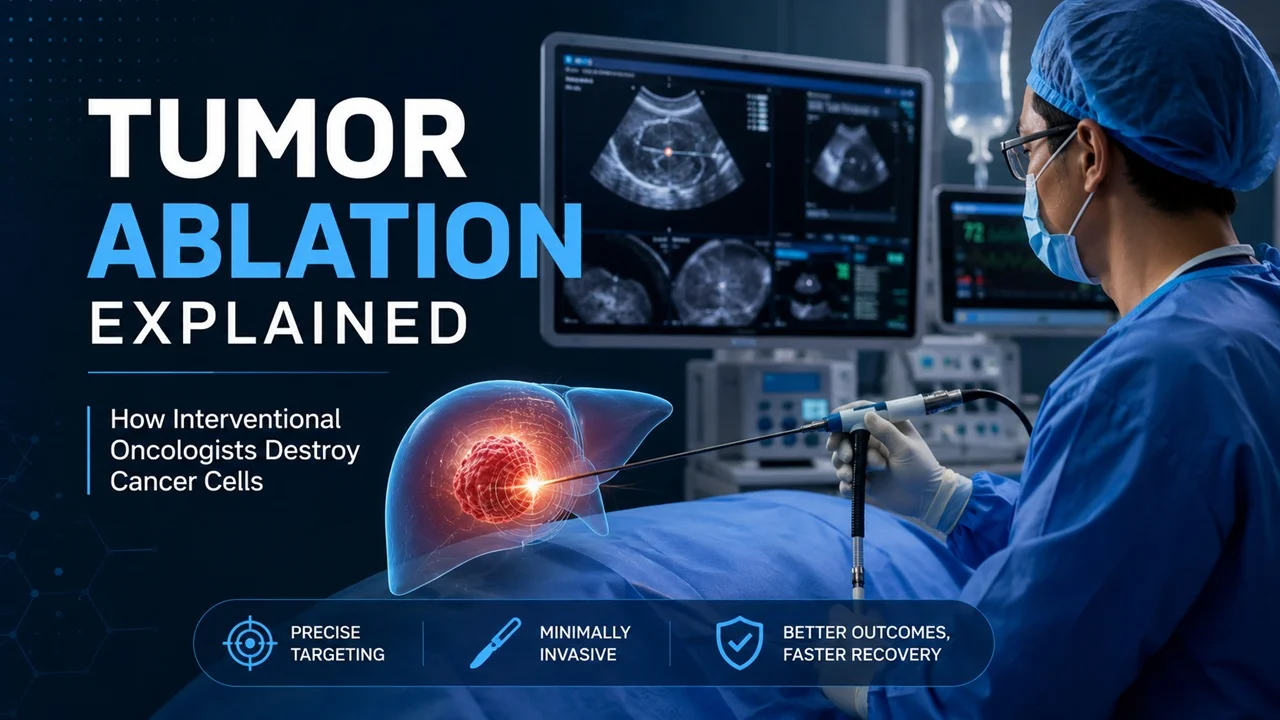
Dr. Akash Bansal is a Consultant Interventional Radiologist and Vascular Specialist at BLK-MAX Superspeciality Hospital, New Delhi, specializing in minimally invasive, image-guided procedures as alternatives to conventional surgery. His Vascular & Interventional Clinic offers UFE, embolization therapies, tumor ablation, and vascular interventions.













.webp)