Sign up with Google
 Sign in with Zoho

In today's digital world, the term "Airbnb" has gained such wide usage that it can be compared to "Google" and "Uber." For many, it has turned into a cheap replacement for a hotel room. Others view it as a high-end real estate investment vehicle. Yet, to get the complete picture of the platform, the user must venture beyond the mobile app and consider it as a revolutionary link between personal hospitality and world trade.
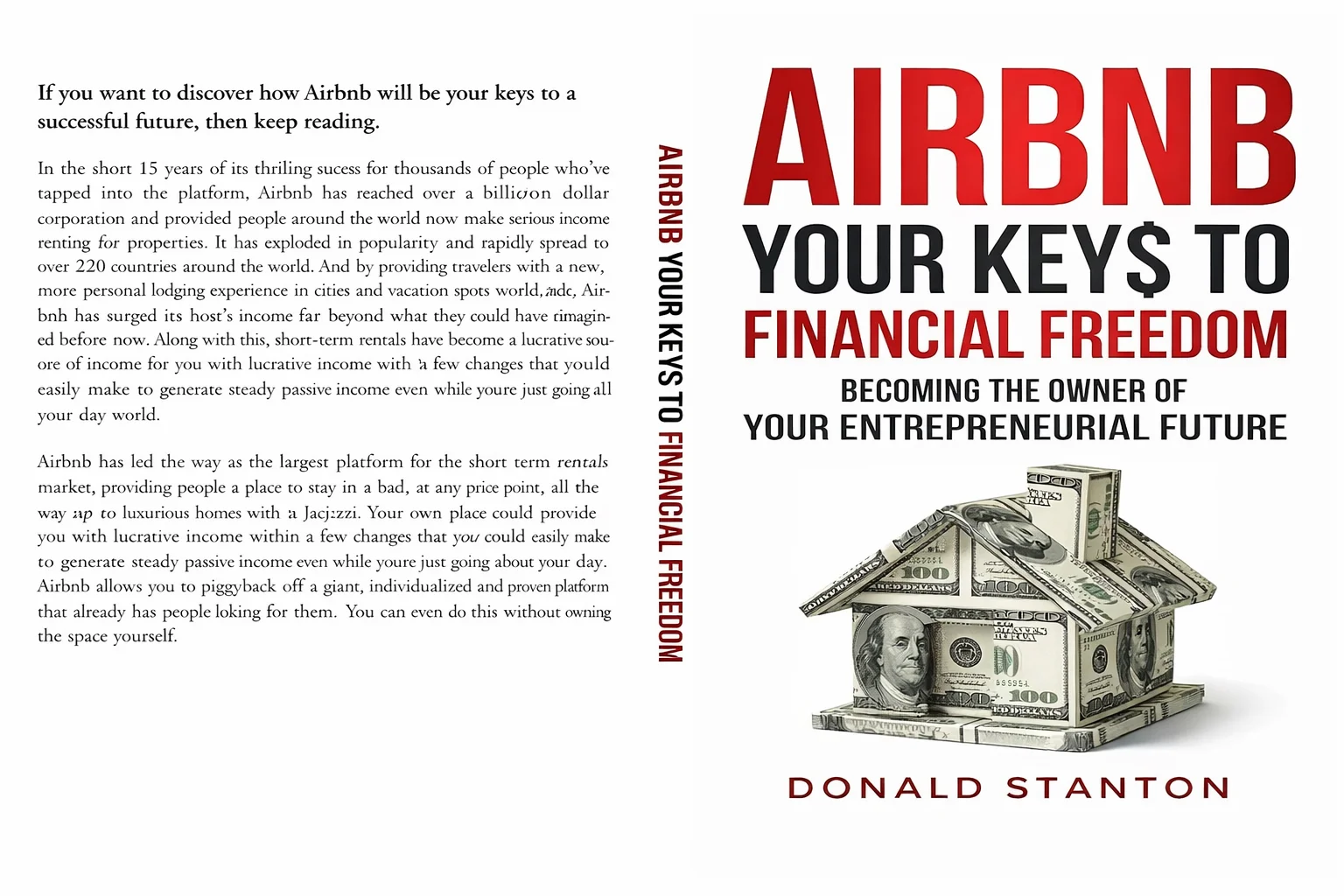
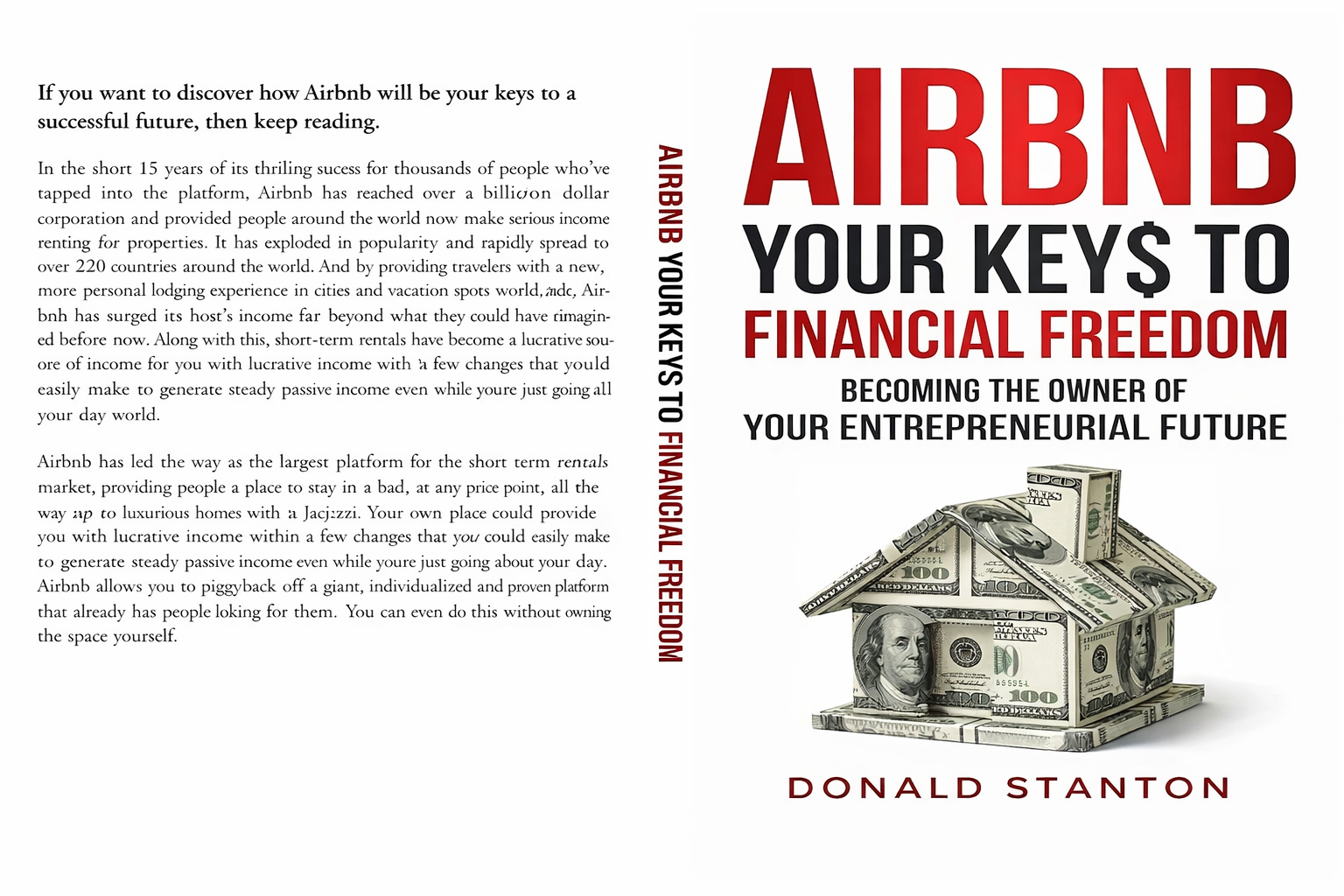
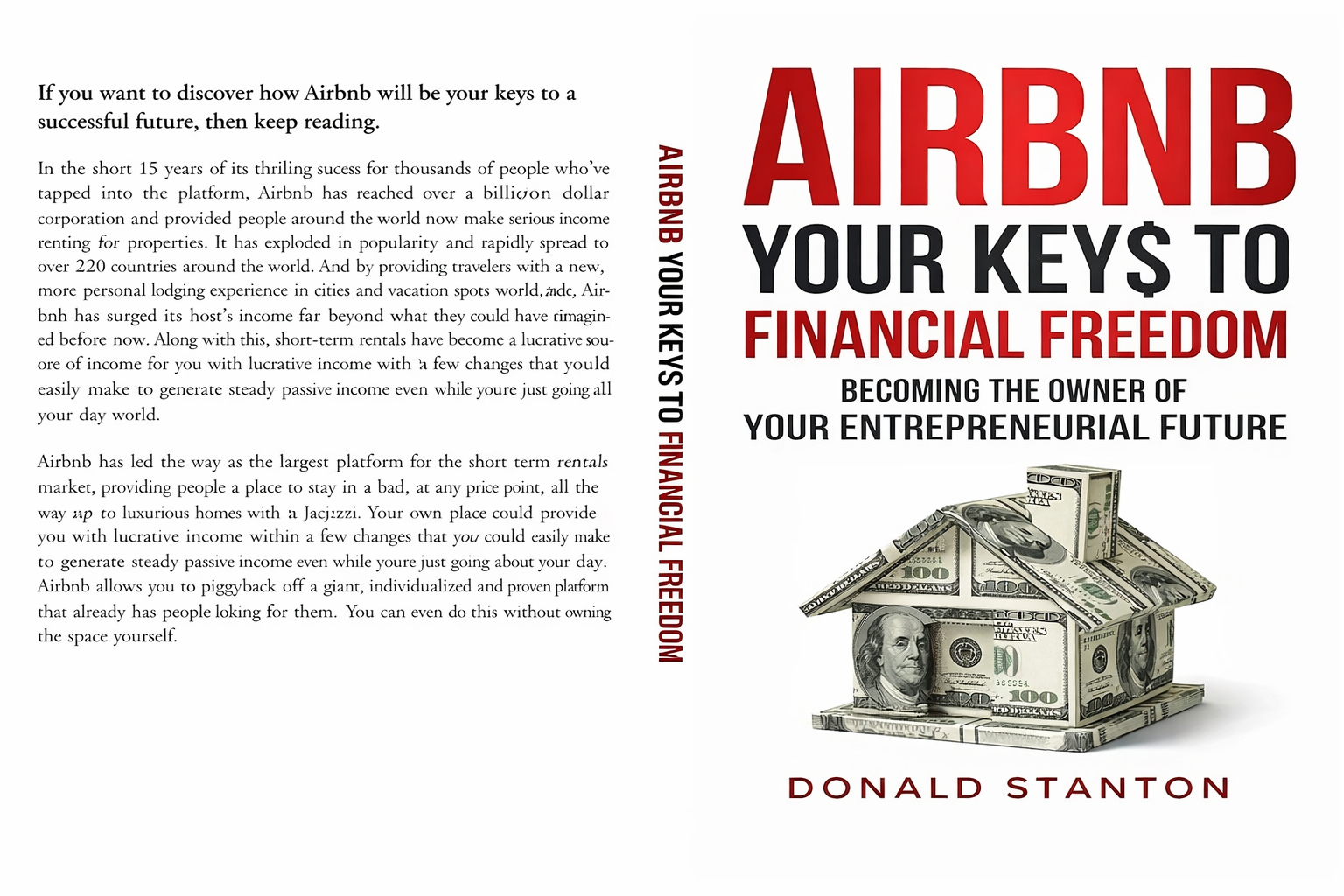
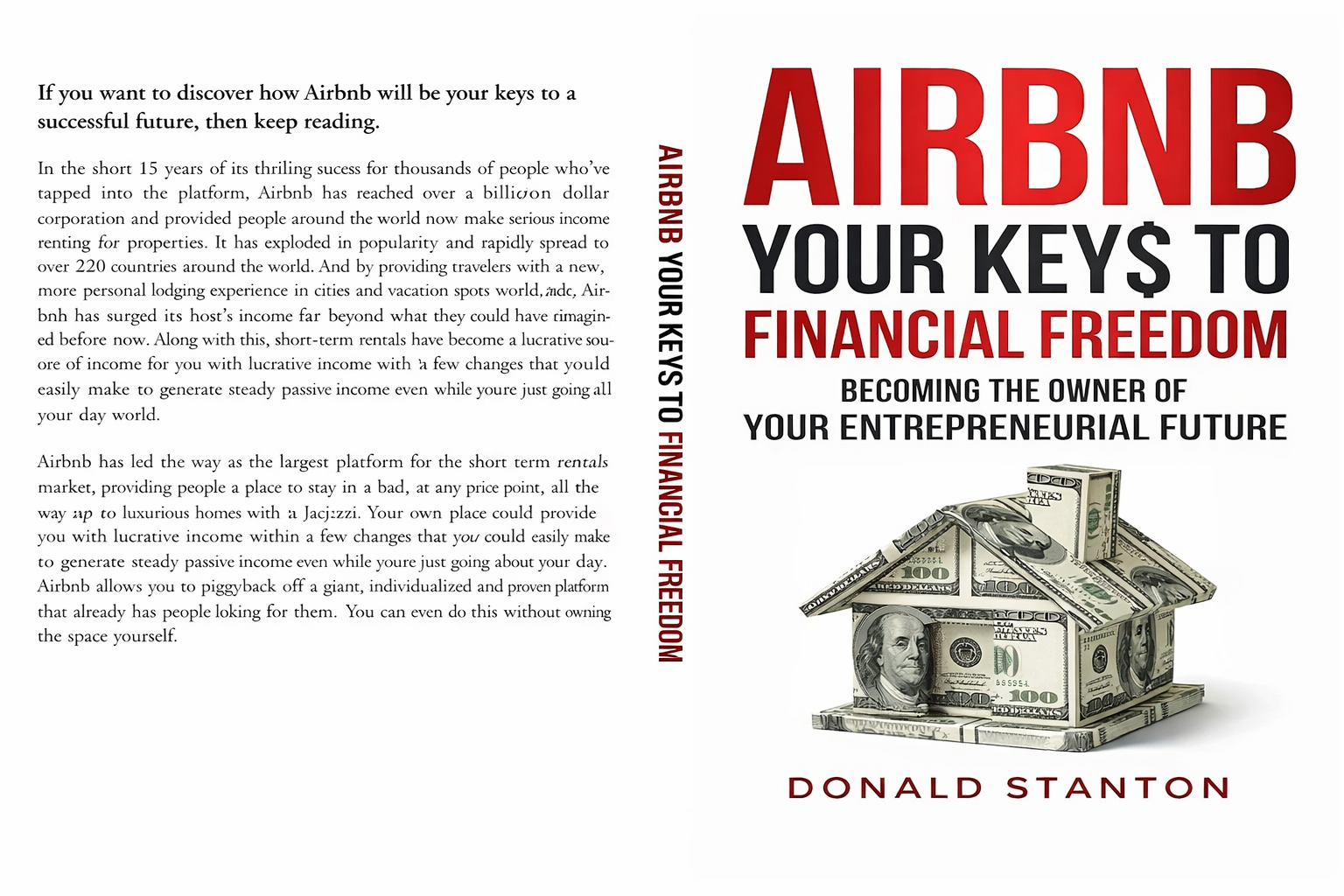
In his book "Airbnb: Your Key to Financial Freedom", Donald Stanton, the author, reveals the secrets of this industry. Stanton, a professional in the field of scaling up businesses and real estate management, provides the "nuts and bolts" of how individuals without special means can turn their extra rooms or rented flats into huge profits. His book is a guide for those who want to climb the ladder from an occasional host to a fully professional business owner. He is stressing that financial independence is for those who know the inner workings of the platform.
The Genesis: From Air Mattresses to Billions
Airbnb's journey is one of the most iconic "pivot" narratives in Silicon Valley. It all started in 2007 when two flatmates in San Francisco, who were having problems with their rent, came up with the idea of putting an air mattress in their living room and offering it as a "Bed and Breakfast" for the attendees of a nearby design conference.
A Worldwide Change in Trust
People before Airbnb always perceived the idea of sleeping over at a place of a stranger as a huge risk or not allowed at all. The company’s main innovation was not the booking software only; Trust had been built into the process. By rolling out a two-way review system, verifying identities, and putting in place secure payment processing, Airbnb turned “stranger danger” into a community-driven safety net. This transformation enabled the company to grow from a single apartment to thousands of listings in almost every country around the globe.
What Airbnb Actually Is: More Than Just a Rental Site
The very essence of Airbnb is a Peer-to-Peer (P2P) Marketplace. They do not have the listed properties on their website, rather they facilitate the digital infrastructure wherein the host can promote the space and the guest can search for unique accommodations.
Features of the Platform:
• The Marketplace: It is a database where people can search and find hosts that have the accommodation they need according to their preferences.
• The Payment Gateway: A reliable system that keeps money until a day after check-in and that way protects both sides involved.
• The Experience Economy: Now, apart from beds, the platform has "Experiences" that allows the host to sell his/her knowledge like offering city tours, cooking classes, or organizing outdoor adventures, etc.
How It Became a Global Income Platform for Hosts
Airbnb transitioned from a hobbyist site to a serious income platform by democratizing real estate. It allowed people to monetize their most underutilized asset: space.
The Rise of the Professional Host
Initially, hosts were individuals renting out a couch. Today, the platform is dominated by "Professional Hosts" who manage multiple properties. This evolution was made possible by:
• Dynamic Pricing Tools: Algorithms are constantly modifying the prices in accordance with the local demand, seasons, and upcoming events.
• Instant Book Features: Making the entire reservation process quicker to match the pace of regular hotels.
• Superhost Status: A badge that is based on the merit system and is given to those who provide excellent service, thus getting more visibility and having a higher rate of bookings.
Strategies for Generating Wealth
As Donald Stanton highlights in his book, you don't necessarily need to own a mansion to make money on the platform. The platform supports various business models:
1. Traditional Hosting
Renting out a primary residence or a secondary vacation home. This is the most common path and relies heavily on the "personal touch" that hotels lack.
2. Rental Arbitrage
This is a "low-capital" strategy where an entrepreneur signs a long-term lease on a property (with the landlord's permission) and then lists it as a short-term rental on Airbnb. The profit is the difference between the monthly rent and the daily Airbnb revenue.
3. Co-Hosting and Management
For those with no property at all, co-hosting involves managing a listing for another owner in exchange for a percentage of the revenue (usually 10% to 25%).
The "Secret Sauce": Why It Beats Hotels
Airbnb solved the modern traveler's problem of Authenticity with its service thus becoming a global giant. If hotels are usually sterile and global, then an Airbnb is a world where you can cook, discover the local area, and feel that you are "at home" anywhere in the world. For hosts, this implies that the more extraordinary and native the experience, the bigger the likelihood of earning a high income.
Final Words
To create a recurring income source through Airbnb, you need to have more than just a camera and the spare key; you will need a strategic mentality. With Donald Stanton’s all-inclusive guide, "Airbnb: Your Key to Financial Freedom," you are provided with a professional blueprint. You will learn to easily install the right business structures, measure your market's potential, and choose the most profitable properties in the right way. By applying Stanton’s expert advice on automation and guest satisfaction, you can move from a "side-hustler" to a savvy entrepreneur, securing your financial future through the world's most powerful hospitality platform.