Sign up with Google
 Sign in with Zoho

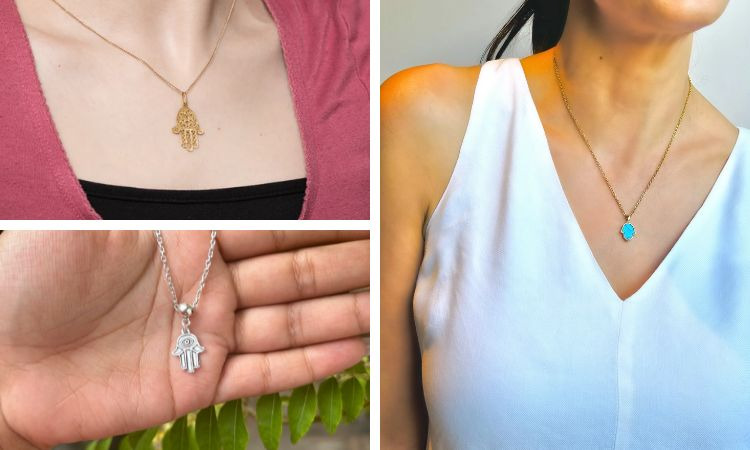
Some jewellery is easy to wear and easy to forget. Some stay in your rotation because they feel like they mean something, even if you can’t fully explain why. While looking through everyday pieces, you might come across a hamsa necklace, subtle, familiar, and slightly different from everything else around it.
That small difference is what makes people pause. It’s not just about how it looks, but what it stands for. So if you’ve been wondering what’s behind the symbol and whether it fits your style, here’s a clear breakdown.
What Does the Hamsa Actually Mean?
The hamsa is a hand symbol, usually with an eye placed right in the centre. That eye is what gives it most of its meaning.
Traditionally, it’s linked to protection, specifically protecting the wearer from negative energy or unwanted attention. You’ll often hear it connected to the idea of the “evil eye,” but in everyday terms, most people don’t take it that literally.
For many, it’s more about intention than belief. It represents:
- Staying aware of your surroundings
- Keeping a sense of balance
- Carrying a bit of protection with you, in a symbolic way
Why This Symbol Has Been Around for So Long
The hamsa has existed for centuries, being used by many cultures all over the Middle East, especially in North Africa and the Mediterranean.
The hamsa is fascinating because both Islamic and Jewish cultures use it, which is uncommon.
The cultural similarities between the two religions are one of the reasons why this symbol has existed for so long; both religions have been able to share, evolve, and carry the hamsa forward through generations.
Wearing a hamsa doesn't require you to be an expert on historical significance, but having some knowledge of its authenticity may give you a sense of belonging to something larger than yourself, a sense that there is more to the hamsa than just a beautiful design that some person created for artistic purposes.
Does It Actually Protect You?
This is probably the most straightforward question people ask.
In a literal sense, no piece of jewellery can physically protect you. But that’s not really the point of something like this.
Symbols work differently. They influence how you feel, how you carry yourself, and sometimes even how you respond to situations. Wearing something that represents protection or awareness can have a subtle but real effect on your mindset.
And for a lot of people, that’s enough reason to wear it.
Why It Works With Almost Everything You Already Own
You don’t need to plan your outfit around it. It doesn’t demand attention or clash with what you’re wearing. It just fits in.
It works naturally with:
- Basic tees and denim
- Linen shirts in warmer weather
- Relaxed office wear
- Even slightly dressed-up evening outfits
If you’ve ever browsed for a silver necklace online, you’ve probably noticed how many hamsa designs lean toward simple, clean finishes. That’s what makes them easy to wear day after day without getting tired of them.
Picking One That You’ll Actually Wear
A few things that genuinely help while you are wearing one:
Keep the size practical
If it’s too big, you’ll end up saving it for “special occasions” and barely wearing it.
Go for simplicity first
Minimal designs tend to last longer in your rotation than overly detailed ones.
That’s really all you need to think about.
Is It the Same as Evil Eye Jewellery?
They’re related, but not identical.
The evil eye is usually just the eye symbol on its own. The hamsa includes the hand as well, which adds another layer of meaning. It’s a bit broader, a bit more balanced.
Can Anyone Wear a Hamsa Necklace?
This is a fair question, especially because the symbol has cultural roots.
These days, the hamsa is widely worn across different cultures and is generally seen as a universal symbol rather than something exclusive. The key is simply understanding what it represents instead of wearing it blindly as a trend.
Conclusion
A hamsa necklace sits somewhere between style and meaning, without forcing either. It’s easy to wear, doesn’t require much thought, and still carries something a bit deeper if you want it to. Whether you’re drawn to the symbolism or just like how it fits into your everyday outfits, it’s one of those pieces that tends to stay with you. And usually, that’s the best sign you’ve chosen well.
FAQs
What does a hamsa necklace represent?
It symbolises protection, awareness, and keeping negative energy at a distance.
Is it religious or just symbolic?
It has religious roots, but most people wear it today in a general, non-religious way.
Which way should the hamsa face?
Both directions are worn. Upwards often represents protection, while downwards can symbolise openness and blessings.
Can I wear it every day?
Yes, it’s designed for daily wear and works with most outfits.
Is silver a good choice?
Absolutely. Silver is versatile and easy to style.
Is it a good gift?
Yes, especially for milestones, travel or new beginnings.