Sign up with Google
 Sign in with Zoho

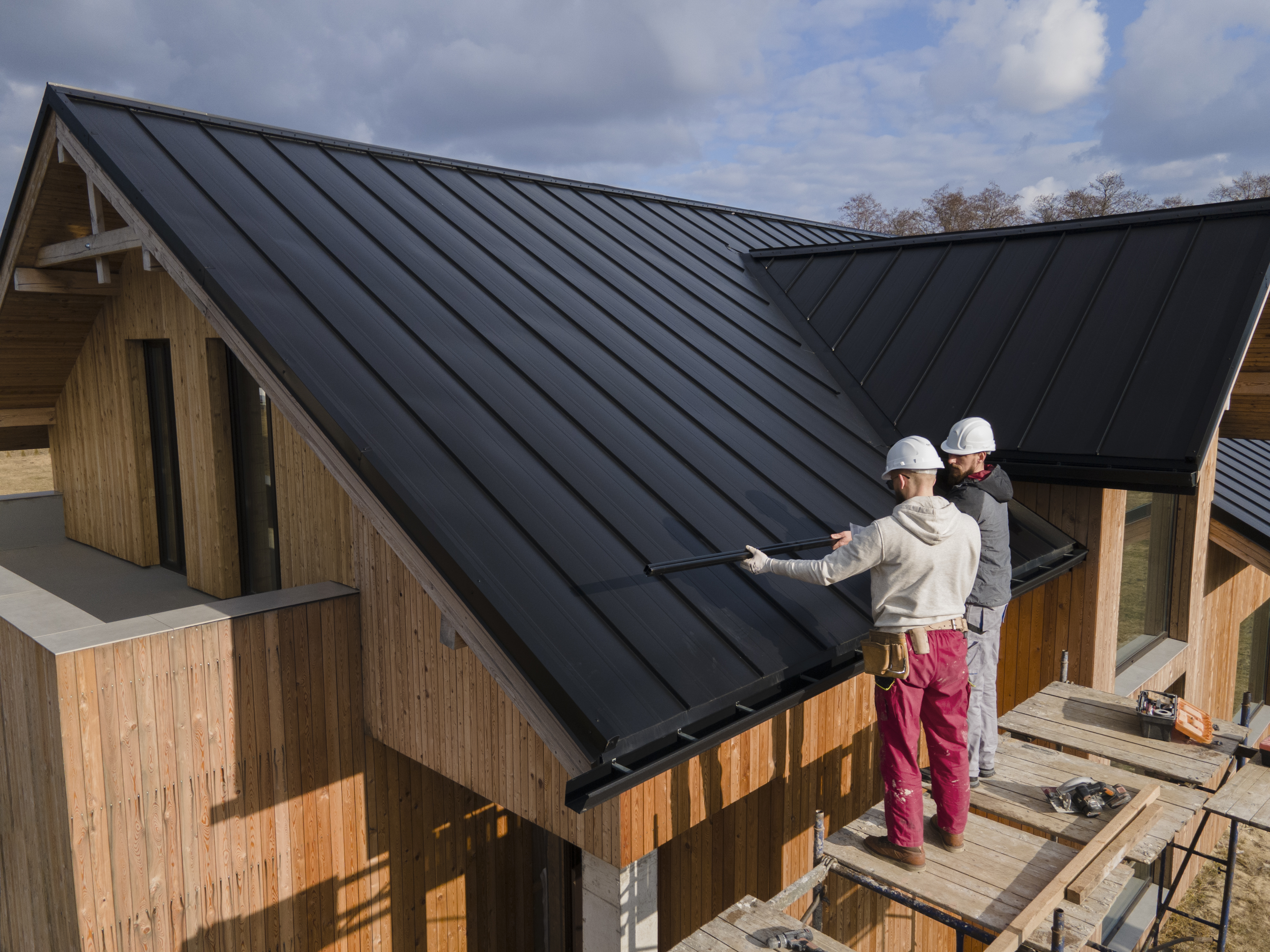
Planning a roof restoration is one of the smartest ways to protect your home, improve its appearance, and extend its lifespan without the cost of a full replacement. Whether your roof is aging, leaking, or simply losing its visual appeal, a well-structured plan ensures the project runs smoothly and delivers long-term results.
For homeowners in Melbourne, where weather conditions can shift from intense sun to heavy rain within days, proper planning becomes even more critical. A poorly maintained roof in such climates can quickly lead to structural issues, water damage, and increased repair costs. That’s why taking a strategic approach from the start can save both time and money while ensuring your property remains safe and durable.
Below is a detailed step-by-step guide to help you plan your roof restoration effectively.
1. Assess the Current Condition of Your Roof
Before starting any project, you need to understand what you’re working with. A thorough inspection helps identify visible and hidden issues such as cracked tiles, rusted metal sheets, mold growth, or water leaks.
You can begin with a basic visual inspection from the ground using binoculars, but it’s always better to hire a professional for a detailed assessment. Experts can identify structural weaknesses that aren’t obvious to the untrained eye.
For example, in Melbourne, many homes experience wear and tear due to seasonal storms and UV exposure. A homeowner in the suburbs might notice faded tiles and minor leaks after years of weather exposure. In areas like Mornington, these conditions can be even more intense due to coastal elements, making roof restoration in Mornington a common and necessary solution. Catching these issues early allows you to address them before they turn into costly repairs.
2. Define Your Restoration Goals
Not all projects are the same. Some homeowners want to improve aesthetics, while others focus on fixing damage or increasing property value.
Ask yourself:
- Do you want to fix leaks and damage?
- Are you aiming to improve energy efficiency?
- Is the goal to enhance curb appeal before selling?
Clearly defining your objectives will help guide decisions about materials, budget, and the scope of work. A simple cleaning and repainting job differs significantly from a complete restoration involving structural repairs.
3. Set a Realistic Budget
Budgeting is a crucial part of planning. Costs can vary depending on the size of your roof, materials used, labor, and the extent of damage.
A typical budget should include:
- Inspection and assessment fees
- Cleaning and repairs
- Replacement of damaged sections
- Coating or sealing
- Labor costs
For instance, in Melbourne, restoration costs can vary widely depending on property size and roofing materials. For instance, a tiled roof in an older neighborhood may require more extensive repairs compared to a newer metal roof, increasing overall expenses. Similarly, when considering roof restoration in Mornington, coastal conditions and salt exposure can also impact costs, often requiring additional treatments and protective coatings.
Always set aside an extra 10–15% as a contingency fund to handle unexpected issues that may arise during the project.
4. Choose the Right Roofing Contractor
Selecting a reliable contractor is one of the most important steps. A skilled professional ensures quality workmanship and helps avoid future problems.
When choosing a contractor:
- Check licenses and certifications
- Read customer reviews and testimonials
- Ask for references
- Request a detailed written quote
- Confirm warranty coverage
Avoid choosing based solely on the lowest price. Instead, focus on experience, reputation, and transparency. A trustworthy contractor will clearly explain the process and provide realistic timelines.
5. Select Suitable Materials and Methods
The materials you choose will directly impact the durability and appearance of your roof. Options vary depending on your existing structure and budget.
Common choices include:
- Tile restoration (repointing, resealing, repainting)
- Metal roof coating and rust treatment
- Waterproof membranes
- High-quality sealants
For example, in Melbourne, homeowners often choose weather-resistant coatings that can handle both heat and heavy rainfall. Similarly, for roof restoration in Mornington, selecting materials that can withstand coastal conditions, including moisture and salt exposure, is essential. Choosing materials suited to local climate conditions ensures long-lasting results.
6. Understand the Restoration Process
Knowing what to expect helps you stay prepared and reduces stress during the project. A typical roof restoration process includes:
- Cleaning (pressure washing to remove dirt and debris)
- Repairing damaged areas
- Replacing broken tiles or sheets
- Applying protective coatings or paint
- Final inspection and quality check
Each stage plays a vital role in ensuring the effectiveness of the restoration. Skipping steps or rushing the process can compromise the outcome.
7. Plan the Timeline Carefully
Timing is everything when it comes to roof work. Weather conditions can significantly impact the progress and quality of the project.
Choose a period with stable weather to avoid delays. Rain or extreme heat can interfere with repairs and coatings, affecting the final result.
Discuss the timeline with your contractor and ensure it aligns with your schedule. Proper planning helps minimize disruptions to your daily routine.
8. Prepare Your Home for the Project
Before work begins, take steps to protect your property and belongings.
Preparation tips:
- Move vehicles away from the work area
- Cover outdoor furniture and plants
- Secure fragile items inside your home
- Inform neighbors about the project
These small steps can prevent accidental damage and make the process smoother for everyone involved.
9. Monitor the Progress
Even if you’ve hired professionals, it’s important to stay involved. Regularly check the progress and communicate with your contractor.
Ask questions if something seems unclear and ensure the work aligns with the agreed plan. This helps catch potential issues early and ensures quality control throughout the project.
10. Inspect and Maintain After Completion
Once the restoration is complete, conduct a final inspection with your contractor. Make sure all work meets your expectations and that there are no unresolved issues.
Afterward, regular maintenance is key to preserving the results. Clean your roof periodically, check for damage after storms, and address minor issues before they escalate.
For homeowners considering roof restoration in Mornington, ongoing maintenance is especially important due to coastal conditions that can accelerate wear and corrosion. A well-maintained roof in this area can significantly extend its lifespan and reduce future costs.
Final Thoughts
Planning a roof restoration doesn’t have to be overwhelming. By following a structured approach—starting with inspection, setting clear goals, budgeting wisely, and choosing the right professionals—you can ensure a successful project that adds value and durability to your home.
A carefully planned roof restoration not only protects your property but also enhances its appearance and efficiency. Whether you’re dealing with aging materials or preparing your home for the market, investing time in proper planning makes all the difference.
Taking action early and staying proactive will help you avoid costly repairs and keep your roof in excellent condition for years to come.