Sign up with Google
 Sign in with Zoho

Choosing the right heating and cooling setup isn’t always simple. Some buildings use traditional HVAC with air ducts. Others rely on water-based systems. The confusion usually starts here. Which one performs better? Which one costs less. Which one actually fits your building?
That’s where a hydronic heating cooling system comes into the picture. It works very differently from standard HVAC. Instead of moving air, it uses water to transfer heat. This changes how energy is used, how comfort feels, and how systems perform over time.
Let’s break it down so you can clearly understand the differences.
Understanding the Basics of Both Systems
Before comparing, it helps to understand how each system works.
A traditional HVAC system uses air. It heats or cools air in a central unit and pushes it through ducts. The air then spreads across rooms using vents. This setup is common in residential and commercial buildings.
A hydronic heating cooling system works differently. It uses water instead of air. Heated or cooled water flows through pipes to radiators, coils, or underfloor tubing. The system transfers heat through surfaces rather than blowing air.
This difference matters more than it seems. Air loses energy faster. Water holds heat longer. Because of this, hydronic systems often deliver more stable temperature control.
Many modern buildings now combine advanced heat transfer systems with hydronic setups. These systems move thermal energy efficiently between water loops. This improves both heating and cooling performance.
So at a basic level, the difference is simple. HVAC moves air. Hydronic systems move water.
Key Differences in Performance and Efficiency
Performance depends on how energy moves through the system. This is where the gap becomes clear. A hydronic system transfers heat using water. Water carries energy more efficiently than air. This allows the system to maintain consistent temperatures with less energy loss.
- In HVAC systems, air travels through ducts. During this process, some energy escapes. Leaks, poor insulation, and long duct runs reduce efficiency. This leads to uneven temperatures across rooms.
- Hydronic systems avoid this issue. Water flows through sealed pipes. Heat stays contained within the system. As a result, rooms heat and cool more evenly.
- Another factor is energy control. Hydronic systems allow zoning. Different areas can maintain different temperatures. HVAC systems can do this too, but often require more complex duct adjustments.
- Many facilities now use closed loop systems for hydronic setups. These systems recycle water continuously. This reduces waste and improves efficiency.
In terms of performance, hydronic systems usually deliver better temperature stability and energy use.
Where Each System Works Best
HVAC systems are common in smaller buildings and retrofits. They work well where ductwork already exists. Offices, retail spaces, and homes often use these systems. Hydronic systems are more common in large or specialized facilities. Data centers, hospitals, and commercial complexes benefit from stable temperature control and efficiency.
Facilities that use advanced heat transfer systems often choose hydronic setups. These systems allow precise thermal management across multiple zones. Hydronic systems also connect easily with boiler plants and chiller plants. This makes them suitable for buildings with complex heating and cooling demands.
In short, HVAC works well for simple setups. Hydronic systems perform better in larger or more demanding environments.
- Installation and System Complexity
Installation plays a big role in decision making. HVAC systems are easier to install in many buildings. Most structures already include ductwork. Adding or upgrading units becomes straightforward.
A hydronic cooling system requires piping instead of ducts. This can increase installation time, especially in existing buildings. Retrofitting pipes into older structures takes planning and effort.
However, new construction projects often prefer hydronic systems. Pipes are easier to integrate during early design stages. Builders can place tubing under floors or inside walls without major disruption.
Hydronic setups also connect with systems like boiler plants and chiller plants. These systems heat or cool water before it circulates. This makes hydronic systems more flexible for large facilities.
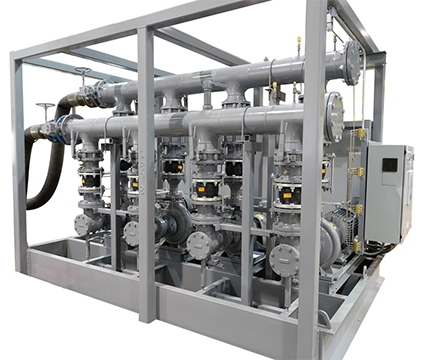
Modern designs also include packaged units that simplify installation. Pre-built systems reduce on-site work and improve setup accuracy. So while HVAC may be easier to install initially, hydronic systems offer more design flexibility in the long run.
- Maintenance and Long-Term Reliability
Maintenance needs differ between the two systems. HVAC systems require regular duct cleaning. Dust, debris, and leaks affect performance. Air filters also need frequent replacement.
A hydronic system requires less frequent maintenance. Since it uses sealed piping, there is less exposure to dirt and air contaminants. Pumps and valves need periodic checks, but overall maintenance remains lower.
Hydronic systems also tend to last longer. Pipes and water-based systems experience less wear compared to air-based systems with moving air components.
Noise is another factor. HVAC systems often produce noticeable airflow noise. Hydronic systems operate quietly since water moves through pipes without forced air. For long-term reliability, hydronic systems often provide a more stable and durable solution.
- Comfort and Indoor Experience
Comfort goes beyond temperature. It includes how the environment feels. HVAC systems push air into rooms. This can create drafts and uneven airflow. Some areas feel colder or warmer depending on vent placement.
A hydronic heating cooling system provides more even comfort. Heat radiates from surfaces like floors or panels. This creates a steady temperature across the space. Another difference is air quality. HVAC systems circulate air continuously. This can spread dust, allergens, and particles if filters are not maintained properly.
Hydronic systems do not rely on air movement. This reduces airborne particles and improves indoor air conditions. Humidity control also differs. HVAC systems can dry out indoor air during heating cycles. Hydronic systems maintain more natural humidity levels since they do not blow air.
Because of these factors, many people find hydronic systems more comfortable in both residential and commercial settings.
Conclusion
Choosing between HVAC and hydronic systems depends on your building needs. HVAC systems are easier to install and widely used. They work well for basic heating and cooling.
A hydronic heating cooling system offers better efficiency, quieter operation, and more consistent comfort. It uses water to transfer heat, which reduces energy loss and improves temperature control.
Over time, hydronic systems often provide better performance and lower maintenance needs. They also support advanced system designs used in modern buildings.
If your goal is long-term efficiency and stable comfort, hydronic systems are worth serious consideration. Understanding how each system works helps you make the right decision for your space.