Sign up with Google
 Sign in with Zoho

Skin conditions can be confusing and frustrating, especially when two common disorders share similar symptoms. Many people struggle to distinguish between psoriasis and eczema, often using the terms interchangeably. However, these are distinct medical conditions that require different approaches for effective management. Understanding the unique characteristics of each condition helps you seek appropriate treatment and control symptoms more effectively.
Both psoriasis and eczema cause inflammation, itching, and uncomfortable skin changes. The similarities end there. These conditions have different origins, trigger different immune responses, and respond to different treatment strategies. Learning to recognize the distinctions can make a significant difference in your quality of life and skin health.
Understanding the Fundamental Differences
When you learn about psoriasis vs eczema, you discover that they originate from different biological processes. Eczema, also called dermatitis, stems from a compromised skin barrier and heightened skin sensitivity. Your skin lacks certain natural oils and proteins that help maintain moisture, leading to dry, irritated patches. This condition develops when your immune system overreacts to irritants or allergens in your environment.
Psoriasis operates on a completely different mechanism. This autoimmune disease causes your immune system to attack healthy skin cells, accelerating the skin cell growth cycle. Instead of the normal 28-day renewal process, psoriasis causes cells to regenerate in just three to four days. This rapid turnover creates thick, scaly plaques that appear red, inflamed, and often painful.
Identifying Symptoms and Appearance
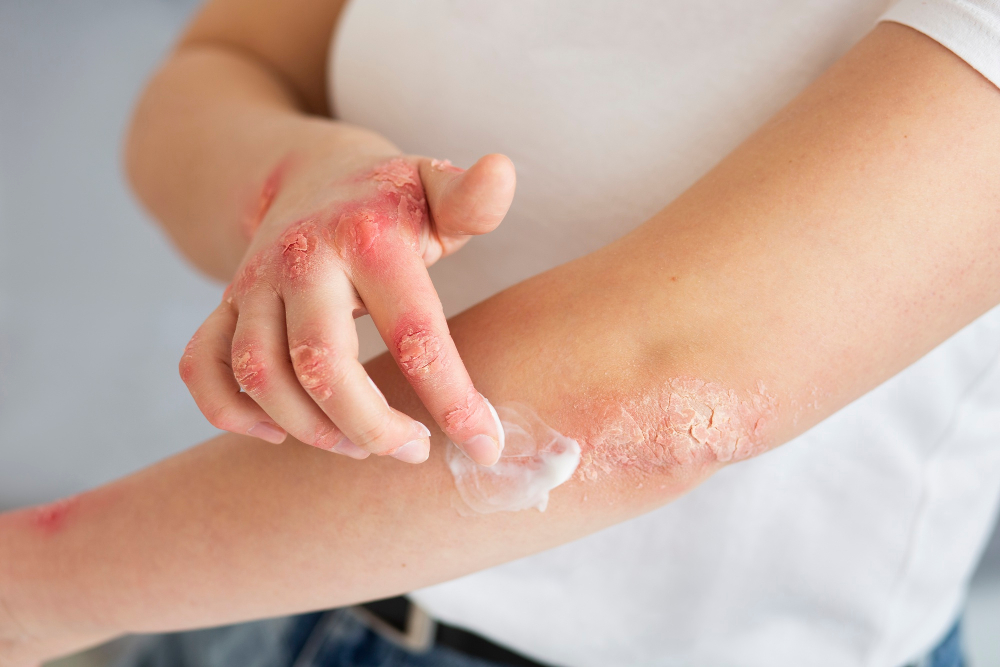
The visual presentation offers important clues when distinguishing between these conditions. Eczema typically appears as red, itchy patches that may blister or weep fluid. The affected areas often feel extremely tender and sensitive. Eczema commonly develops in the creases of joints, behind the ears, on the hands, and on the face. The itching from eczema can be severe, leading to a scratch-itch cycle that damages the skin barrier further.
When examining psoriasis vs eczema characteristics more closely, psoriasis displays distinct, thick, silvery scales over red, inflamed patches. These plaques have well-defined borders and typically appear on the elbows, knees, scalp, and lower back. Psoriasis itching ranges from mild to intense, and the skin may crack, bleed, or become painful. Some people experience nail changes, including pitting or separation from the nail bed.
Exploring Underlying Causes and Triggers
Environmental factors and personal sensitivity play major roles in eczema development. Common triggers include harsh soaps, detergents, fragrances, extreme weather conditions, stress, and allergens like dust mites or pet dander. Genetics influence your predisposition to eczema as well. If your parents had eczema or other allergic conditions, your risk increases significantly.
Psoriasis involves genetic and immune system components. You cannot catch psoriasis from someone else, as it stems from your own immune system malfunction. However, family history strongly influences whether you develop this condition. Additionally, psoriasis often flares in response to stress, infections (particularly strep throat), injuries to the skin, and certain medications.
Treatment Approaches for Each Condition
Managing eczema focuses on restoring skin barrier function and preventing flare-ups. When researching psoriasis vs eczema treatment options, you'll find that eczema management emphasizes moisturizing regularly with fragrance-free products. Taking shorter, cooler baths and using gentle cleansers helps protect your skin barrier. Dermatologists often recommend topical corticosteroids or calcineurin inhibitors for flare-ups, while antihistamines can help control itching.
Psoriasis treatment strategies target the immune system dysfunction. Topical treatments like corticosteroids and vitamin D analogs address mild cases. Phototherapy, where controlled UV light exposure slows skin cell growth, proves effective for many patients. Systemic medications and biologic therapies help people with moderate to severe psoriasis by modulating the immune response. These advanced treatments can significantly improve the quality of life for those with extensive symptoms.
Key Diagnostic Considerations
Your dermatologist can typically distinguish between these conditions through visual examination and patient history. However, a skin biopsy provides definitive confirmation when the diagnosis remains unclear. During a biopsy, the doctor removes a small skin sample for microscopic analysis. The cellular patterns observed under magnification clearly show whether the condition involves immune-mediated inflammation (psoriasis) or barrier dysfunction with allergic inflammation (eczema).
Managing Daily Life with These Conditions
Successfully living with either condition requires understanding your personal triggers and maintaining consistent skincare routines. For eczema sufferers, identifying specific triggers through keeping a symptom diary can reveal patterns. Then you can proactively avoid these triggers when possible. Wearing soft, breathable clothing and maintaining adequate humidity in your environment provides relief.
Psoriasis management involves stress reduction, since emotional stress frequently triggers flare-ups. Exercise, meditation, and counseling can help manage stress effectively. Maintaining a healthy weight and avoiding smoking also supports better psoriasis control. Sunlight exposure often benefits psoriasis, though you should balance this with skin cancer prevention.
The Importance of Professional Guidance
Understanding psoriasis vs eczema empowers you to communicate effectively with healthcare providers about your symptoms. A qualified dermatologist can provide an accurate diagnosis, recommend appropriate treatments, and adjust your management plan as needed. Regular monitoring helps catch complications early and ensures your treatment remains effective.
Moving Forward with Confidence
While both psoriasis and eczema present challenges, modern treatment options offer real hope. Advances in dermatological science continue to expand the arsenal of effective therapies. Whether you're dealing with eczema's barrier dysfunction or psoriasis's immune complications, professional support combined with personal diligence can significantly improve your skin health and comfort.
Learning to distinguish between psoriasis vs eczema represents the first step toward effective management. Each condition demands specific strategies tailored to its underlying cause. By working closely with dermatologists and making informed lifestyle choices, you can minimize symptoms, prevent flare-ups, and enjoy healthier, more comfortable skin regardless of which condition affects you.