 Sign up with Google
 Sign in with Zoho


Creating art takes patience. Printing it takes judgment.
For painters, illustrators, and photographers, artwork printing is not simply pressing “print.” It is the translation of vision into a physical form that holds tone, texture, and intention. Professional artwork printing services work with calibrated systems, archival inks, and carefully chosen substrates so that the final piece doesn’t just look good — it lasts.
In simple terms: artwork printing means producing high-fidelity reproductions of original art or photographs using archival materials, color-managed workflows, and fine art papers designed to preserve detail and longevity.
That distinction matters more than many expect.
What Artwork Printing Really Means
A professional photo printing lab does far more than run large printers all day. Behind the scenes, there’s:
· Color calibration aligned to industry standards
· Archival pigmented inks rated to resist fading for decades
· Curated paper for art prints such as cotton rag, textured matte, or baryta surfaces
· File preparation checks to prevent banding, dull shadows, or blown highlights
Giclée — often referenced in giclee printing services — uses high-resolution inkjet technology with pigment-based inks on archival substrates. When done properly, these prints can hold color integrity for 100+ years under proper conditions. That longevity is not accidental. It’s engineered.
Professional printing is less about machinery and more about stewardship of the image.
Common DIY Printing Mistakes Artists Make
Many artists try printing at home at least once. It feels economical. It feels independent. But printing fine art at home often turns into an expensive learning curve.
Here’s where things tend to go sideways:
· Incorrect color profiles: What looks vibrant on screen turns muddy in print.
· Low-grade inks: Dye-based inks fade faster than expected.
· Improper paper selection: Using glossy stock for textured artwork flattens the visual depth.
· Clogged nozzles or banding: Subtle lines appear in large areas of color.
· Scaling errors: Cropped edges or distorted proportions.
An illustrator once shared how she printed a limited run at home for a weekend market. Under gallery lights, the blues shifted toward purple and the shadows lost separation. The prints sold — but she later admitted they didn’t represent her best work. That experience nudged her toward a professional photo lab, and she never looked back.
DIY printing works for drafts. For portfolio pieces or gallery submissions, it often falls short.
How Professional Printing Preserves Color & Detail
There’s a quiet difference between “close enough” and “exact.” Professional artwork printing services lean toward the latter.
1. Archival Pigmented Inks
Pigment inks sit on the paper surface differently than dye inks. They resist UV exposure and environmental breakdown. Over time, that matters. Fading is slow and gradual rather than abrupt.
2. Premium Substrates
The choice of paper for art prints shapes the emotional tone of the piece.
· Hahnemühle and Moab cotton rag enhance fine detail and provide subtle texture.
· Baryta-style papers deepen blacks in photography.
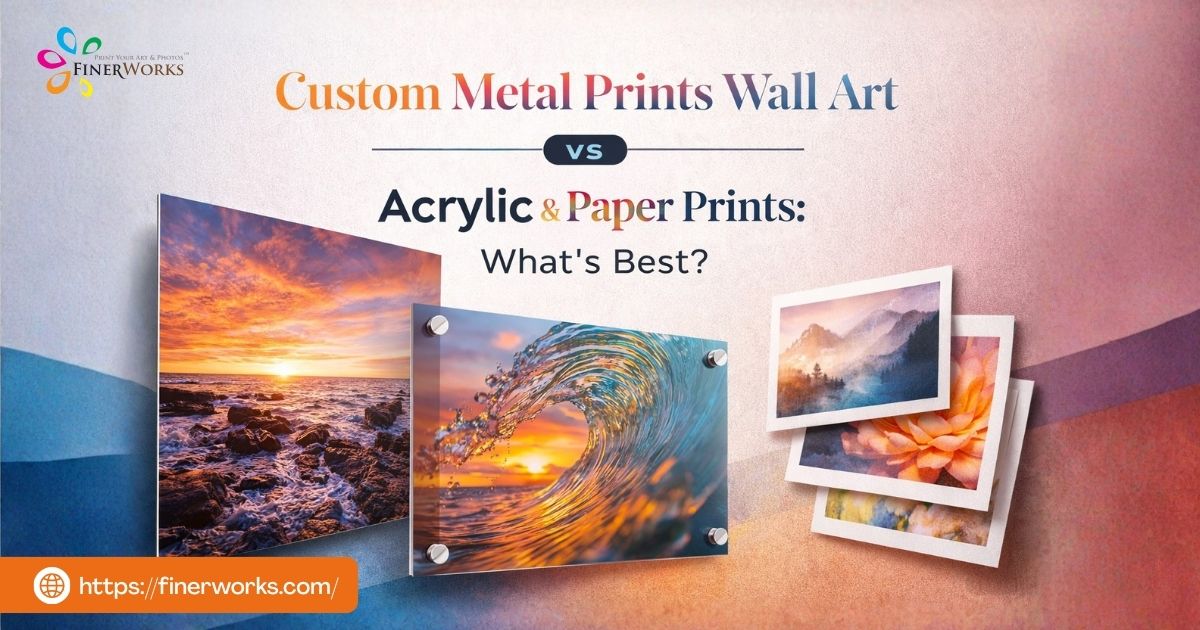
· Metal prints on aluminum panels intensify contrast and clarity.
· Wood panels or acrylic mounts shift the aesthetic entirely, adding dimension.
Paper isn’t a backdrop; it’s part of the artwork’s voice.
3. Color-Managed Workflow
Professional labs calibrate monitors, printers, and profiles. Files get checked before output. This avoids crushed shadows or blown-out highlights — mistakes that quietly sabotage strong compositions.
When color accuracy clicks into place, viewers feel it instantly. The print breathes.
Real Example: Gallery-Ready Prints vs Home Prints
Picture two landscape photographs displayed side by side.
The first: printed at home on mid-range glossy stock. Colors look acceptable. From a distance, it passes.
The second: produced through professional giclee printing services on textured cotton rag. The shadow gradients transition smoothly. Fine details in tree branches remain crisp. The surface absorbs light rather than bouncing it harshly.
Under gallery lighting, the difference widens. The home print feels flat. The professional print carries depth — almost tactile.
A curator once remarked that collectors often decide within seconds whether a print feels “serious.” That instinctive judgment frequently comes down to print quality.
Art speaks through medium as much as image.
Exploring Core Professional Printing Options
Fine art labs typically provide a wide spectrum of formats:
Giclée Fine Art Prints
Museum-grade reproductions using archival pigment inks on premium papers. Ideal for limited editions and gallery sales.
Canvas Prints
Available in matte, gloss, or metallic finishes. Offered as stretched gallery wraps or unmounted rolls. Canvas softens transitions and adds painterly character.
Specialty Media
· Metal Prints: High-definition aluminum or Dibond® panels for modern impact.
· Wood & Acrylic: Images infused into maple panels or printed behind acrylic glass for depth and vibrancy.
Photo & Poster Prints
Standard photo papers such as Kodak Professional stock for high-volume retail or event sales.
Custom Products
Beyond wall art, some labs produce personalized cards, puzzles, ceramic tiles, tote bags, and even glass cutting boards. These extensions open additional revenue channels for artists.
Choosing the right medium depends on audience, display setting, and price point. There’s no one-size-fits-all approach.
When to Choose a Fine Art Photo Lab
Not every project requires museum-grade production. But certain situations call for stepping up:
· Preparing for gallery exhibitions
· Selling limited edition runs
· Delivering commissioned portrait work
· Building a serious portfolio
· Entering juried competitions
In those moments, cutting corners tends to backfire. As the saying goes, “The bitterness of poor quality lingers long after the sweetness of low price fades.”
Professional photo printing lab environments take the pressure off artists so they can concentrate on creating rather than troubleshooting.
Outsourcing printing doesn’t dilute artistic control — it sharpens it.
FAQs
1. What is the difference between giclée and regular inkjet printing?
Giclée uses archival pigment inks and fine art substrates with calibrated workflows. Regular inkjet printing often relies on dye inks and standard papers, which may fade faster.
2. How long do professional art prints last?
With archival materials and proper display conditions, high-quality giclée prints can maintain color integrity for several decades, sometimes over 100 years.
3. Does paper choice really matter?
Absolutely. The texture, weight, and coating of paper shape contrast, color depth, and tactile feel. Selecting the right paper for art prints influences how viewers experience the work.
4. Are metal or acrylic prints suitable for fine art?
Yes. These formats suit contemporary styles, photography, and commercial displays where bold contrast and durability are priorities.
5. Is professional artwork printing expensive?
Costs vary by material and size. While more than basic home printing, professional results often justify the investment for exhibition or resale purposes.
Conclusion
Artwork deserves careful handling at every stage, especially when moving from screen or canvas into physical form. Professional artwork printing services preserve color accuracy, texture, and longevity in ways that home setups rarely match. The difference may seem subtle at first glance, yet under proper lighting and over time, quality reveals itself. For artists and photographers serious about presentation, printing is not an afterthought — it is part of the craft.