 Sign up with Google
 Sign in with Zoho
Many vehicle owners put off repairs when a car still seems drivable. A little bouncing, an occasional clunk, or uneven tire wear may not appear urgent, especially when the vehicle continues to start and run normally. However, suspension problems can gradually affect other components and increase the cost of keeping a vehicle in good condition.
How can suspension repair help prevent costly vehicle damage?
Timely suspension repair can help prevent worn or damaged components from placing additional stress on connected parts. Addressing problems with shocks, struts, springs, bushings, and control arms can also help reduce suspension-related tire wear and maintain predictable vehicle handling.
The key is identifying the cause early. Not every suspension problem leads to extensive damage, but ignoring clear warning signs can allow a manageable repair to become more complicated.
1. It helps protect your tires from premature wear
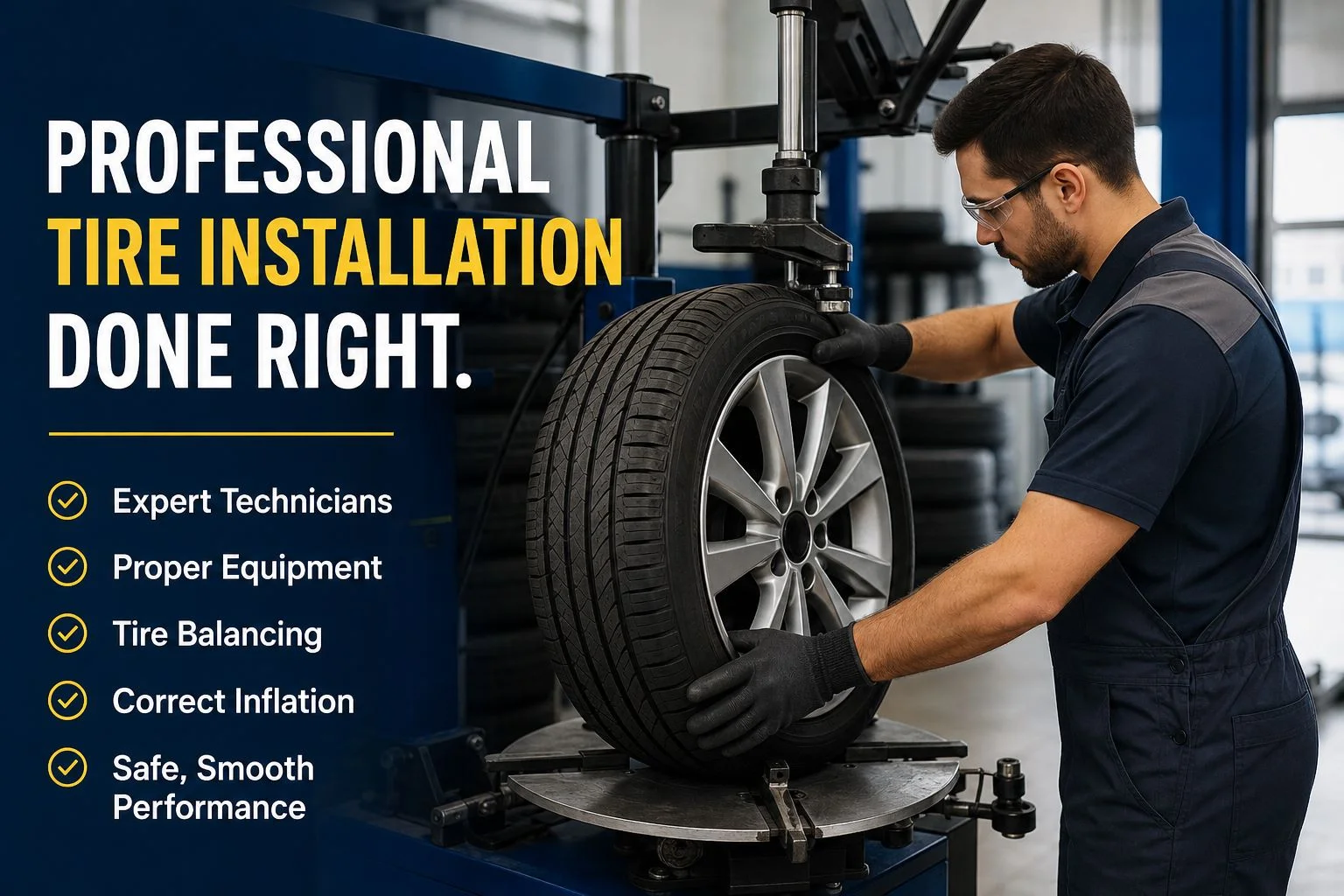
Tires are expensive to replace, so getting the most practical service life from them matters. Suspension components help control wheel movement and maintain proper positioning as your vehicle travels over different surfaces.
When certain components wear out, the wheels may no longer maintain their intended movement or alignment. This can contribute to irregular tire wear.
Watch for these signs:
- One tire wearing faster than the others.
- Excessive wear along the inside or outside edge.
- Uneven patches across the tread.
- Repeated tire wear after replacement.
- Changes in handling alongside visible tread damage.
Suspension wear is not the only possible cause. Incorrect tire pressure and poor wheel alignment can produce similar symptoms.
A technician can inspect the tires and suspension together to determine what needs attention. Correcting the underlying issue may help protect your next set of tires from avoidable wear.
2. It can reduce additional stress on connected components
Your suspension contains multiple interconnected parts. Shocks, struts, springs, bushings, ball joints, and control arms work together to manage wheel movement and support vehicle stability.
When one component becomes excessively worn or damaged, other parts may experience movement or loading outside their intended operating conditions.
For example, a deteriorated bushing may allow excessive movement in a connected assembly. A damaged spring can affect ride height and place other components in an abnormal position.
Early diagnosis helps identify whether the problem is isolated or whether related parts have also been affected.
This does not mean every worn component will damage the entire suspension system. It means repairs should be based on the condition of the complete assembly rather than treating each symptom separately.
3. It supports predictable steering and handling
A vehicle that wanders, pulls, or feels unstable can be difficult to control, particularly during lane changes or turns.
Suspension and steering components help maintain the correct relationship between the wheels and the vehicle. When important joints or mounting points become worn, handling can change.
Delaying an inspection may allow the problem to worsen, making the vehicle increasingly uncomfortable or difficult to control.
A professional assessment can determine whether the cause involves suspension wear, steering components, tire condition, or wheel alignment.
If the vehicle suddenly becomes unstable or steering feels unusually loose, stop driving when safe and arrange professional assistance.
4. It may help avoid more complicated repair work
A small problem does not always remain small. For example, a minor noise caused by a worn bushing may become more noticeable as the part deteriorates. A damaged suspension component may also affect nearby parts or change wheel positioning.
Timely inspection gives a technician an opportunity to identify the issue and explain the available repair options.
When reviewing an estimate, ask:
- Which component has failed or worn beyond acceptable limits?
- Is the repair necessary for safe operation?
- Have connected components been inspected?
- Will wheel alignment or another follow-up service be needed?
- What could happen if the repair is delayed?
These questions help you understand the repair instead of approving work without knowing why it is necessary.
5. It helps maintain ride comfort
Suspension components absorb impacts and control body movement. Worn shocks or struts may allow excessive bouncing, while damaged springs and bushings can contribute to harshness or unusual noises.
Continuing to drive with these symptoms may make everyday trips less comfortable and can distract you from other important driving conditions.
Replacing components when necessary helps restore the intended suspension performance. A proper inspection can also rule out other causes, such as tire problems or loose exhaust components.
What can you do to avoid expensive suspension problems?
You cannot prevent all suspension wear, but practical maintenance habits can help you spot problems early.
Follow these steps:
- Pay attention to road conditions: Slow down when approaching potholes, rough pavement, and speed bumps.
- Check tire pressure: Use the pressure specified by the vehicle manufacturer.
- Monitor tread wear: Look for uneven patterns that could indicate a suspension or alignment concern.
- Respond to unusual noises: Arrange an inspection if clunking, knocking, or persistent squeaking develops.
- Keep maintenance records: Document previous repairs and recurring symptoms to help your technician identify patterns.
- Request a professional inspection: Have the suspension checked when handling changes or visible damage appear.
Avoid replacing components based solely on mileage or a general recommendation. Their actual condition, vehicle specifications, and safety requirements should guide the decision.
Why should you choose a professional suspension inspection?
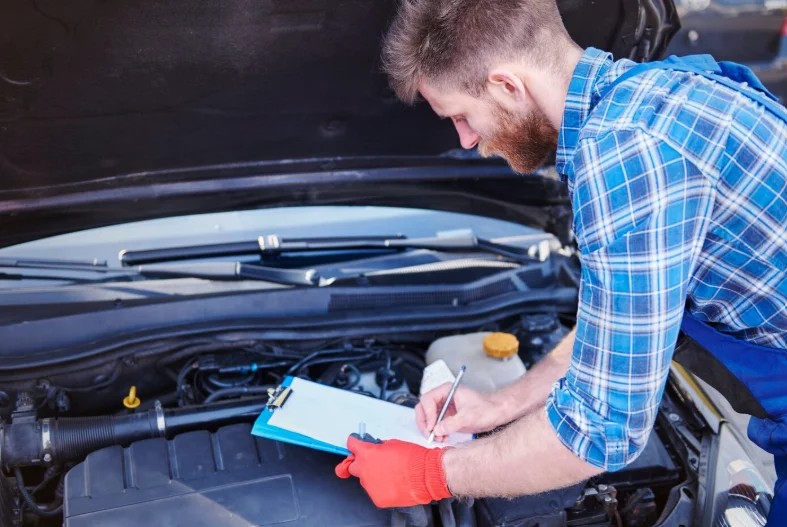
Suspension systems can be difficult to assess without the correct tools and experience. Some worn joints may have little visible damage, while other components can appear normal despite having excessive movement.
Professional technicians can inspect the system, identify damaged parts, and explain which repairs are necessary. Patriot Express Tire & Oil offers suspension diagnostics, inspections, and component replacement in Plano, Texas.
Patriot Express
A clear diagnosis helps you prioritize safety concerns, understand the repair estimate, and avoid spending money on parts that do not address the problem.
Frequently Asked Questions
Is it cheaper to repair suspension problems early?
Early repairs may cost less when a problem is limited to one component, although the actual cost depends on the vehicle and the damage. An inspection helps establish whether other parts also need attention.
Can bad suspension damage new tires?
Yes, certain suspension faults can contribute to uneven or accelerated tire wear. Incorrect alignment and tire pressure can also cause this problem, so the underlying cause should be identified before replacing tires again.
Final Thoughts
Putting off suspension maintenance can affect tire life, vehicle handling, and the condition of connected components. Early diagnosis helps you understand what is wrong and decide which repairs should be completed first. If your vehicle bounces excessively, makes unusual noises, or develops uneven tire wear, arrange an inspection rather than waiting for the symptoms to become more severe.