Sign up with Google
 Sign in with Zoho

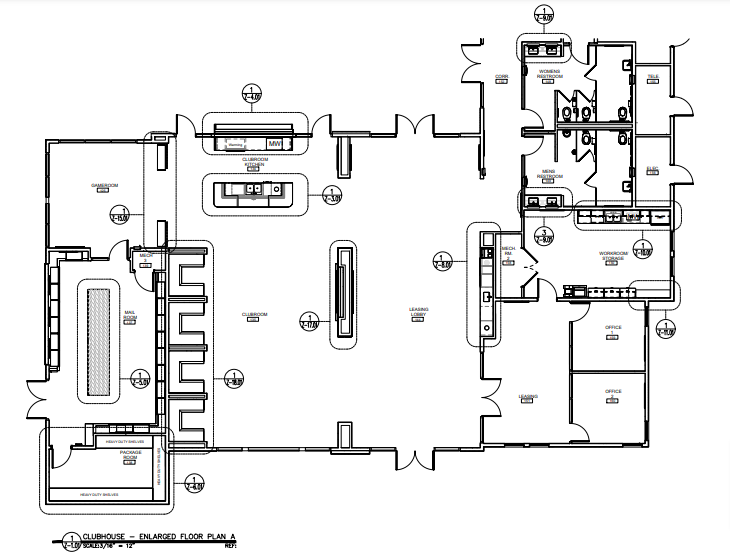
The success of any architectural or interior design project relies heavily on precision. A single measurement error can cause massive delays, waste expensive materials, and frustrate everyone involved. This is exactly why accurate drafting is so vital. It forms the bridge between a designer’s vision and the manufacturer’s reality.
Finding the right team to handle your drafting needs is a critical step for your business. The market is filled with vendors claiming to offer the best quality and speed. Sorting through these claims requires a clear understanding of what makes a drafting partner truly effective.
By reading this guide, you will learn exactly what to look for when evaluating potential partners. We will cover the essential traits of a reliable provider, the warning signs of a poor one, and the exact questions you need to ask before signing a contract.
Understanding Millwork Shop Drawings: A Brief Overview
Before evaluating providers, it helps to understand the core function of these documents. Millwork shop drawings are highly detailed plans used by manufacturers to build custom woodwork, cabinetry, and architectural elements. They take the broad concepts from architectural blueprints and break them down into exact dimensions, material specifications, and assembly instructions.
These drawings eliminate guesswork on the factory floor. They ensure that every joint aligns properly and that the final product fits perfectly into the designated space. High-quality millwork shop drawings services save time and money by catching design clashes before any wood is ever cut.
Key Considerations When Choosing a Service Provider
Selecting the right partner involves looking past their marketing materials and examining their actual capabilities. Here are the most important factors to evaluate.
Experience and Expertise
Look for a provider with a proven track record in your specific industry. Designing standard office cabinets requires a different skill set than detailing complex curved staircases for a luxury hotel. A team with extensive experience will anticipate manufacturing challenges and suggest practical solutions early in the process.
Technology and Software
The drafting industry relies heavily on advanced software. Your provider should be proficient in industry-standard programs like AutoCAD, Cabinet Vision, Microvellum, or SolidWorks. Using updated technology ensures that the drawings are accurate and can be easily integrated into your manufacturing equipment, such as CNC machines.
Communication and Collaboration
A drafting project is a collaborative effort. Your provider needs to be highly responsive and willing to ask for clarification when a design detail is ambiguous. Clear communication prevents minor misunderstandings from snowballing into expensive manufacturing errors.
Quality Control and Accuracy
Mistakes in shop drawings directly translate to mistakes on the factory floor. Ask potential providers about their internal review processes. A reliable firm will have multiple layers of quality checks to ensure every dimension, material tag, and hardware specification is completely accurate before the files are delivered to you.
Turnaround Time and Reliability
Construction schedules are famously tight. A delay in receiving your shop drawings will stall the entire manufacturing process. You need a partner who can provide realistic delivery estimates and consistently meet their deadlines without sacrificing the quality of their work.
Cost-Effectiveness and Pricing Models
While you should never choose a provider based on price alone, you do need to understand their billing structure. Some firms charge by the hour, while others offer a fixed price per project. Make sure you know exactly what is included in their fee, especially regarding revisions and late-stage design changes.
Red Flags to Watch Out For
As you speak with different companies, keep an eye out for these warning signs:
- Unusually low pricing that seems too good to be true.
- A reluctance to share samples of their past work.
- Poor communication during the initial consultation phase.
- Vague answers about their quality control procedures.
- No clear process for handling client feedback and revisions.
Questions to Ask Potential Providers
To thoroughly evaluate a vendor, ask them these direct questions during your discovery calls:
- Can you provide examples of projects similar to mine?
- What specific software do your drafters use?
- How do you handle revisions, and are they included in the initial quote?
- What is your average turnaround time for a project of this size?
- How do you ensure that your drawings comply with local manufacturing standards?
Case Studies and Examples of Successful Partnerships
Reviewing past successes can give you confidence in a provider. For example, Chudasama Outsourcing has built a strong reputation by partnering with woodworking companies to streamline their production lines. By delivering highly accurate, CNC-ready files on strict deadlines, they help clients reduce material waste and take on larger volumes of work. When reviewing a potential partner, ask for similar success stories that demonstrate a tangible return on investment.
Making an Informed Decision for Your Project
Choosing the right drafting partner is an investment in the future of your manufacturing process. By prioritizing experience, communication, and strict quality control, you can find a team that acts as a true extension of your business. Take the time to ask hard questions, review their portfolio, and ensure their technological capabilities match your manufacturing needs.
With the right provider, your projects will run more smoothly, your margins will improve, and your team can focus on what they do best: building exceptional products.