Sign up with Google
 Sign in with Zoho

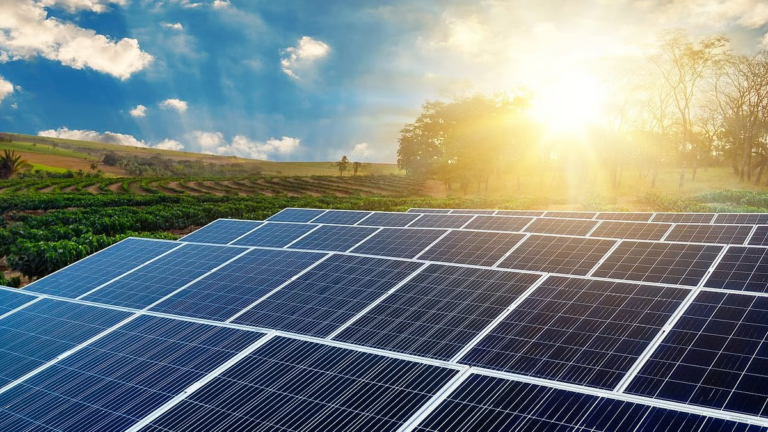
With rising electricity costs and increasing awareness about clean energy, installing a solar plant for home has become a smart and future-ready investment. However, one of the most common questions homeowners face is: Which solar system size is right for my house?
From 1kW to 10kW solar power plants, each system size is designed to meet different energy needs. In this guide, we’ll help you understand how to choose the perfect system based on your consumption, budget, and space availability.
Understanding Solar Power Plants for Homes
A solar power plant for residential use typically consists of solar panels, an inverter, wiring, and a mounting structure. These systems convert sunlight into electricity, reducing your dependency on grid power.
Choosing the correct size is crucial because:
- An undersized system won’t meet your energy needs
- An oversized system may increase unnecessary costs
What Does kW Mean in a Solar System?
The size of a solar power plant is measured in kilowatts (kW), which indicates how much electricity the system can generate under ideal conditions.
For example:
- A 1kW solar system can generate around 4–5 units per day
- A 5kW system can generate approximately 20 units per day
This varies depending on sunlight availability and location.
Solar System Size Guide: 1kW to 10kW
1kW Solar System
A 1kW solar plant for home is ideal for:
- Small households
- 1BHK homes
- Basic electricity needs (lights, fans, TV)
Key Features:
- Requires around 100 sq. ft. of rooftop space
- Generates 120–150 units per month
- Budget-friendly option for beginners
2kW Solar System
A 2kW solar power plant suits:
- Small families
- Moderate electricity usage
Suitable for:
- 1–2 air conditioners (limited use)
- Daily household appliances
3kW Solar System
This is one of the most popular choices for Indian homes.
Best for:
- Medium-sized families
- 2BHK homes
Benefits:
- Generates around 360–450 units per month
- Covers most household electricity needs
5kW Solar System
A 5kW solar plant for home is ideal for:
- Large families
- 3BHK houses
Key Highlights:
- Generates 600–750 units per month
- Can handle multiple ACs and appliances
7kW to 10kW Solar System
These systems are suitable for:
- Villas and large homes
- High electricity consumption households
Advantages:
- Significant reduction in electricity bills
- Suitable for running heavy appliances
Factors to Consider When Choosing the Right Solar System
1. Monthly Electricity Consumption
Check your electricity bill to find your average monthly usage. This is the most important factor in selecting the right solar power plant size.
2. Rooftop Space Availability
Each kW of solar panels requires approximately 80–100 sq. ft. of shadow-free space. Make sure your rooftop can accommodate the system.
3. Budget and Investment
Higher capacity systems cost more initially but offer better long-term savings. Government subsidies can reduce the cost of installing a solar plant for home.
4. Type of Mounting Structure
The durability and efficiency of your system depend heavily on the mounting structure. High-quality solar power plants GI structure ensures:
- Strong support for panels
- Resistance to harsh weather
- Long lifespan
GI (Galvanized Iron) structures are widely preferred in India due to their corrosion resistance and strength.
Importance of GI Structure in Solar Power Plants
A reliable solar power plants GI structure plays a crucial role in maintaining the performance of your solar system.
Benefits of GI Structures:
- Long-lasting and rust-resistant
- Ideal for Indian climate conditions
- Strong support for rooftop and ground-mounted systems
Choosing a trusted manufacturer ensures safety and durability. Companies like Chikara Enterprises provide robust and high-quality solar mounting structures that enhance system performance and longevity.
On-Grid vs Off-Grid Solar Systems
When installing a solar plant for home, you also need to choose between:
On-Grid System
- Connected to the electricity grid
- Allows net metering
- Cost-effective option
Off-Grid System
- Works independently of the grid
- Requires battery storage
- Suitable for areas with power cuts
How to Calculate the Right Solar System Size
Here’s a simple method:
- Check your monthly electricity consumption (units)
- Divide it by average daily generation (4–5 units per kW)
- Choose the nearest system size
Example: If your monthly usage is 600 units: 600 ÷ 30 = 20 units/day 20 ÷ 4 = 5kW system required
Common Mistakes to Avoid
- Ignoring rooftop direction and shading
- Choosing low-quality mounting structures
- Not considering future electricity needs
- Selecting the wrong system type
Benefits of Installing a Solar Plant for Home
- Reduced electricity bills
- Eco-friendly energy solution
- Increased property value
- Low maintenance cost
- Long-term savings
Conclusion
Choosing the right solar system size from 1kW to 10kW depends on your energy needs, rooftop space, and budget. A properly sized solar power plant ensures maximum efficiency and return on investment.
Additionally, investing in a durable solar power plants GI structure is equally important for long-term performance and safety. With the right planning and a trusted provider like Chikara Enterprises, you can enjoy reliable and cost-effective solar energy for years to come.
If you're planning to install a solar plant for home, now is the perfect time to switch to clean and sustainable energy.