Sign up with Google
 Sign in with Zoho
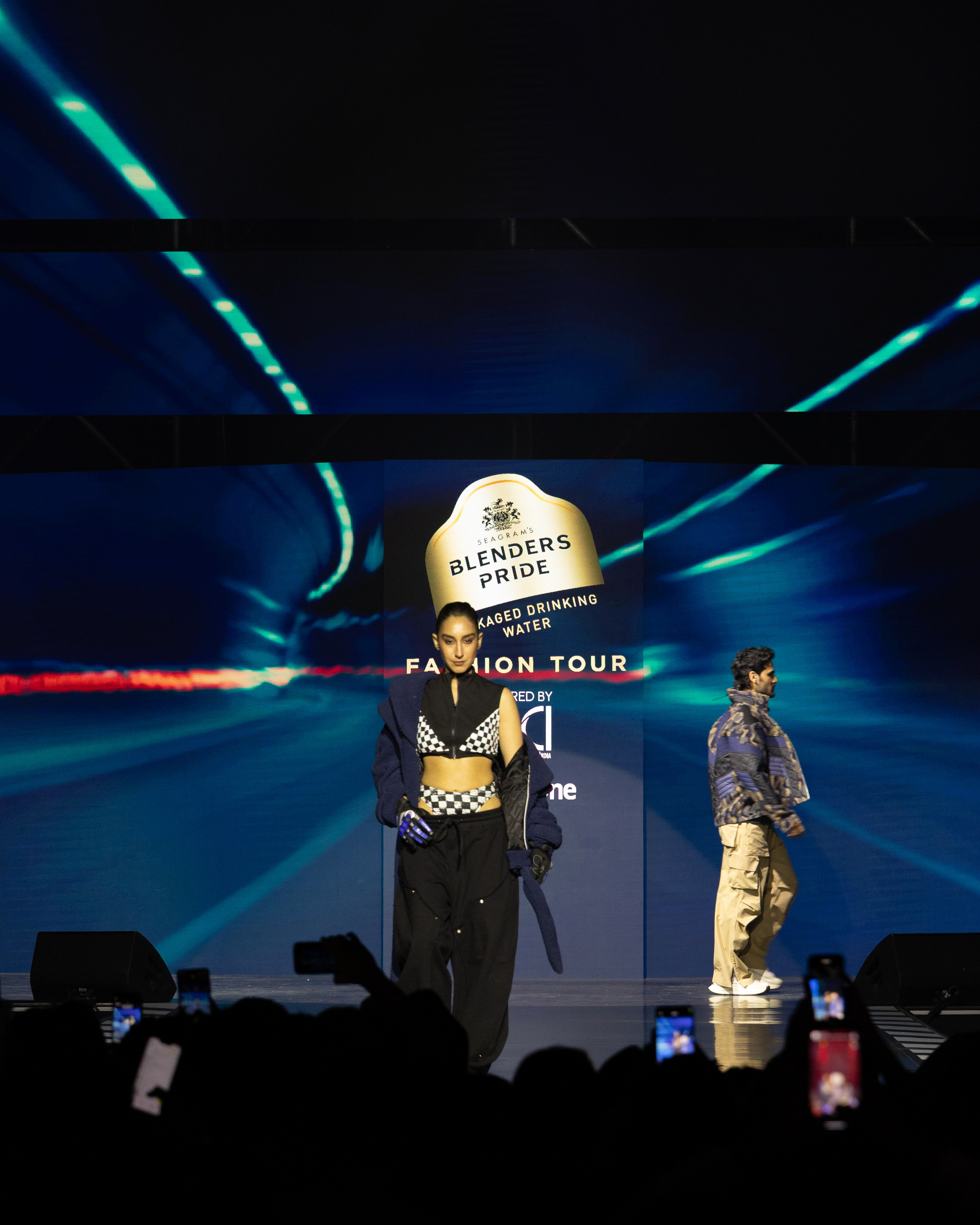
Fashion has always had a weird relationship with its own rules. But something about 2026 feels different — like a wire finally snapped. The kids who spent their teenage years deep in aesthetic rabbit holes on Tumblr and Depop, thrifting before it became a personality trait, have grown up. They're calling the shots now. And the rest of us? Honestly, just trying to keep up.
Spend any time near a runway, a street style moment, or even just Instagram lately, and you feel it. Gen Z fashion in 2026 isn't a seasonal update. It's more like a full cultural handover.
Individuality isn't a trend. It's the whole point
There used to be this unspoken agreement in fashion — pick a lane, commit to it, look put-together. That agreement is gone. What's actually driving what young people are wearing right now is something messier and far more interesting: the stacking of multiple identities onto one body, at the same time. Vintage denim over sheer evening wear. Oversized suiting with something barely-there underneath. It looks chaotic. It isn't.
Color works the same way. Saturated neons sitting right next to dusty, earthy neutrals. Metallics that somehow work at noon and at midnight without anyone changing a single thing. The palette of 2026 isn't trying to be subtle. It has no interest in whispering.
Sustainable, but make it spectacular
Here's what this generation figured out that previous ones didn't quite manage: sustainability doesn't have to be a compromise. One of the most consistent things running through the best looks of 2026 is the refusal to let "responsible dressing" mean boring dressing. Upcycled fabrics, deadstock textiles, handmade pieces with a real story behind them — these aren't niche choices being championed by a handful of eco-conscious designers. They're showing up on the most talked-about looks of the year, full stop.
And there's something deeper going on too. This generation genuinely understands that real originality can't be factory-replicated. The pieces people actually want in 2026 carry a history. Who made it. What it was before. Why it was worth keeping. Fashion with a conscience doesn't have to be a lecture. Right now, it's some of the most exciting stuff out there.
Gender as a starting point, not a destination
If there's one shift that defines this moment more than anything else, it's this: gendered dressing has stopped making sense to an entire generation, and the clothes are finally catching up. Fluid silhouettes, wrap-around draping, tailoring cut to fit actual human bodies regardless of anything else — these aren't experiments happening at the fringes anymore. They're just fashion now.
What's happening in India in particular is genuinely exciting. Corsets layered over kurtas. Sheer fabrics paired with structured blazers. Saris recut into proportions nobody quite anticipated. Heritage and avant-garde aren't in opposition here — they're in conversation, and the results are worth paying attention to.
Accessories became the whole outfit
At some point in the last year or so, accessories quietly stopped being the finishing touch and became the actual point. Chunky sculptural jewellery that looks closer to architecture. Bags so maximalist they pull focus from everything else. Footwear that refuses to be ignored. The unexpected pairing has become its own skill — strappy heels with cargo silhouettes, bejewelled hair pieces with deconstructed tailoring. The more surprising the combination, the harder it lands.
Why any of this actually matters
The thing worth paying real attention to isn't any individual trend. It's the reason behind all of it. Gen Z isn't getting dressed to fit in or to impress some imagined audience. They're getting dressed because it's one of the most direct ways to communicate this is who I am without having to sit anyone down and explain yourself.
Style, identity, politics, art — for this generation, those things aren't separate categories. They never were. In a world completely saturated with imitation and algorithm-chasing, that kind of clarity is rare.