Sign up with Google
 Sign in with Zoho

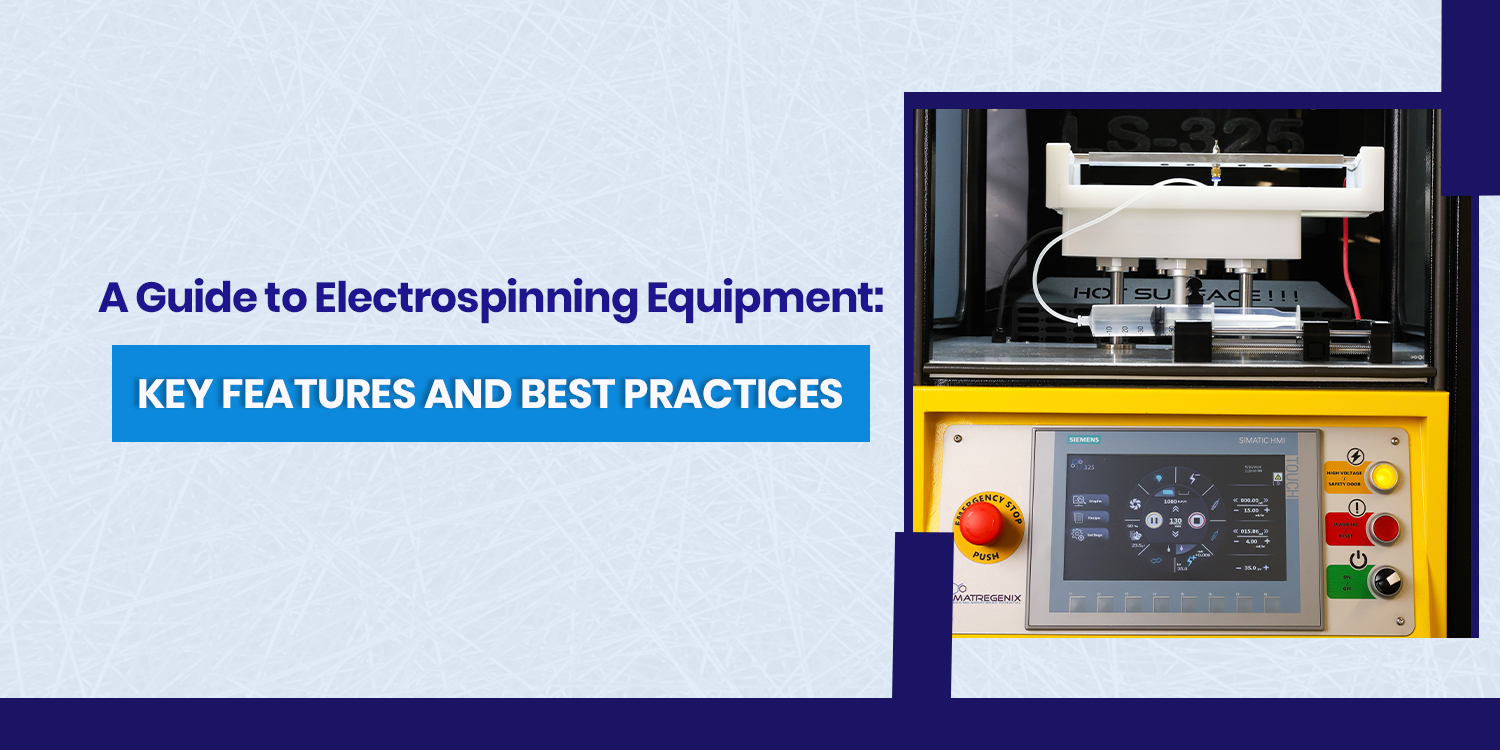
Electrospinning has become a cornerstone technique in advanced material science, enabling the production of ultra-fine nanofibers with remarkable precision. Whether you’re working in research, product development, or industrial manufacturing, understanding Electrospinning Equipment is essential for achieving consistent and high-quality results. In this guide, we’ll explore the key features of modern systems and share practical best practices to help you get the most out of your setup especially when working with reliable solutions from Electropsintek.
What is Electrospinning Equipment?
At its core, Electrospinning Equipment is designed to produce nanofibers by applying a high-voltage electric field to a polymer solution or melt. This process stretches the material into fine fibers, which are then collected on a grounded surface. The result is a nonwoven mat with unique properties such as high surface area, porosity, and mechanical strength.
Modern systems have evolved significantly, incorporating advanced controls, automation, and safety features to meet the growing demands of research labs and industrial environments.
Key Components of Electrospinning Equipment
To fully understand how Electrospinning Equipment works, it’s important to break down its primary components:
1. High-Voltage Power Supply
This is the heart of the system. It generates the electric field required to draw fibers from the polymer solution. A stable and adjustable power supply ensures consistent fiber formation.
2. Syringe Pump
The syringe pump controls the flow rate of the polymer solution. Precision here is crucial—too fast or too slow can affect fiber diameter and uniformity.
3. Spinneret (Needle)
The spinneret is where the solution exits the system. It plays a vital role in forming the Taylor cone, which is essential for fiber generation.
4. Collector
The collector gathers the electrospun fibers. Depending on your application, it can be a flat plate, rotating drum, or even a customized 3D surface.
5. Environmental Control System
Humidity and temperature significantly impact fiber morphology. Advanced Electrospinning Equipment from companies like Electropsintek often includes environmental controls to maintain optimal conditions.
Essential Features to Look For
Choosing the right Electrospinning Equipment can make a huge difference in performance and scalability. Here are some must-have features:
Precision Control
Look for systems with digital controls for voltage, flow rate, and distance. This allows for fine-tuning and repeatability.
Safety Mechanisms
High voltage can be dangerous, so built-in safety features like emergency shut-off, interlocks, and enclosed chambers are essential.
Scalability
If you plan to move from lab-scale to production, choose equipment that can be upgraded or scaled without major modifications.
Multi-Nozzle Capability
For higher throughput, multi-needle or needleless systems can significantly increase production rates.
Data Monitoring and Automation
Advanced systems from Electropsintek often include real-time monitoring and automated adjustments, reducing human error and improving efficiency.
Best Practices for Using Electrospinning Equipment
Even the most advanced Electrospinning Equipment requires proper handling and optimization. Here are some proven best practices:
Optimize Solution Properties
The viscosity, conductivity, and surface tension of your polymer solution directly affect fiber formation. Always test and refine your formulation before large-scale runs.
Maintain Proper Distance
The distance between the spinneret and collector influences fiber drying time and morphology. Adjust this parameter carefully for optimal results.
Control Environmental Conditions
Humidity can cause bead formation, while temperature affects solvent evaporation. Use controlled environments whenever possible.
Regular Maintenance
Clean the spinneret and other components regularly to prevent clogging and ensure consistent performance.
Start Small, Then Scale
Begin with small batches to optimize parameters, then gradually scale up using the same conditions.
Common Challenges and How to Overcome Them
Working with Electrospinning Equipment isn’t without its challenges. Here are a few common issues and solutions:
- Beaded Fibers: Adjust solution concentration or voltage settings.
- Jet Instability: Check flow rate and environmental conditions.
- Clogging: Ensure proper filtration of the polymer solution.
- Inconsistent Fiber Diameter: Fine-tune voltage and flow rate for better control.
Why Choose Electropsintek?
When it comes to reliable and high-performance Electrospinning Equipment, Electropsintek stands out as a trusted name. Their systems are designed with both beginners and experts in mind, offering:
- User-friendly interfaces
- Advanced safety features
- Customizable configurations
- Scalable solutions for research and industry
By investing in quality equipment, you not only improve your results but also save time and resources in the long run.
Final Thoughts
Mastering Electrospinning Equipment is key to unlocking the full potential of nanofiber technology. From understanding core components to implementing best practices, every detail matters. With the right setup and careful optimization, you can achieve consistent, high-quality results for a wide range of applications.
Whether you're just starting out or looking to upgrade your system, partnering with a reliable provider like Electropsintek ensures you stay ahead in this rapidly evolving field.