 Sign up with Google
 Sign in with Zoho

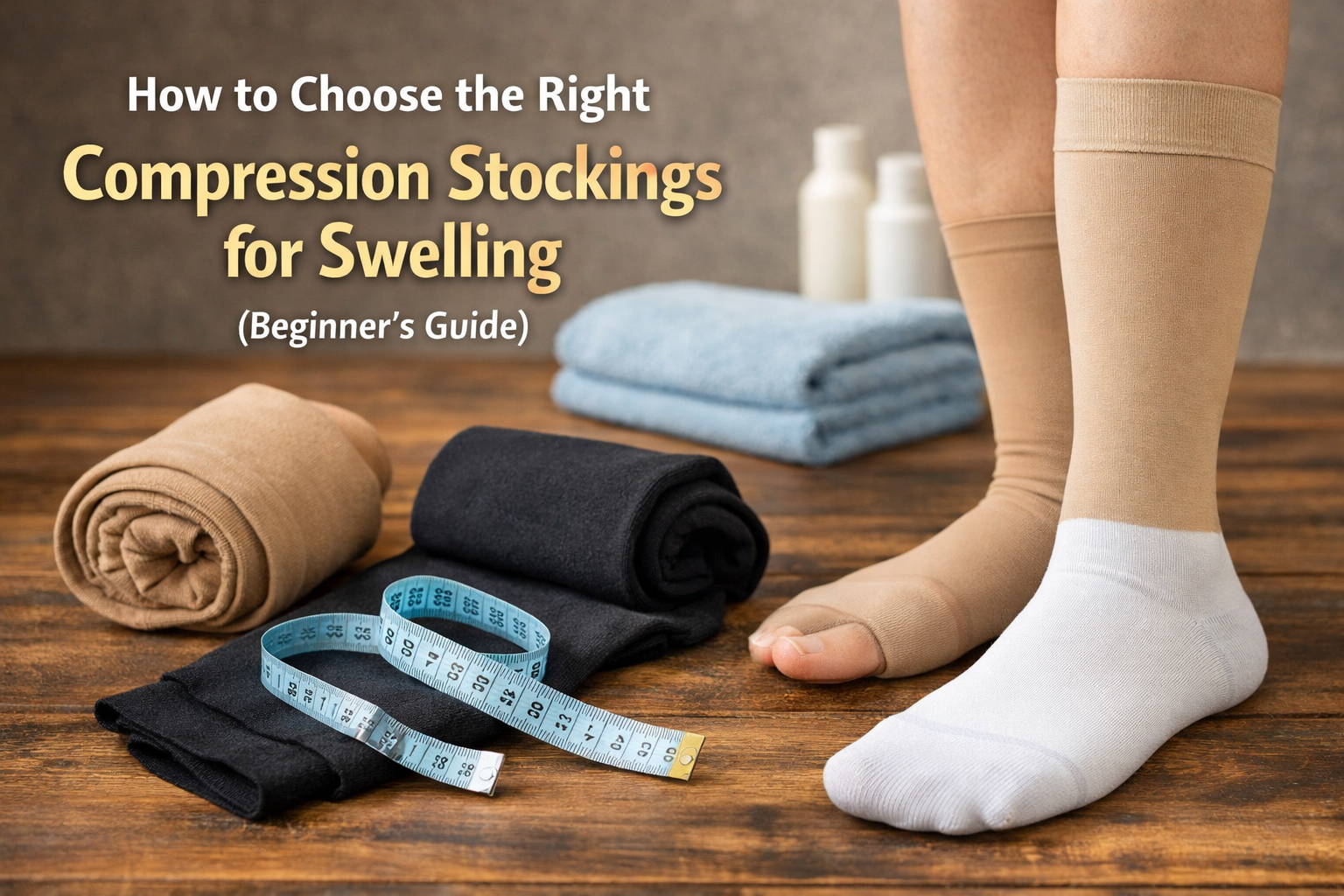
Swollen feet can turn even simple daily activities into a struggle. Whether it happens after long hours of standing, during travel, or due to a medical condition, the discomfort is real. The good news is that the right compression stockings can make a noticeable difference. The challenge is knowing which one to choose.
If you are new to this, this guide will help you understand what actually matters so you can pick the right support stocking for swollen feet without confusion.
Why Compression Stockings Help with Swelling
Compression stockings are designed to apply gentle pressure to your legs and feet. This pressure improves blood flow and prevents fluid from pooling in the lower extremities.
When used correctly, compression socks for swelling feet can help:
- Reduce puffiness and tightness
- Improve circulation
- Prevent fatigue after long hours of standing or sitting
- Support recovery after travel or minor injuries
The key is choosing the right type for your specific needs.
Understand Compression Levels First
One of the most important factors is the level of compression, which is measured in mmHg. This simply tells you how much pressure the stockings apply.
Here is a simple breakdown:
- Mild compression 8 to 15 mmHg Best for mild swelling and everyday comfort
- Moderate compression 15 to 20 mmHg Ideal for regular swelling, long workdays, and travel
- Firm compression 20 to 30 mmHg Suitable for more noticeable swelling or medical conditions
- Extra firm 30 mmHg and above Usually recommended by a doctor
If you are just starting out, moderate compression is often a safe and effective choice for most people dealing with swollen feet.
Choose the Right Length
Compression stockings come in different lengths, and choosing the wrong one can limit their effectiveness.
- Ankle length Good for mild foot swelling
- Knee high The most popular option for swelling in feet and ankles
- Thigh high or full length Better for swelling that extends above the knee
For most beginners, knee high compression socks for swelling feet are a practical and comfortable starting point.
Focus on Fit and Size
Even the best support stocking for swollen feet will not work if it does not fit properly. A stocking that is too tight can feel uncomfortable, while one that is too loose will not provide enough support.
To get the right fit:
- Measure your ankle circumference at the narrowest point
- Measure your calf at its widest point
- Check the sizing chart of the brand you are buying
Try to measure your legs in the morning when swelling is minimal for better accuracy.
Pick the Right Material
Material plays a bigger role than most people think. Since you may wear these for hours, comfort matters.
Look for:
- Breathable fabric for all day wear
- Moisture wicking material to keep feet dry
- Stretchable fabric that maintains compression without digging into the skin
If you live in a warm climate, lightweight and breathable compression socks are especially important.
Consider Open Toe vs Closed Toe
This often comes down to personal comfort and use case.
- Open toe stockings Great if your toes feel cramped or if you want more airflow
- Closed toe stockings Provide full coverage and are better for daily wear and protection
If your swelling is mainly in the feet, closed toe options usually offer better overall support.
Think About Your Daily Routine
Your lifestyle should guide your choice.
Ask yourself:
- Do you stand for long hours at work
- Do you travel frequently
- Do you need them for daily wear or occasional use
For example, someone working in retail or healthcare may need durable, all day compression socks, while a traveler might prioritize comfort and ease of use.
Ease of Use Matters
Many beginners struggle to put on compression stockings. If they are too difficult to wear, you are less likely to use them consistently.
To make things easier:
- Look for stockings with a bit of stretch
- Choose designs labeled easy to wear
- Use gloves or a stocking aid if needed
Consistency is what brings results, so comfort and convenience should not be ignored.
When to Seek Medical Advice
While compression socks for swelling feet are helpful, they are not always a one size solution.
You should consult a healthcare professional if:
- Swelling is sudden or severe
- You experience pain or skin changes
- You have conditions like diabetes or circulatory disorders
A doctor can guide you on the correct compression level and type for your condition.
Final Thoughts
Choosing the right support stocking for swollen feet does not have to be complicated. Focus on the basics like compression level, fit, length, and comfort. Start simple, pay attention to how your body responds, and adjust if needed.
The right pair can do more than just reduce swelling. It can help you move more comfortably, feel lighter on your feet, and get through your day with less discomfort.
If you are just getting started, pick a moderate compression knee high option and build from there. Small changes can lead to noticeable relief.
If you are looking for reliable and comfortable compression socks for swelling feet, Compression Socks Canada offers a wide range designed for both everyday use and medical support. Their products focus on proper fit, durability, and effective compression to help reduce discomfort and improve circulation. Explore their collection to find the right support stocking for swollen feet and take a step toward lasting relief.