Sign up with Google
 Sign in with Zoho

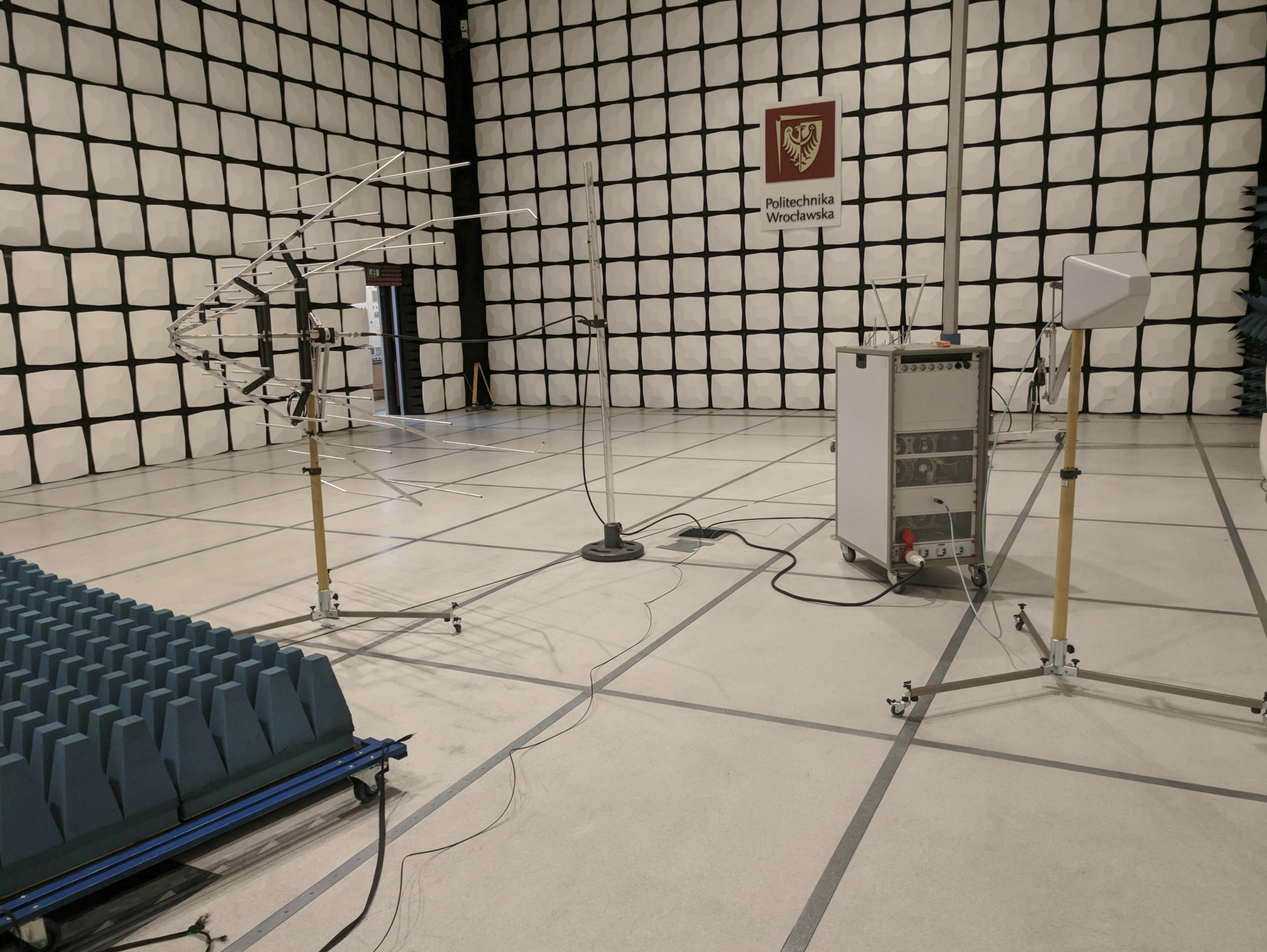
The race toward faster, more reliable wireless communication is reshaping how we connect, work, and live. At the heart of this transformation lies millimeter-wave (mmWave) technology, a cornerstone of 5G and beyond. But to unlock its full potential, engineers rely on specialized tools: mmWave antenna testing systems. These systems ensure that antennas perform at peak efficiency, paving the way for next-generation connectivity.
Here’s a guide that will explore these antenna testing systems and their future for next-generation connectivity.
Understanding mmWave Technology
Millimeter-wave technology refers to frequencies between 30 GHz and 300 GHz. These high-frequency signals can carry massive amounts of data at lightning speeds. However, they also face challenges such as a limited range and susceptibility to obstacles like walls or weather conditions.
This makes antenna design and testing critical. Without precise testing, the promise of ultra-fast downloads, seamless streaming, and real-time communication would remain out of reach.
Identifying the Role of Antennas in Next-Gen Connectivity
Antennas are the gateways between devices and wireless networks. For mmWave signals, antennas must be highly directional and capable of handling complex beamforming techniques.
Unlike traditional antennas, mmWave antennas often need to steer signals dynamically to maintain strong connections. Testing ensures that these antennas can adapt to real-world conditions, delivering consistent performance across diverse environments.
Knowing What mmWave Antenna Testing Systems Do
An mmWave antenna testing system is designed to measure how antennas perform under different scenarios. They evaluate parameters such as radiation patterns, gain, efficiency, and beam steering capabilities. By simulating real-world conditions, these systems help engineers refine antenna designs before deployment. Without them, networks could suffer from dropped connections, poor coverage, and reduced speeds.
An mmWave antenna testing system, like that from MilliBox, provides a compact and cost-effective solution that makes this process more accessible to researchers and developers. They also help shorten development cycles by providing quick, reliable feedback on antenna performance. In doing so, they accelerate innovation and ensure that next-generation connectivity reaches users faster and more efficiently.
Recognizing Testing for 5G and Beyond
The rollout of 5G networks depends heavily on mmWave technology. High-frequency signals enable features like ultra-low latency, massive device connectivity, and enhanced mobile broadband. But these benefits only materialize if antennas are tested thoroughly.
Testing ensures that devices can handle crowded urban environments, high-speed mobility, and interference from other signals. As industries prepare for 6G, testing will become even more important, supporting innovations such as holographic communication, autonomous vehicles, and immersive virtual experiences.
Expanding its Applications Across Industries
The impact of mmWave antenna testing extends far beyond smartphones. In healthcare, it supports telemedicine and remote surgery by enabling real-time data transmission. In automotive, it powers vehicle-to-everything (V2X) communication, improving safety and efficiency.
In manufacturing, it drives smart factories with connected sensors and robotics. Each of these applications relies on antennas that have been rigorously tested to ensure reliability under demanding conditions.
Learning the Innovations in Antenna Testing Systems
Advances in antenna testing systems are making it easier for engineers to evaluate performance without relying on massive, expensive facilities. Modern solutions are more compact, modular, and cost-effective, allowing research teams to simulate real-world conditions with greater flexibility.
Automated measurement tools and software integration also streamline the testing process, reducing time and improving accuracy. These innovations ensure that even smaller companies and research labs can contribute to the development of next-generation connectivity, accelerating progress across industries.
Conclusion
mmWave antenna testing systems are essential for unlocking the full potential of next-generation connectivity. By ensuring antennas perform reliably, they make possible the innovations that 5G and future networks promise.
From faster mobile experiences to smarter industries, these systems are the unsung heroes of our connected world. Without them, the vision of seamless, high-speed communication would remain a dream rather than reality.