
 Sign up with Google
 Sign in with Zoho
.webp)
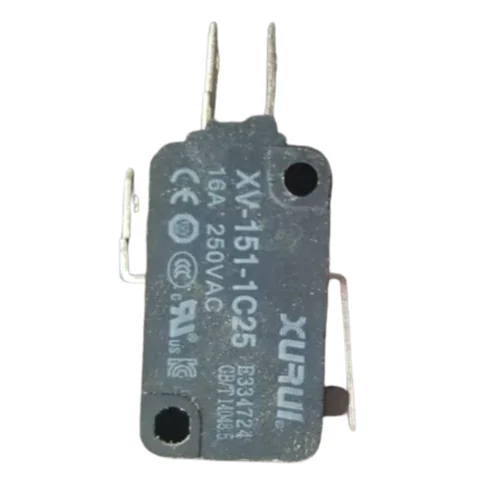
How Solid State Relays Improve Efficiency and Reliability in Modern Electrical Systems
Introduction
When I first started working with electrical control systems, I quickly realized that not all switching devices are created equal. Traditional mechanical relays had their place, but they often came with limitations—noise, wear and tear, and slower response times. That’s when I discovered the advantages of using a Solid State Relay, a solution that quietly transformed the way I approached system design.
What Is a Solid State Relay?
A solid state relay (SSR) is an electronic switching device that uses semiconductor components instead of moving mechanical parts. Unlike conventional relays, SSRs switch electrical loads without physical contact, which eliminates many common issues like arcing and mechanical failure.
From my experience, this simple design difference makes a huge impact. SSRs are not only faster but also significantly more durable, especially in demanding environments where reliability is critical.
Why I Prefer Solid State Relays
1. Silent Operation
One of the first things I noticed when switching to SSRs was the complete absence of clicking sounds. In environments where noise matters—like offices or medical equipment—this is a major advantage.
2. Longer Lifespan
Mechanical relays eventually wear out due to constant movement. SSRs, on the other hand, have no moving parts. This means fewer replacements and less downtime, which is something I always aim for in any project.
3. Faster Switching Speed
In applications where timing is crucial, SSRs outperform traditional relays. Their rapid switching capability allows for more precise control, especially in automated systems.
4. Improved Reliability
Because SSRs are less susceptible to vibration, dust, and moisture, I find them especially useful in industrial settings. They simply handle tough conditions better.
Common Applications I’ve Worked With
Over time, I’ve used solid state relays in a wide range of applications. Here are a few areas where they really shine:
Industrial Automation
In automated production lines, reliability is everything. SSRs help maintain consistent performance, reducing unexpected interruptions.
Temperature Control Systems
Whether it’s ovens or HVAC systems, SSRs provide precise control over heating elements. I’ve personally seen how they improve energy efficiency and stability.
Lighting Systems
For advanced lighting setups, SSRs allow smooth and flicker-free operation, which is especially important in commercial environments.
Medical Equipment
In sensitive devices, the silent and spark-free nature of SSRs makes them a safer and more dependable choice.
Key Features to Consider
When selecting a solid state relay, I always pay attention to a few critical factors:
Load Type
Different SSRs are designed for AC or DC loads. Choosing the right type ensures optimal performance.
Current and Voltage Ratings
It’s important to match the relay’s capacity with the application requirements. I usually allow some margin to avoid overloading.
Heat Dissipation
SSRs can generate heat during operation. Proper heat sinks or ventilation are essential to maintain efficiency and longevity.
Control Voltage
Ensuring compatibility with the control system is another step I never skip. It prevents unnecessary complications later.
Installation Tips From My Experience
Installing a solid state relay isn’t complicated, but doing it right makes a big difference. Here are a few tips I’ve learned along the way:
- Always use a heat sink for high-power applications
- Ensure proper wiring to avoid short circuits
- Keep the relay in a well-ventilated area
- Double-check voltage compatibility before powering up
Taking these small steps has saved me from bigger issues more than once.
Challenges and How I Handle Them
While SSRs offer many advantages, they’re not perfect. One challenge I’ve encountered is heat generation. Unlike mechanical relays, SSRs continuously dissipate power, which can lead to overheating if not managed properly.
To solve this, I always plan for adequate cooling. Whether it’s adding a heat sink or improving airflow, managing temperature is key to getting the best performance.
Another consideration is leakage current. SSRs may allow a small amount of current to pass even when turned off. In most cases, this isn’t a problem, but in sensitive circuits, I take extra precautions.
Cost vs. Value
At first glance, solid state relays can seem more expensive than traditional relays. I used to hesitate because of the upfront cost. However, after factoring in their longer lifespan and reduced maintenance, I’ve found them to be more cost-effective in the long run.
In my projects, fewer replacements and less downtime often translate into significant savings. So while the initial investment is higher, the overall value is worth it.
Future of Solid State Relays
As technology continues to evolve, I see solid state relays becoming even more advanced. With improvements in materials and design, they’re becoming more efficient and capable of handling higher loads.
In smart systems and IoT applications, SSRs are playing an increasingly important role. Their reliability and precision make them a natural fit for modern, connected devices.
Conclusion
Switching to solid state relays was one of the best decisions I’ve made in my work with electrical systems. They offer a combination of durability, efficiency, and performance that traditional relays simply can’t match.
From silent operation to long-term reliability, SSRs have proven their value time and time again. Whether you’re designing industrial equipment or upgrading a control system, they’re definitely worth considering











.webp)