
 Sign up with Google
 Sign in with Zoho

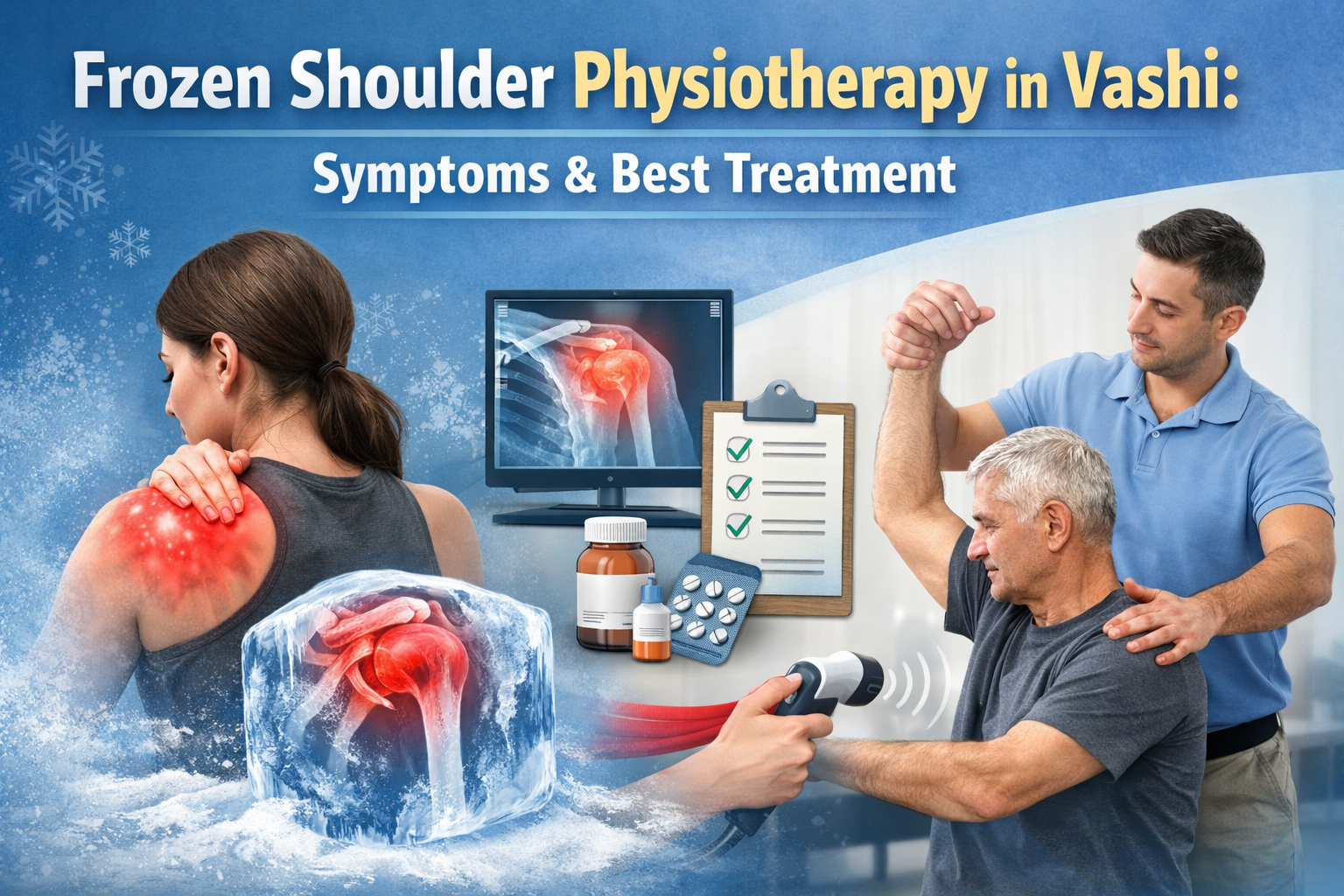
Have you ever tried reaching for something on a high shelf and suddenly realized your shoulder just won’t move the way it used to? Or maybe simple tasks like getting dressed or combing your hair have started to feel surprisingly difficult. If that sounds familiar, you might be dealing with a condition commonly known as frozen shoulder.
Let’s break it down in a way that actually helps you understand what’s happening inside your body and more importantly, what you can do about it.
What Exactly Is Frozen Shoulder?
Frozen shoulder, medically called adhesive capsulitis, is a condition where the shoulder joint becomes stiff, painful, and gradually loses its range of motion. It doesn’t happen overnight. In fact, it develops slowly and progresses through stages.
Here’s a quick question for you: Did your shoulder pain start mild but gradually got worse over weeks or months? If yes, that’s one of the early signs.
The shoulder joint is surrounded by a capsule of connective tissue. In frozen shoulder, this capsule thickens and tightens, restricting movement and often causing persistent discomfort.
The Three Stages of Frozen Shoulder
Understanding the stages can help you recognize where you are in the recovery journey.
1. Freezing Stage (Painful Phase) This is where it begins. You experience increasing pain, especially during movement. Your shoulder starts to lose mobility.
- Duration: 6 weeks to 9 months
- Key sign: Pain worsens at night
2. Frozen Stage (Stiffness Phase) The pain may reduce slightly, but stiffness becomes the main problem. Daily activities become more restricted.
- Duration: 4 to 6 months
- Key sign: Limited movement in all directions
3. Thawing Stage (Recovery Phase) Movement slowly improves, and you begin to regain function.
- Duration: 6 months to 2 years
- Key sign: Gradual return of mobility
Now think about this: Are you avoiding moving your shoulder because it hurts? That might actually make things worse over time.
Common Symptoms You Shouldn’t Ignore
Frozen shoulder is often mistaken for general shoulder pain. But there are specific signs that set it apart.
- Persistent dull or aching pain in the shoulder
- Difficulty lifting your arm
- Trouble reaching behind your back
- Stiffness that doesn’t improve with rest
- Pain that disrupts sleep
Here’s something important rest alone doesn’t fix frozen shoulder. In fact, too much inactivity can worsen stiffness.
Who Is More Likely to Get Frozen Shoulder?
You might be wondering, why me? There are certain risk factors:
- Age group: 40 to 60 years
- More common in women
- Diabetes (a major contributor)
- Thyroid disorders
- Post-surgery or injury immobilization
Let’s pause for a second: Did your symptoms start after an injury or surgery? That could be a trigger.
Why Physiotherapy Is the Best Treatment Approach
When it comes to recovery, physiotherapy plays a central role. Medications may reduce pain temporarily, but they don’t address stiffness or restore movement.
That’s where Frozen Shoulder physiotherapy in Vashi becomes essential it focuses on improving mobility, reducing pain, and helping you regain normal shoulder function.
What Happens During Physiotherapy?
You might be thinking, Will it be painful? Will it take too long? Let’s clear that up.
Physiotherapy is structured, progressive, and tailored to your condition. It’s not about forcing movement it’s about restoring it gradually.
1. Pain Management Techniques
In the early stage, reducing pain is the priority.
- Heat therapy
- Ultrasound therapy
- Electrical stimulation
These methods help relax muscles and reduce inflammation.
2. Gentle Stretching Exercises
Once pain is under control, mobility becomes the focus.
- Pendulum exercises
- Cross-body stretches
- Towel stretches
These movements improve flexibility without causing strain.
Here’s a quick reflection: Have you been avoiding movement because of pain? Controlled exercises actually help break stiffness.
3. Strengthening Exercises
As your range of motion improves, strengthening begins.
- Resistance band exercises
- Shoulder blade stabilization
- Rotator cuff strengthening
This phase ensures that your shoulder doesn’t relapse.
4. Manual Therapy
Hands-on techniques by a physiotherapist help improve joint mobility.
- Joint mobilization
- Soft tissue release
This is where professional expertise really makes a difference.
How Long Does Recovery Take?
This is one of the most common questions.
The honest answer? It varies.
- Mild cases: 3 to 6 months
- Moderate cases: 6 to 12 months
- Severe cases: Up to 18 months
But here’s the key insight: Early treatment significantly reduces recovery time.
So if you’re still waiting for it to “heal on its own,” you might be delaying your progress.
Role of a Skilled Physiotherapist
Recovery isn’t just about exercises it’s about doing the right exercises at the right time.
A trained physiotherapist in Vashi will:
- Assess your stage of frozen shoulder
- Create a personalized treatment plan
- Monitor progress and adjust therapy
- Ensure exercises are done correctly
Let’s ask something practical: Are you doing random shoulder exercises from the internet? That can sometimes do more harm than good if not guided properly.
Can Frozen Shoulder Come Back?
Relapse is rare but possible, especially if:
- Exercises are stopped midway
- Underlying conditions like diabetes aren’t managed
- Shoulder remains inactive for long periods
Consistency is everything here.
Simple Home Care Tips That Actually Help
While physiotherapy is crucial, your daily habits also play a role.
- Keep your shoulder moving within a pain-free range
- Use warm compresses before exercises
- Maintain proper posture
- Avoid sudden jerky movements
- Stay consistent with your exercise routine
Quick check: Do you sit for long hours with poor posture? That could add unnecessary stress to your shoulder.
When Should You Seek Help?
Don’t wait for the pain to become unbearable.
You should consult a professional if:
- Pain lasts more than 2–3 weeks
- Movement keeps decreasing
- Daily activities are getting difficult
- Sleep is disturbed due to shoulder pain
Early diagnosis + guided treatment = faster recovery.
Why Choose the Right Clinic Matters
Not all treatments are the same. The approach, experience, and consistency of care play a major role in how quickly you recover.
At Wecare Physio Vashi, the focus is on:
- Accurate diagnosis
- Stage-based treatment
- Hands-on therapy combined with guided exercises
- Patient education (so you understand your recovery process)
Because let’s be honest healing becomes easier when you actually understand what’s happening in your body.
Final Thought: Don’t Let Stiffness Take Control
Frozen shoulder can feel frustrating. It limits your movement, affects your daily routine, and sometimes even your mood.
But here’s the good news it is treatable.
The real question is: Are you ready to take the first step toward recovery, or will you keep waiting and hoping it goes away?
Because the sooner you act, the sooner you move freely again.