 Sign up with Google
 Sign in with Zoho

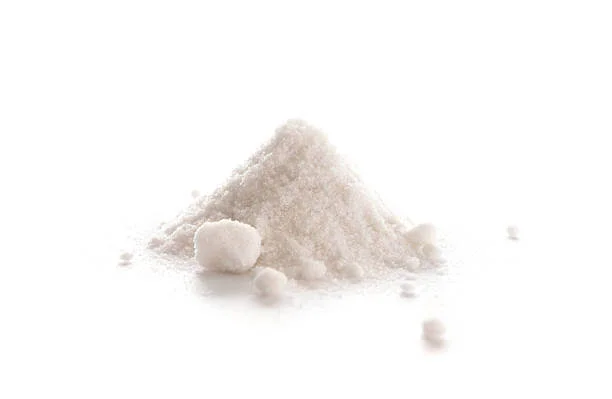
Borax is a naturally occurring mineral that has been used for centuries in cleaning, metalworking and craft work. Today, بوراکس remains an important industrial chemical, valued in detergents, glass, ceramics, agriculture and many other applications. It is mined from evaporite deposits formed when ancient lakes dried up, with major sources in Turkey, the United States and South America. Borax powder is white, soft and easy to dissolve in warm water. Its gentle alkalinity, buffering ability and boron content give it a set of properties that few other materials can match. This article explains what borax is and how it is used across different industries. It remains affordable and widely available, which makes it attractive for both large manufacturers and smaller producers. Understanding its chemistry also helps users apply it safely and get the best possible results from every application.
Chemical Properties of Borax
Borax is sodium tetraborate, most commonly found as the decahydrate with the formula Na2B4O7·10H2O. It also exists as the pentahydrate and in anhydrous form. When dissolved in water, borax forms a mildly alkaline solution with a pH of around 9.2, and it acts as an effective buffer, resisting changes in pH. It dissolves much better in hot water than in cold. When heated strongly, it loses its water and melts into a glassy substance. Borax can also react with polymers such as polyvinyl alcohol and guar gum to form cross linked gels, a property used in industry and in popular slime making activities.
Uses in Detergents and Cleaning
Borax has been a laundry booster for more than a century. In detergents, it softens water by binding with calcium and magnesium ions, helps maintain an alkaline pH that improves cleaning, and enhances stain removal. It can also act as a mild bleaching agent by converting some water to hydrogen peroxide in certain conditions. Sodium perborate, made from borax, was widely used as a bleach in laundry powders. Household cleaners use borax to remove grime, deodorize surfaces and control mold. In some regions, regulations have reduced boron content in consumer detergents, but borax remains important in industrial and institutional cleaning products. Its role in cleaning has lasted because it is effective, mild and affordable.
Role in Glass and Ceramics
Borax is an important source of boron for glass, fiberglass and ceramics. In glass making, boron lowers thermal expansion and improves resistance to heat and chemicals, making it essential for borosilicate glass used in laboratory equipment and cookware. It also acts as a flux, lowering melting temperatures and saving energy. In fiberglass insulation, borax helps form fine fibers and improves durability. Ceramic glazes and enamels rely on borax to melt evenly, produce smooth glossy surfaces and improve adhesion to steel or clay. Metalworkers also use borax as a flux in soldering, brazing and welding to remove oxides and help metals bond.
Applications in Agriculture
Boron is an essential micronutrient for plants, and borax is one of the most common sources used in fertilizers. Boron supports cell wall development, flowering, pollination and fruit formation. Crops such as canola, sunflower, sugar beet, alfalfa, cotton, apples and grapes are particularly sensitive to boron deficiency, which can cause hollow stems, poor seed set and deformed fruit. Borax can be applied to soil or blended with other fertilizers. Because the margin between deficiency and toxicity is narrow, application must be based on soil and leaf tests. Agronomists often recommend small, carefully measured doses to maintain healthy boron levels.
Other Uses and Safe Handling
Borax is also used as a wood preservative, a flame retardant in cellulose insulation, an insecticide for ants and cockroaches, and a buffer in cosmetics and laboratory work. It plays a role in adhesives, especially in corrugated board production, where it improves starch adhesive properties. Although borax has low acute toxicity, it can irritate eyes and skin, and some regulatory bodies classify boron compounds as reproductive toxicants, which has led to stricter labeling in certain regions. Handle borax powder with gloves and avoid inhaling dust. Store it in a dry, sealed container, away from food and out of reach of children.