Sign up with Google
 Sign in with Zoho

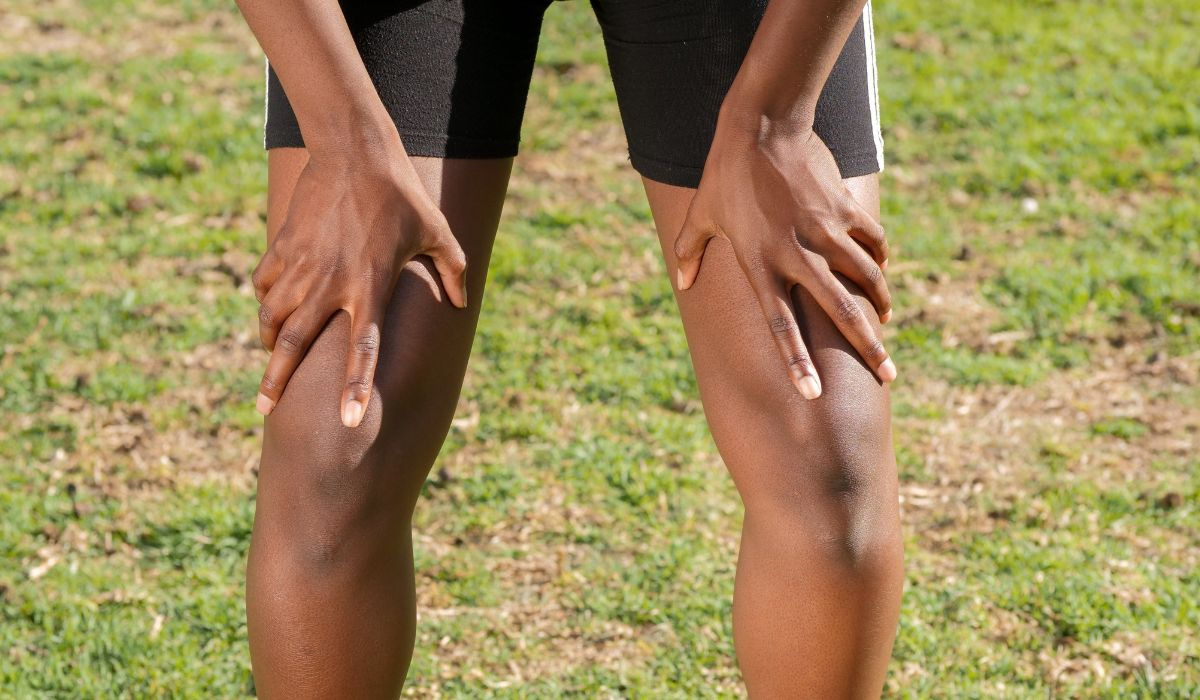
Knee pain sneaks into life slowly. One day it’s a little stiffness after climbing stairs. Then suddenly you’re avoiding long walks, sitting weird at work, or waking up with sore knees for no clear reason. That’s usually when people start searching for the best knee massager and honestly, the options get confusing fast.
Some devices focus on heat. Others use vibration. A few combine both and throw in compression too, because apparently every brand wants to sound futuristic now. But the truth is simpler than marketing makes it sound. Different knee pain relief equipment works for different types of discomfort. There’s no magic machine that fixes every knee problem overnight. Anyone telling you that is probably selling something.
Still, a good knee massager can absolutely help. I’ve seen people use them after workouts, during arthritis flare-ups, or just after sitting at a desk too long. Relief matters. Even temporary relief matters when your knees are angry every day.
Heated Knee Massagers Feel Different. In a Good Way.
Heat-based models are usually the first thing older adults lean toward. Makes sense. Warmth naturally relaxes stiff muscles and tight joints. If your knees feel achy in the morning or sore during cold weather, heated units can feel surprisingly comforting.
The thing with heated models is they’re less aggressive. More soothing. You strap them on, sit back for fifteen or twenty minutes, and the warmth slowly settles into the joint area. Sometimes that’s enough to loosen things up.
People dealing with arthritis symptoms often prefer heated knee pain relief equipment because cold joints hate movement. Heat can improve circulation a bit too, which helps some users feel less stiff afterward.
A few things heated models are usually better for:
- Mild joint stiffness
- Arthritis discomfort
- Recovery after long walking days
- Relaxation before sleep
- Everyday soreness, not sharp pain
Not every heated model is strong though. Some barely get warm, honestly. And cheap units tend to heat unevenly which gets annoying fast. One side warm, other side cold. Weird experience.
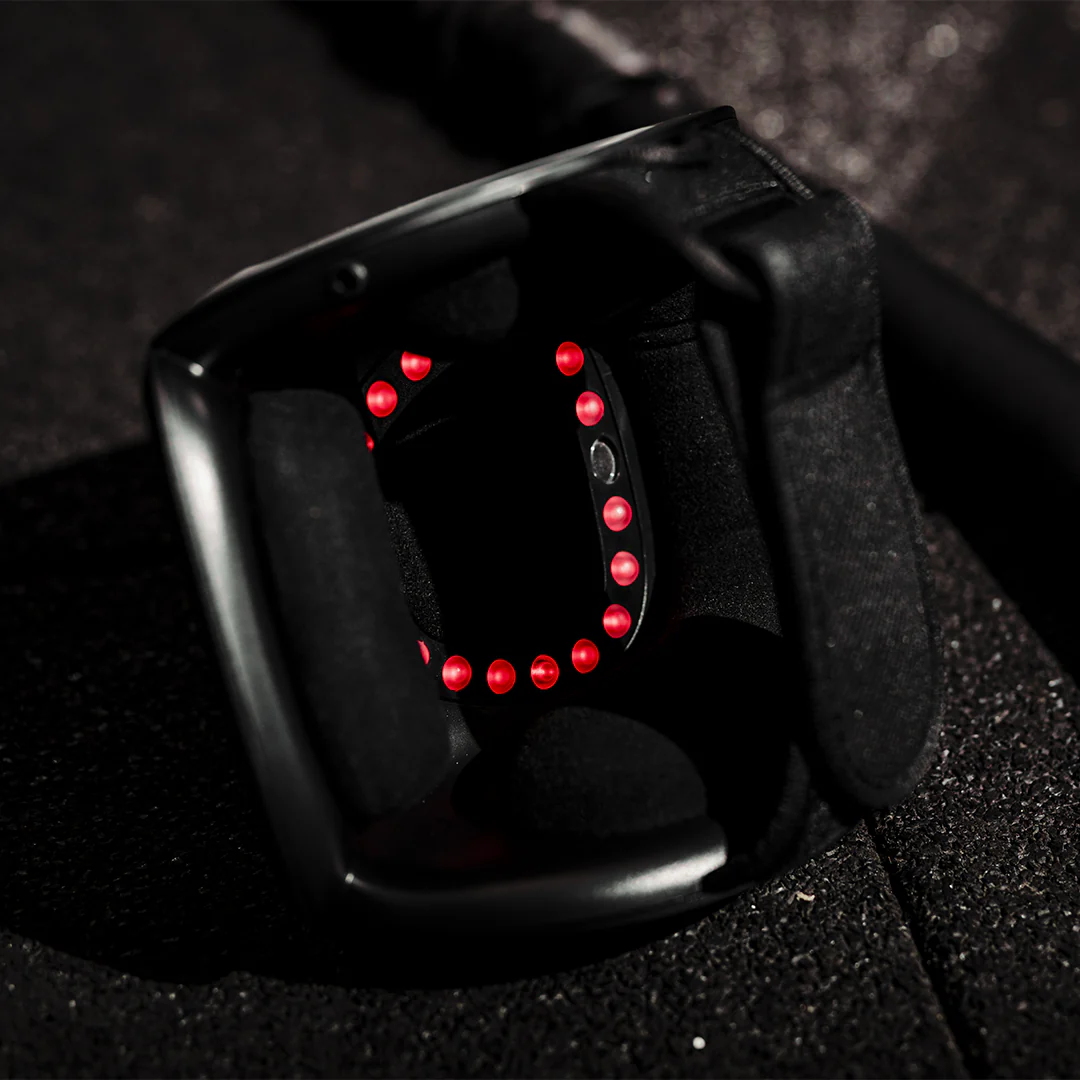
Vibration Models Hit the Muscles More
Now vibration massagers are different animals entirely. They’re more active. More noticeable. Instead of warming the joint slowly, they stimulate muscles around the knee using pulses or vibration patterns.
Some people love that buzzing feeling. Others hate it immediately. There’s rarely an in-between.
If your discomfort comes from muscle fatigue, post-workout soreness, or tension around the knee area, vibration models can work pretty well. Athletes use this kind of knee pain relief equipment more often because it feels closer to muscle recovery tools.
The stronger vibration units almost feel like tiny percussion guns strapped to your knee. Not painful exactly, but definitely not subtle either.
Here’s where vibration models tend to help most:
- Muscle tightness around the knee
- Workout recovery
- Leg fatigue after standing long hours
- Circulation support
- Temporary pain distraction
One thing people don’t mention enough — vibration can sometimes feel irritating on severely inflamed knees. Especially if swelling is already bad. Heat usually feels gentler in those situations.
So Which One Is Actually the Best Knee Massager?
Honestly? Depends what your knees are complaining about.
If your knees feel stiff, cold, old, creaky. Go heat. Most users over 45 seem happier with heated models because they’re calming and easier to tolerate daily.
If your legs feel overworked, tense, or tired after activity, vibration makes more sense. That stimulation can wake muscles back up and reduce that heavy-leg feeling.
But here’s the thing nobody likes hearing. The best knee massager is usually one that combines multiple functions instead of only doing one job halfway decent.
Good combo models now include:
- Heat
- Vibration
- Air compression
- Adjustable intensity levels
- Rechargeable battery use
Compression actually matters more than people think. Gentle pressure around the knee can create support while the heat or vibration does its thing. That combination tends to feel more complete.
Cheap Knee Pain Relief Equipment Usually Disappoints
I know people want budget options. Totally understandable. But super cheap knee massagers often end up stuffed in drawers after two weeks. Weak motors. Bad battery life. Loud vibration sounds. Heat that barely exists.
And the fit matters too. Nobody talks about fit enough.
If the straps slide around constantly, the massage points stop lining up with the knee properly. Then it becomes irritating instead of relaxing. A decent unit should feel secure without cutting circulation off. Sounds obvious, but apparently not every manufacturer got the memo.
When comparing models, pay attention to practical stuff:
- Battery runtime
- Adjustable straps
- Weight of the device
- Noise level
- Heat settings
- Auto shutoff safety
Fancy marketing words don’t really matter much after that.
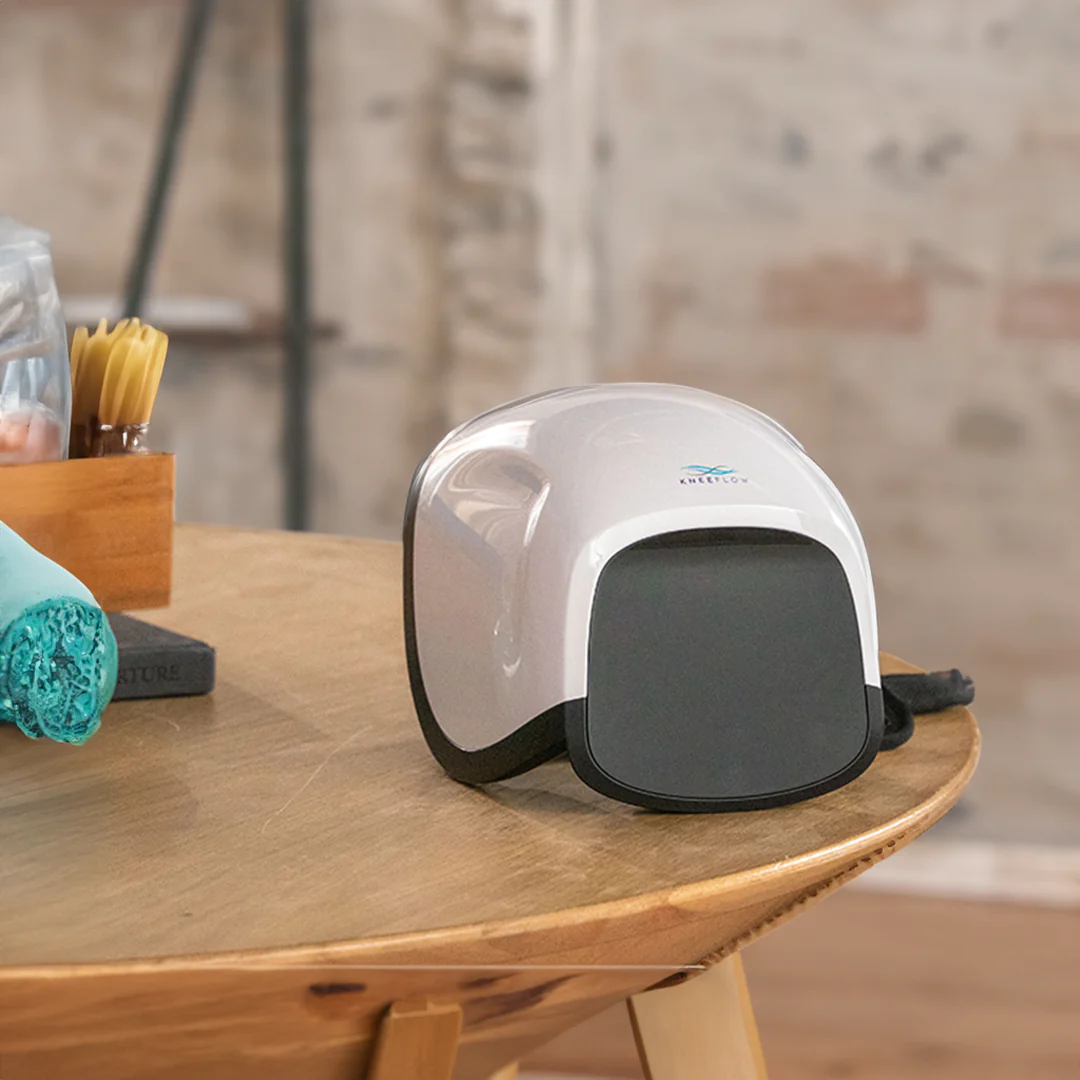
People With Arthritis Usually Want Comfort More Than Intensity
This part gets overlooked online. A lot.
Older users searching for the best knee massager are usually not looking for aggressive therapy sessions. They just want comfort. Easier movement. Less stiffness while walking around the house. Better sleep maybe.
That’s why heated knee pain relief equipment tends to win long-term for arthritis users. It feels nurturing instead of forceful. Vibration can still help, sure, but high intensity settings often become too much after a while.
One woman I spoke with said she only uses the heat mode now because the vibration “made her knee feel busy.” Weird description. But I understood what she meant immediately.
Comfort matters more than features sometimes.
Don’t Expect Miracles From Any Knee Massager
This should probably be said louder online. A knee massager is support equipment, not a cure. If your knee pain comes from serious injuries, ligament damage, severe arthritis, or structural problems, no device is magically fixing that.
But can it make daily life easier? Absolutely.
Can it help reduce stiffness after work? Yep. Can it help people relax and move a little better? Usually yes.
That’s enough reason for many people to buy one.
The smartest approach is using knee pain relief equipment alongside other habits:
- Stretching regularly
- Walking consistently
- Staying active without overdoing it
- Maintaining healthy weight
- Using supportive footwear
Massagers help the process. They shouldn’t be the whole process.
Final Thoughts on Heated vs Vibration Knee Massagers
If I had to simplify everything into one sentence, it’d be this: heat comforts the joint, vibration wakes up the muscles.
That’s really the core difference.
For everyday stiffness and arthritis discomfort, heated models often feel better and get used more consistently. For muscle fatigue and post-exercise soreness, vibration models can be more effective.
The best knee massager is the one that actually fits your body, your pain level, and your routine. Not the one with the flashiest ad online. Half the expensive models aren’t even better. Just louder marketing.
Try to think about what your knees actually need before buying. Warmth? Muscle stimulation? Compression support? A combination? Once you figure that out, choosing the right knee pain relief equipment becomes way less confusing.