Sign up with Google
 Sign in with Zoho

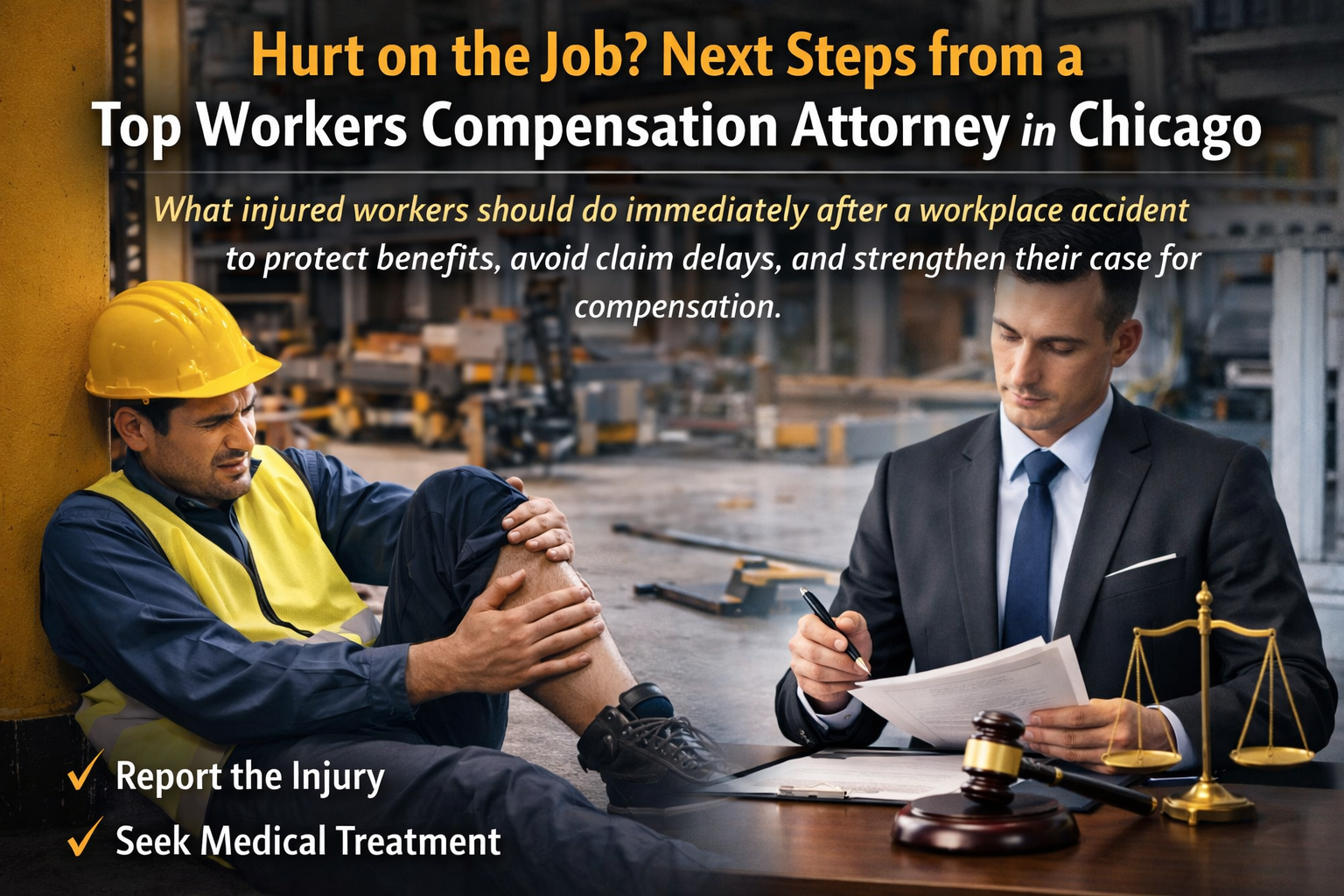
A workplace injury can turn your routine upside down in an instant. One moment you are doing your job, and the next you are dealing with pain, medical treatment, missed paychecks, and uncertainty about what comes next. In times like these, understanding your rights matters. Knowing when to contact a workers compensation attorney (Chicago) can help you protect your claim and avoid costly mistakes.
What workers compensation is meant to cover
Workers compensation is designed to provide benefits to employees who are injured while performing job-related duties. These benefits may include payment for medical care, a portion of lost wages, and compensation for temporary or lasting disability. In some cases, vocational rehabilitation may also be available if you cannot return to the same type of work.
While that sounds straightforward, the process is often more complicated than injured workers expect. Claims can be delayed, questioned, or denied. Employers and insurance companies may challenge whether the injury happened at work, how serious it is, or whether treatment is necessary.
What to do immediately after a workplace injury
The steps you take after an injury can have a big impact on your claim.
Report the injury as soon as possible
Tell your employer about the injury right away. Waiting too long can create doubt about what happened and give the insurance company room to argue that the injury was unrelated to your job.
Seek medical treatment
Get medical care as soon as you can, even if the injury seems minor at first. Some injuries become worse over time. Prompt treatment also creates records that connect your condition to the workplace incident.
Follow all medical instructions
Attend follow-up appointments, take prescribed treatment seriously, and keep a record of your symptoms. If you miss care or ignore medical advice, the insurance company may use that against you.
Document everything
Write down how the injury happened, when it happened, who saw it, and how it has affected your ability to work. Save copies of reports, medical paperwork, bills, and communication related to your case.
Common problems injured workers face
Many workers assume that if they were hurt on the job, benefits will automatically follow. Unfortunately, that is not always the case. Some of the most common issues include:
- delayed claim approvals
- denied medical treatment
- disputes over whether the injury was work-related
- pressure to return to work too soon
- problems receiving wage replacement benefits
- disagreements about the extent of permanent disability
Even a valid claim can become stressful when the insurer is focused on limiting what it pays.
When to speak with an attorney
Not every workplace injury leads to a serious legal dispute, but there are clear situations where legal help can make a real difference.
Your claim was denied
A denial does not always mean the end of your case. Sometimes claims are denied because of missing information, disputes over medical evidence, or employer objections. An attorney can review the denial and help build a stronger case.
Your benefits are delayed
If you are struggling to get medical care approved or your wage benefits are not arriving on time, that delay can create financial pressure. Legal representation can help move the process forward.
You are being pushed back to work too soon
Returning before you are medically ready can worsen your injury and complicate your recovery. An attorney can help protect your rights if there is pressure to resume work before it is safe.
You have a serious or permanent injury
Cases involving surgery, long-term treatment, permanent restrictions, or disability ratings often require a careful review of future losses and benefits. These cases are usually too important to handle casually.
Your employer is disputing what happened
If your employer claims the injury did not happen at work, questions the timeline, or suggests the injury came from a prior condition, legal help becomes even more important.
How an attorney helps protect your claim
A workers compensation attorney does more than fill out forms. Strong legal representation can help by:
- gathering medical records and workplace evidence
- handling communication with the insurer
- addressing denied or delayed claims
- making sure deadlines are met
- protecting you during hearings or disputes
- evaluating whether a settlement is fair
- helping pursue the full benefits available under the law
The goal is not just to file paperwork. It is to make sure your case is taken seriously and that you are not pressured into accepting less than you need.
Mistakes to avoid after a work injury
Injured employees sometimes damage their own claims without realizing it. Try to avoid these common mistakes:
- failing to report the injury promptly
- waiting too long to see a doctor
- downplaying symptoms
- missing treatment appointments
- returning to work against medical advice
- assuming the insurance company is protecting your interests
Small mistakes can lead to larger problems later, especially when the insurer is already looking for reasons to reduce benefits.
Why early action matters
The sooner you act, the easier it is to preserve evidence, document your condition, and stay on track with claim requirements. Waiting can make it harder to connect the injury to your job, especially if records are incomplete or symptoms worsen over time.
Early guidance also helps you avoid being caught off guard by paperwork, deadlines, or settlement discussions before you understand the value of your case.
Final thoughts
A work injury can affect your health, income, and long-term stability. You should not have to navigate that burden alone while also trying to recover. Taking the right steps early and getting the right support can make a major difference in how your claim unfolds.
If you have been hurt on the job, understanding your options is one of the best ways to protect yourself and your future.