Sign up with Google
 Sign in with Zoho

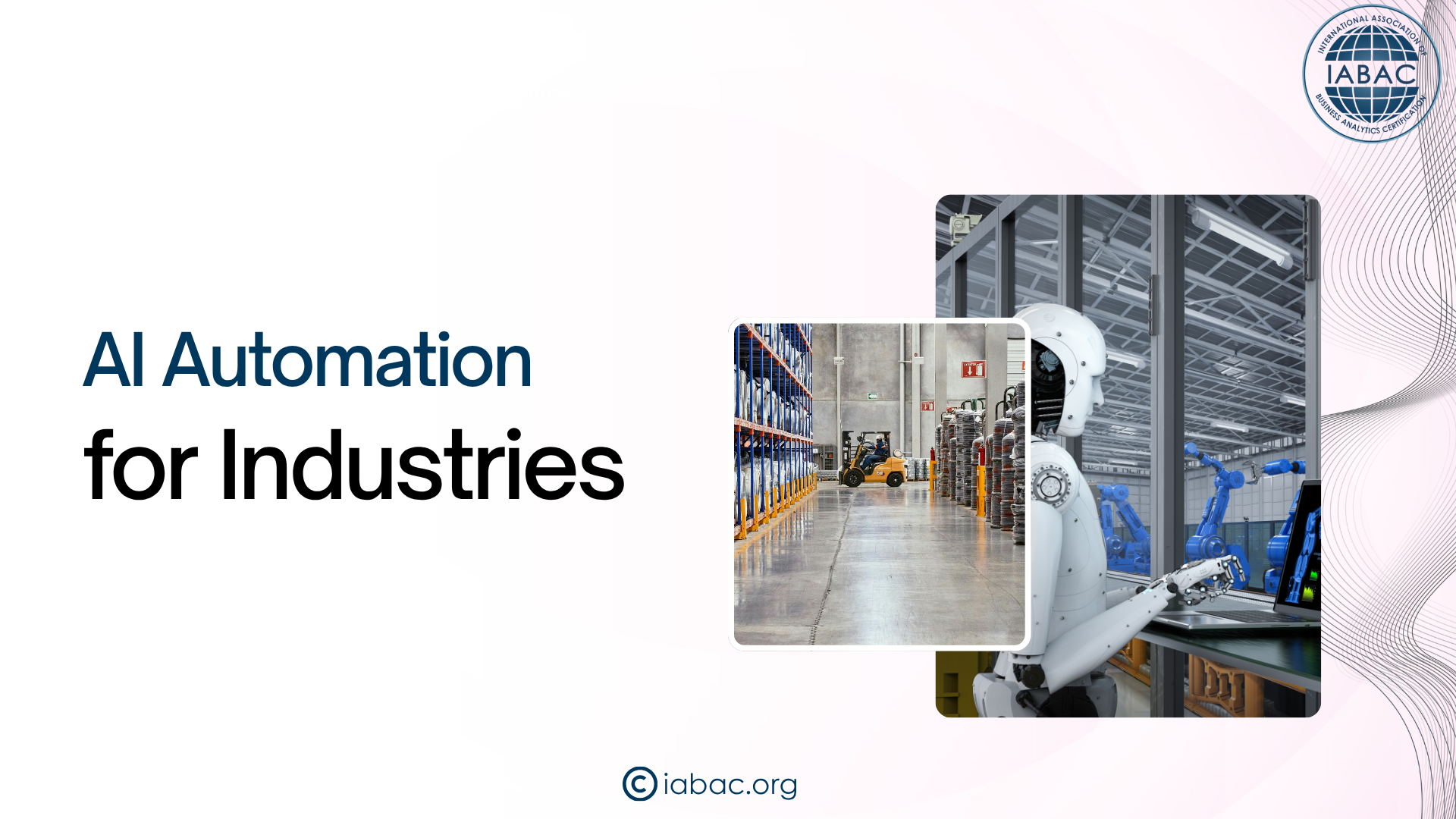
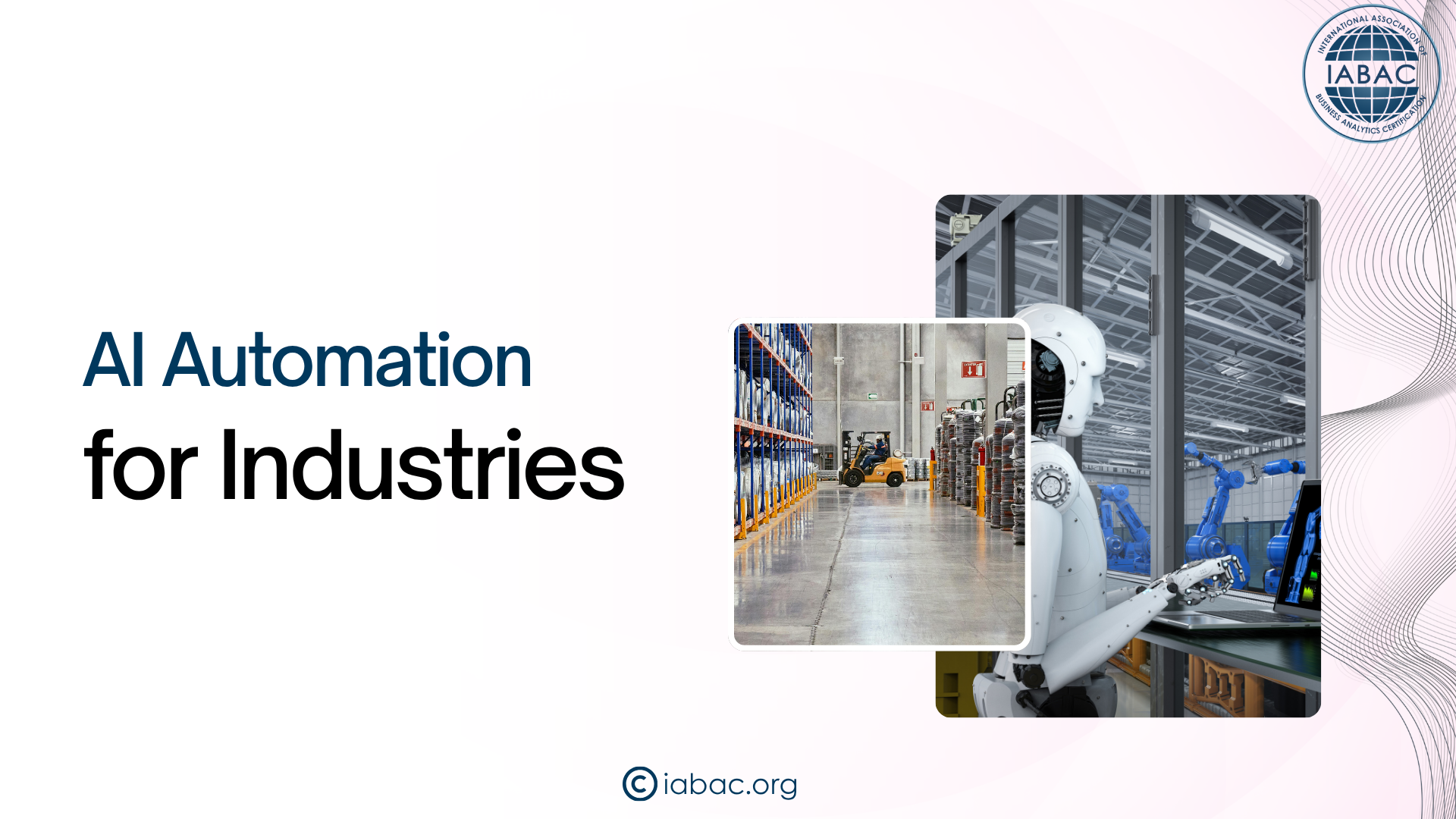
Introduction: Why Knowledge Based Agents Are Changing Every Industry?
Imagine a hospital system that flags a drug interaction before a doctor even notices it. Or a bank that detects fraud in milliseconds without a human reviewing the transaction. These are not science fiction scenarios. They are powered by knowledge based agents operating right now, across industries worldwide.
A knowledge based agent is a type of AI system that stores facts, rules, and relationships about a domain and uses them to reason through problems and make decisions. Think of it like an expert consultant who never sleeps, never forgets, and never makes decisions based on a bad day.
In 2026, as businesses race to automate smarter (not just faster), understanding how these agents work is no longer optional for tech professionals, students, and Business Leaders. It is essential.
This guide breaks down exactly how knowledge based agents work, where they are used, why they matter now, and how you can build a career around them.
What Are Knowledge Based Agents?
A knowledge based agent is an AI program that has three core abilities:
- It stores knowledge: Facts, rules, and relationships in what is called a knowledge base
- It reasons: Uses logic to connect facts and draw conclusions
- It acts: Makes decisions or recommendations based on what it knows
A knowledge based agent does exactly this but digitally, at scale, and in real time.
The internal engine that does the reasoning is called an inference engine. It is the 'brain' that applies logical rules to the knowledge base to arrive at conclusions. Together, the knowledge base and the inference engine form the core of what AI researchers call a knowledge-based system in AI.
How Knowledge Based Agents Are Different From Regular Software
Most traditional software follows a fixed script: if X happens, do Y. It cannot go beyond what it was explicitly programmed to do.
Knowledge based agents, on the other hand, can handle situations that were not directly programmed. They use stored knowledge and logical reasoning in AI to figure out what to do in new scenarios.
This is the key difference:
This explainability is a major reason industries like healthcare and finance prefer knowledge based agents over black-box machine learning models. You can audit why the agent made a specific decision.
The Architecture Behind Knowledge Based Agents
Before diving into industry applications, it helps to understand the building blocks. Here is a simple breakdown of knowledge base architecture:
1) Knowledge Base
This is where all domain-specific information is stored. It contains:
• Facts: "Patient A is allergic to penicillin"
• Rules: "If a patient is allergic to penicillin, do not prescribe amoxicillin"
• Relationships: Hierarchies, causal links, and semantic connections between concepts
2) Inference Engine
This is the reasoning module. It reads the knowledge base, applies rules, and derives new conclusions. It uses two main strategies:
- Forward chaining: Starts with known facts and works toward a conclusion
- Backward chaining: Starts with a goal and works backward to find supporting facts
3) User Interface / Output Layer
This is how the agent communicates its decisions whether through a dashboard, an alert, a recommendation, or a direct action.
Understanding this architecture is the foundation of AI knowledge representation, one of the most important subfields of modern AI.
How Industries Use Knowledge Based Agents: 5 Real-World Applications
1) Healthcare: Clinical Decision Support
One of the most impactful uses of knowledge based agents is in clinical settings. Hospitals use these systems to assist doctors in diagnosing diseases, recommending treatments, and avoiding dangerous drug combinations.
MYCIN, one of the earliest expert systems in AI, was designed in the 1970s to diagnose bacterial infections and recommend antibiotics. Its structure rules stored in a knowledge base, evaluated by an inference engine became the blueprint for modern medical AI.
Today, systems like IBM Watson Health (and its successors) build on this idea. They help oncologists by cross-referencing patient data against thousands of clinical studies and treatment protocols in seconds.
Key benefit: Reduces human error in high-stakes decisions and provides consistent, evidence-based recommendations.
2) Finance: Fraud Detection and Risk Assessment
Banks and financial institutions are among the largest users of rule-based AI agents. These systems monitor millions of transactions every day and flag suspicious activity based on stored rules and behavioral patterns.
For example, a knowledge based agent might know:
- Transactions above $10,000 require additional verification.
- If a card is used in two countries within 30 minutes, flag it as suspicious.
Beyond fraud, these systems assist with credit risk scoring, loan approvals, and regulatory compliance, all areas where logical reasoning in AI must be transparent and auditable.
Key benefit: Speeds up decisions that would otherwise take human analysts hours, while maintaining consistency.
3) Manufacturing: Predictive Maintenance and Quality Control
In smart factories, knowledge based agents monitor equipment in real time. They store knowledge about how machines behave under normal conditions and use inference to detect anomalies before they become failures.
This is a core application of intelligent agents in Artificial Intelligence in industrial settings, often combined with IoT sensors and real-time data pipelines.
Key benefit: Reduces unplanned downtime, lowers maintenance costs, and extends equipment life.
4) Customer Service: Intelligent Virtual Assistants
Modern customer service chatbots are far more sophisticated than the clunky bots of the early 2010s. Today's systems are built on knowledge based architectures that store product information, company policies, troubleshooting steps, and customer interaction history. These decision-making agents can also escalate to human agents when a query falls outside their knowledge base.
Key benefit: Handles high volumes of queries instantly, reduces support costs, and improves customer satisfaction.
5) Cybersecurity: Threat Detection and Response
Cybersecurity is one of the fastest-growing applications of knowledge based agents. These systems store knowledge about known attack patterns, malware signatures, and network behavior baselines. When anomalies are detected, they reason through possible threat scenarios and respond sometimes automatically.
This type of AI problem-solving technique dramatically reduces the time between threat detection and response from hours to milliseconds.
Key benefit: Proactive threat mitigation that outpaces traditional reactive security approaches.
Why Knowledge Based Agents Matter More Than Ever in 2026?
Regulatory pressure is increasing. Laws like GDPR in Europe and emerging AI Governance frameworks globally require that AI decisions be explainable and auditable. Knowledge based agents, with their transparent rule-based logic, are naturally well-suited to compliance requirements.
Data complexity is exploding. As organizations handle more data across more systems, humans simply cannot process it all. Knowledge based agents serve as intelligent filters and decision-makers in this data-rich environment.
Labor shortages in specialized fields. Healthcare cybersecurity, and engineering all face talent shortages. Knowledge based agents can augment human experts handling routine decisions so specialists can focus on complex, high-judgment tasks.
AI maturity is driving hybrid systems. In 2026, many leading organizations are combining knowledge based agents (for explainable reasoning) with machine learning models (for pattern recognition). This hybrid approach gets the best of both worlds.
Career Opportunities in Knowledge Based Systems and Intelligent Automation
This is a field with growing demand and excellent salary potential. Here are the most relevant roles:
- AI Engineer / ML Engineer: Designs and implements intelligent agent systems. Often requires knowledge of frameworks like TensorFlow, PyTorch, and rule engines like Drools.
- Knowledge Engineer: Specializes in structuring and organizing domain knowledge for AI systems. Works closely with domain experts to encode their expertise.
- AI Solutions Architect: Designs end-to-end intelligent automation systems for enterprises. Combines knowledge of AI, cloud platforms, and business processes.
- Data Scientist with NLP/Reasoning Focus: Works on how agents understand and process language and structured knowledge.
- AI Ethics and Governance Analyst: As regulations tighten, organizations need professionals who understand how to audit and govern AI decision-making systems.
Is This Right for You? Who Should Learn This
Knowledge based agents and intelligent systems are worth exploring if you are:
- A student in computer science, data science, or engineering looking to specialize in AI
- A business professional who wants to understand how AI is reshaping your industry
- A career switcher moving into tech and looking for an in-demand specialization
- An IT professional who wants to move into AI-driven automation roles
- A healthcare, finance, or manufacturing professional who wants to work at the intersection of domain expertise and AI
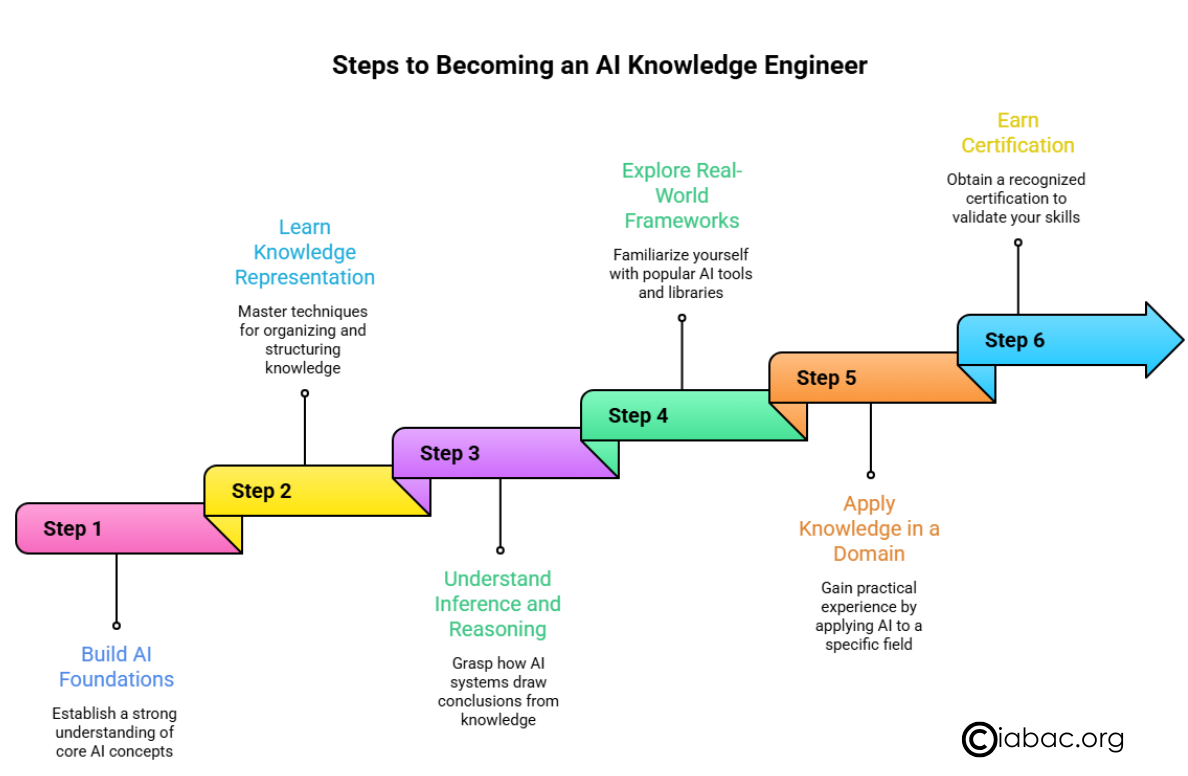
Step-by-Step Roadmap: How to Build Skills in Knowledge Based Agents
- Build Your AI Foundations: Start with the basics of Artificial Intelligence, how AI agents work, types of AI, and key terminology. Free resources include MIT Open Course Ware and Coursera's AI for Everyone by Andrew Ng.
- Learn Knowledge Representation Fundamentals: Study how knowledge is stored and structured in AI systems. Explore concepts like ontologies, semantic networks, and rule-based systems. Tools to experiment with: Prolog and Drools.
- Understand Inference and Reasoning: Learn how inference engines process rules and facts. Study forward chaining vs. backward chaining. Practice building simple expert systems using open-source frameworks.
- Explore Real-World Frameworks: Get hands-on with Tensor Flow and Py Torch for building AI models, Drools for rule-based business automation, and Prolog for logic-based knowledge representation.
- Apply Knowledge in a Domain: Pick one industry (healthcare, finance, manufacturing) and study how knowledge based agents are applied there. Build a small project, even a simple rule-based chatbot or decision-support tool.
- Earn a Recognized Certification: Formalize your skills with an industry-recognized credential. This signals to employers that your knowledge has been validated.
Certifications for Knowledge Based Agents and Intelligent Automation
Earning a certification helps you stand out in a competitive job market. Here is a comparison of the most relevant options available in 2026:
Our Top Recommendation: IABAC Certifications
The International Association of Business Analytics Certifications (IABAC) offers some of the most industry-relevant certifications for professionals looking to build expertise in AI, knowledge-based systems, and intelligent automation. Their programs are:
- Designed for real-world application, not just theory
- Recognized across industries including healthcare, finance, and manufacturing
- Structured to cover both foundational concepts and advanced AI topics
- Accessible to learners at different stages from beginners to experienced professionals
Conclusion: The Future Belongs to Knowledge-Driven Automation
Knowledge based agents are not a niche AI Concept they are the backbone of some of the most impactful automation happening across global industries right now. From diagnosing diseases to catching fraud, from maintaining factory equipment to protecting networks, these systems are making organizations smarter, faster, and more resilient.
In 2026, the professionals who understand how these systems work and who can design, implement, or govern them will be among the most valuable in the workforce.
The good news is that this is a learnable skill. Whether you are a student, a career switcher, or a domain expert looking to bridge into AI, there is a clear path. And with the right certifications behind you, you can demonstrate that expertise to employers with confidence.



.webp)