Sign up with Google
 Sign in with Zoho


Picture this. You show up on a sunny Saturday, hit a great drive on the first hole, and then wait. And wait. By the fourth tee, you are standing around with three strangers' worth of golf bags in sight and nowhere to go.
Most of us blame slow players when this happens. Sometimes that is fair. But the real culprit often starts long before anyone swings a club. It starts with the tee sheet. Let's look at why tee times quietly decide how your round feels.
What a Tee Time Really Does?
What is tee time, exactly? On paper, it is a simple reservation, but it is much more than that. It is the starting signal that tells a course how many groups will be spread across eighteen holes at any moment. Get that signal right, and the day flows. Get it wrong, and every hole becomes a waiting room. Understanding this changes how you see your own round.
It Sets the Rhythm of the Whole Day
Every group on the course follows the group in front of it. The tee sheet decides the gap between them. A steady gap creates a steady rhythm, and that rhythm is what makes golf feel relaxed instead of rushed.
It Controls Course Traffic
Think of the course like a highway. Too many cars entering at once causes a jam, no matter how well anyone drives. Tee times are the on-ramp, and they limit how much traffic the course must handle.
How Tee Time Spacing Affects Pace of Play?
Spacing is where the real magic happens. The time between one group teeing off and the next determines how much breathing room everyone gets. Courses that respect this gap tend to run smoothly, even on busy weekends. Courses that squeeze in extra groups to chase revenue often pay for it with frustrated players and slower rounds. A few minutes on the sheet can mean an hour on the course.
The Standard Interval Explained
Most public courses space groups about 8 to 10 minutes apart. That gap gives the group ahead time to clear the landing area and walk off the green, so nobody is waiting on every shot.
Why Tighter Spacing Backfires?
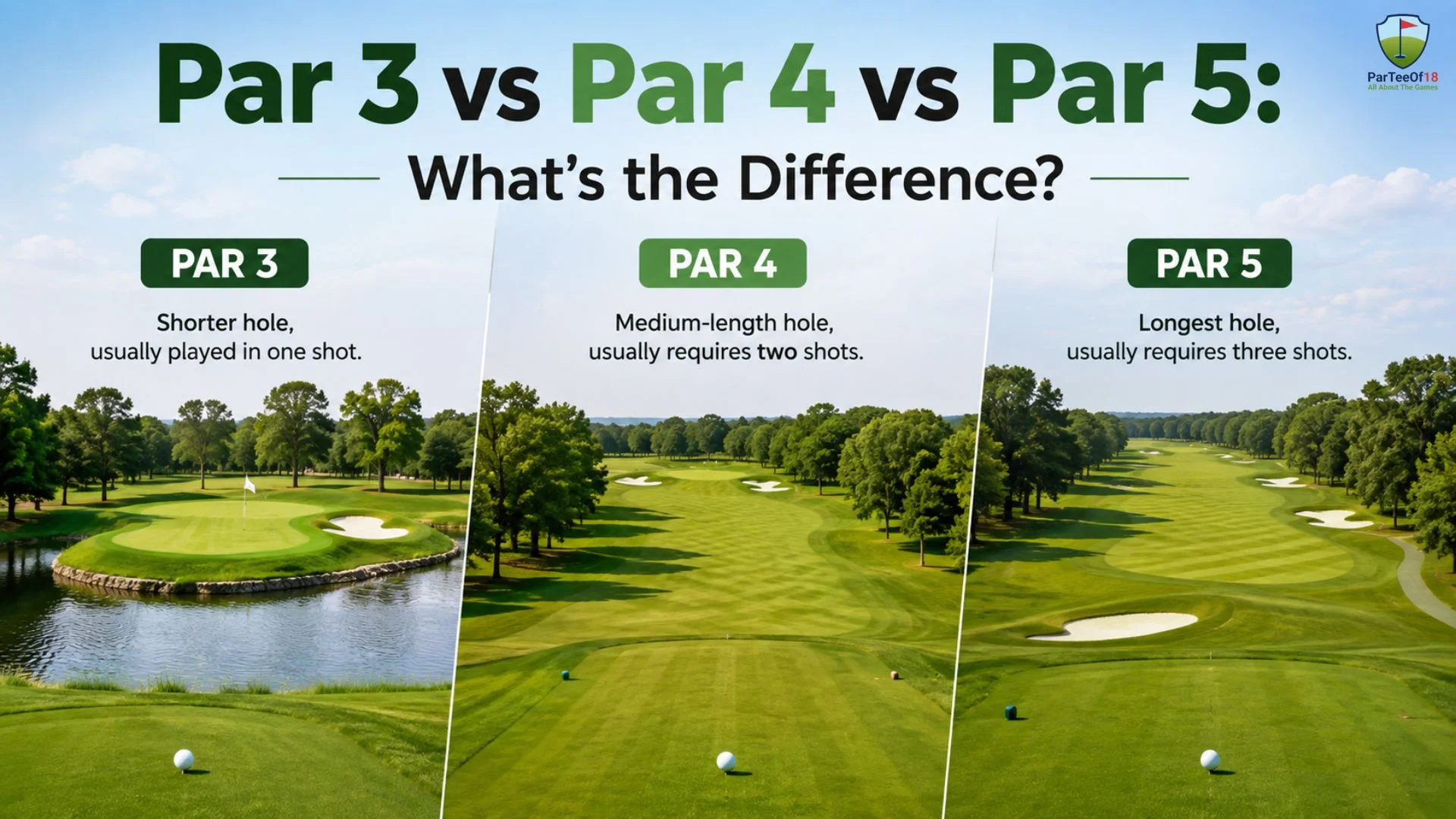
Cutting the gap to 6 or 7 minutes may add a few more tee times to the day. But it creates a crowd on the par 3s and par 5s, and the whole course slows down.
When Wider Gaps Help
Tournaments, outings with high handicaps, and beginner events benefit from 12 minute gaps or more. Newer golfers take longer to find balls and line up putts, and extra space keeps the round comfortable for everyone.
The Domino Effect of One Late Group
Golf is a chain reaction sport. One group falls behind, and the next group catches up. Then the one after that. Before long, a delay of two minutes at the first tee becomes a twenty minute wait on the back nine. This is why late arrivals matter so much. A single delayed start is rarely a one-time problem. It moves down the line like a ripple in a pond.
Slow Starts Compound
I once played a morning round where the first group of the day teed off fifteen minutes late because of a missing cart key. By the turn, every group behind them was stuck in the same slow loop.
Par 3 Pileups
Par 3s are where delays show up first. Groups cannot hit until the green clears, so even a small slip upstream creates a visible line of golfers waiting on the tee box.
Choosing the Right Tee Time for Your Game
Your tee time should match how you play. A fast walker with a light bag has different needs than a foursome who loves long chats and a few cold drinks. Picking a time that fits your style makes the day more enjoyable for you and for the groups around you. It also protects pace of play across the whole course, which is a kindness other golfers will quietly appreciate.
Early Morning Rounds
Early slots are usually the quickest. The course is empty, the greens are fresh, and nobody is ahead of you. If you like a brisk round, this is your window.
Midday Rounds
Midday is the busiest time. Courses are full, and tee sheets run tight. Expect a slower round, and plan for it by bringing patience and a snack.
Twilight Rounds
Twilight tee times offer lower prices and calmer courses. The only catch is daylight. Groups need to keep moving to finish before sunset, which tends to improve pace naturally.
What Golfers Can Do to Respect Their Tee Time?
Courses plan the sheet, but golfers carry out the plan. You do not need to rush or play like you are late for a flight. A few simple habits keep you on schedule and make life easier for everyone behind you. Here are the ones that matter most:
- Arrive at least 30 minutes early to warm up and check in.
- Be ready on the first tee when your name is called.
- Play ready golf when it is safe, instead of waiting on strict order.
- Keep track of your group's position relative to the one ahead.
- Pick up your ball after reaching a maximum score on a hole.
How Courses Can Use Tee Times to Improve Pace?
Good course management begins with the tee sheet. Operators who think carefully about spacing, group sizes, and busy periods can protect both the player experience and the bottom line. Happy golfers return and tell their friends. A well-paced round is simply good business. Small changes in scheduling often deliver bigger gains than any sign or reminder posted on the cart path.
Mix Group Sizes Thoughtfully
A sheet full of foursomes plays slower than a mix of twosomes and threesomes. Smaller groups move faster, so blending them in can smooth out traffic.
Use Starters and Rangers
A friendly starter who reminds players of their tee time and expected pace sets the tone. Rangers on the course can nudge slow groups gently before gaps become holes.
Conclusion
Tee times are easy to overlook, yet they shape almost every part of your round. They decide how much space you have, how long you wait, and how the day feels from the first tee to the final putt. Courses that space groups wisely and golfers who show up ready make pace of play a shared success.
Next time you book a round, think about the time you pick and how you will use it. Arrive early, stay aware of the group ahead, and enjoy a smoother day on the course.
Frequently Asked Questions
1. What is a tee time in golf?
A tee time is a reserved slot that tells you when your group will start its round. It helps courses manage how many groups play at once, which keeps traffic organized and the pace steady.
2. How far apart are tee times usually spaced?
Most courses space tee times about 8 to 10 minutes apart. Busier courses may go as low as 7 minutes, while tournaments and beginner events often use 12 minutes or more for extra breathing room.
3. How long should a round of golf take?
A typical round for a foursome takes around four and a half hours. Twosomes and threesomes often finish faster. The exact time depends on course layout, how busy it is, and the skill level of the players.
4. Does arriving late for a tee time affect pace of play?
Yes, it does. A late start can push back your group and every group behind you. Even a few minutes can build into a long delay by the back nine, so arriving early is always smart.
5. What is the best tee time for a faster round?
Early morning slots are usually the quickest because the course is quiet and there are fewer groups ahead of you. Twilight times can also move well, since groups want to finish before dark.
6. Can tee time spacing really change how enjoyable a round is?
Absolutely. Proper spacing reduces waiting on tees and greens, so you stay in rhythm. Golfers feel more relaxed and focused, and that usually leads to better shots and a much better day overall.