
 Sign up with Google
 Sign in with Zoho
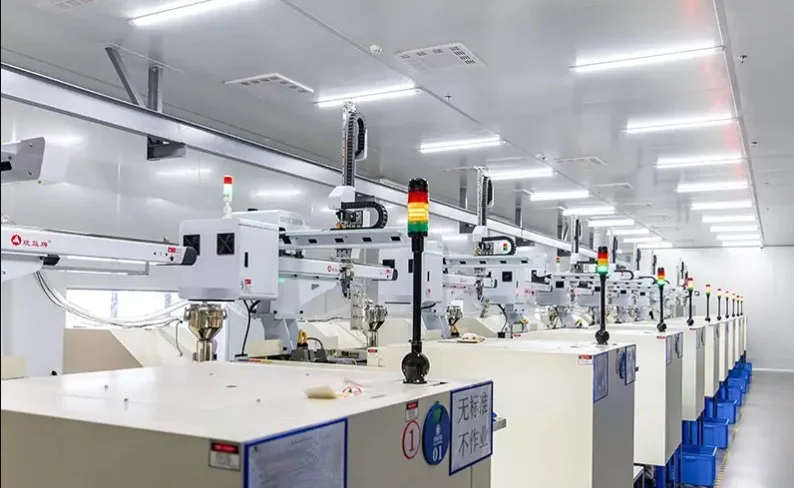
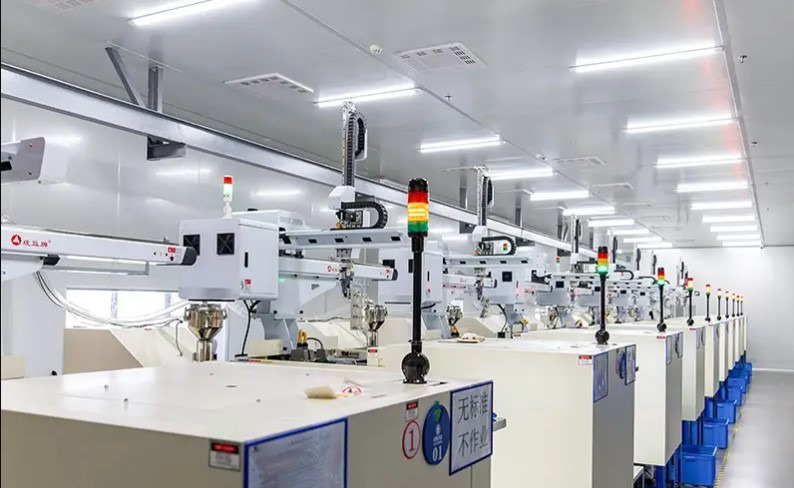
I still remember the first time I held a product that just felt “right” in my hand. It wasn’t flashy, but it had a solid core and a soft outer grip that made it comfortable to use for a long time. At that point, I didn’t think much about how it was made—but later, when I started looking deeper into manufacturing methods, I realized that experience wasn’t accidental.
It came down to how different materials were combined in a single product, something that has become a major direction in modern manufacturing.
Why I Started Paying Attention to Material Blending
At one point, I used to assume product quality was mostly about brand or price. But after seeing enough products fail in similar ways—cracked edges, slippery surfaces, uncomfortable grips—I started noticing a pattern.
The issue wasn’t always design intention. It was material limitation.
That’s when I first came across silicone overmolding. What stood out to me wasn’t just the process itself, but the logic behind it: instead of forcing one material to do everything, you let each material do what it’s best at.
A rigid core provides structure. A silicone layer adds comfort and protection. Together, they solve problems neither could handle alone.
Why Silicone Stood Out to Me in Real Use
I’ve personally noticed that silicone-based surfaces change how a product feels immediately. Even simple tools become easier to handle.
What I find interesting is that this isn’t just about softness—it’s about control. A slightly textured silicone grip reduces small slips that you don’t always notice until they cause a problem.
A few things I consistently notice:
It performs better than expected in heat and humidity
Living in a humid environment, I’ve seen materials degrade faster than they should. Silicone tends to hold up without becoming sticky or brittle.
It reduces “hand fatigue” more than people realize
I didn’t think this mattered until I used similar tools for longer periods. The difference in comfort becomes noticeable over time.
It stays consistent even after rough use
Some materials feel great at first but wear out quickly. Silicone tends to keep its behavior stable.
Where I Keep Seeing This Design Approach in Real Life
Once you become aware of it, you start noticing this technique everywhere—not just in high-end products.
- Phone accessories and remotes: better grip and drop protection
- Medical tools: safer handling and cleaner surfaces
- Car interiors: improved tactile comfort for buttons and controls
- Kitchen tools: heat resistance and easier handling
What surprised me most is how often it appears in “ordinary” products. It’s not a luxury feature anymore—it’s becoming a practical standard.
A Simple Breakdown of How It Actually Works
When I first tried to understand the process, I expected something overly complicated. But at a basic level, it’s actually quite logical.
First, a strong base part is created—usually plastic or metal. That part carries the structure of the product.
Then, liquid silicone is molded over it, forming a bonded outer layer.
What I didn’t realize at first is how sensitive this bonding step is. Small differences in material compatibility or molding conditions can change the final durability more than expected.
That explains why two similar-looking products can feel completely different in real use.
What I Think the Real Benefit Is (Beyond Technical Specs)
On paper, everything sounds like engineering improvements—better grip, better durability, better resistance. But in practice, the benefit is simpler.
Products become less frustrating to use.
I didn’t think about it that way until I compared two similar tools side by side. One required constant adjustment in the hand. The other just worked naturally without needing attention.
That “invisible ease” is what good design actually feels like.
Challenges I’ve Noticed in Real Manufacturing Contexts
Even though this approach is effective, it’s not something that works automatically.
From what I’ve learned and observed:
- Some material combinations just don’t bond well
- Small design errors become expensive during production
- Scaling from prototype to mass production often reveals hidden issues
What’s interesting is that most of the difficulty isn’t in the idea—it’s in consistency. Getting one perfect product is easier than producing thousands of identical ones.
A Few Practical Thoughts for Better Design Decisions
If I had to summarize what actually matters when thinking about this kind of manufacturing approach, it would be:
- Don’t ignore how the product will feel after long use
- Treat material choice as a functional decision, not just a cost decision
- Test early versions in real conditions, not just lab conditions
- Pay attention to small usability details—they matter more than expected
These are the kinds of things that only become obvious after seeing products fail in real-world use.
Where This Is Heading in the Future
What I find most interesting is that this isn’t a finished trend—it’s still evolving.
We’re already seeing:
- More focus on sustainable materials
- Smarter automated production systems
- Smaller devices requiring more efficient material use
- Products combining physical durability with smart electronics
It feels like we’re moving toward a stage where material design is just as important as digital design.
Final Thoughts
The more I look into product engineering, the more I realize that good design is often quiet. It doesn’t draw attention to itself—it just works smoothly in the background.
Material combination methods like silicone overmolding are a good example of that. They don’t change what a product does, but they completely change how it feels to use.
And in my experience, that difference is what people actually remember.
Not the specification sheet—but whether the product made their life easier without them even noticing.













 (1).webp)