Sign up with Google
 Sign in with Zoho

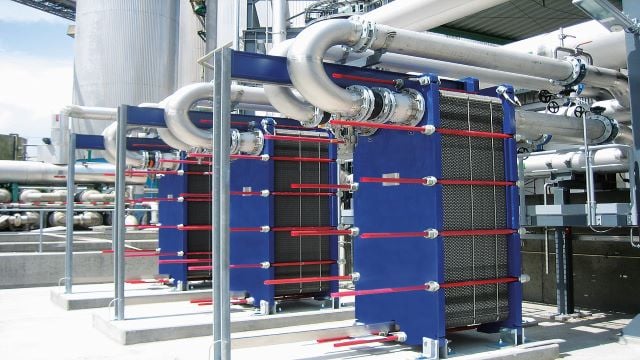
Where Plate Fin Units Enter the Conversation
If you’re looking at compact, high-efficiency thermal performance, a plate fin heat exchanger usually comes up pretty quickly. And for good reason. In the right service, these units can outperform bulkier designs without taking up half your footprint. That matters more than people admit—especially in tight process layouts.
What You’re Really Getting With This Design
Instead of tubes, you’ve got stacked plates with fin structures creating multiple flow passages. That increases surface area dramatically. More surface area means better heat transfer. But it also means tighter channels, and that’s where the tradeoff starts creeping in.
Efficiency Comes With Conditions Attached
Look, on paper, plate fin units look hard to beat. High effectiveness. Compact size. Multi-stream capability. But here’s the thing—those numbers assume clean, stable conditions. You get fouling in there, even a little, and performance doesn’t just drop, it slides faster than most people expect.
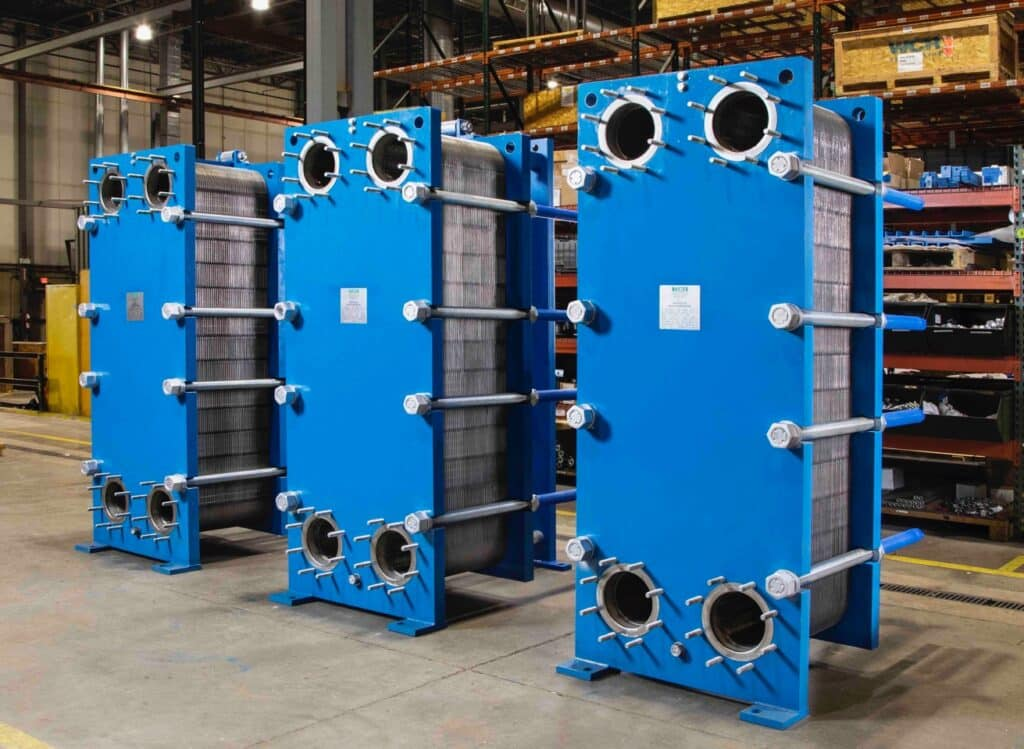
Where They Actually Perform Well
Gas processing is a good example. LNG systems, cryogenic services, applications where fluids are filtered and controlled. That’s where plate fin exchangers make sense. You get the efficiency without constantly fighting buildup or blockage.
Why Houston Applications Complicate the Picture
Houston heat exchangers don’t live easy lives. Feedstocks shift. Contaminants show up when they shouldn’t. And ambient conditions don’t do you any favors. So when someone pushes a plate fin unit into a service that isn’t consistently clean, you’ve got to stop and ask—how long before this becomes a maintenance problem?
That’s the Question Most People Skip
And it catches up later.
Real Performance Isn’t What the Datasheet Says
You can run all the calculations you want. Heat duty, flow rates, pressure drop—it all checks out. Then six months in, performance starts drifting. Fouling builds in those narrow passages, and now you’re dealing with a unit that can’t hit target temperatures without pushing harder elsewhere in the system.
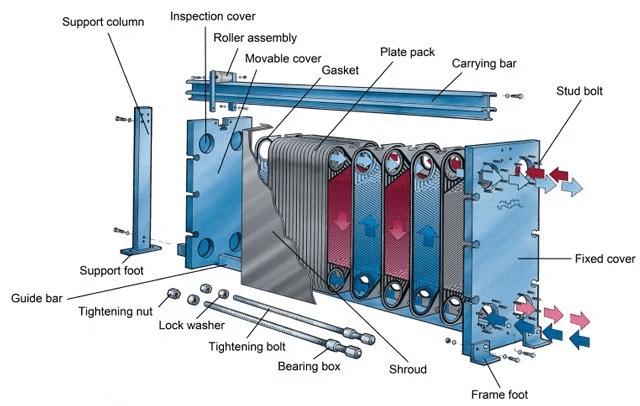
Maintenance Isn’t Always Straightforward
Unlike plate and frame heat exchangers, you don’t just open these up and clean them easily. Access is limited. Cleaning can mean pulling the unit entirely. And downtime adds up fast when you’re dealing with that kind of intervention (and no, that’s not something you want to plan for after installation).
When Standard Options Don’t Cut It
There are situations where you still need that compact performance, but the application isn’t perfectly clean. That’s where a custom heat exchanger comes into play. You adjust materials, flow paths, sometimes even move to a different exchanger type entirely. Because forcing a plate fin unit into the wrong job rarely ends well.
Why Inventory Still Matters More Than Specs
Here’s something most distributors won’t say out loud—availability can matter more than theoretical performance when a plant is down. Kinetic Engineering Corporation built its reputation as a stocking heat exchanger distributor Houston facilities rely on, not just a middleman waiting on factory lead times. Since 1969, they’ve kept inventory across shell and tube heat exchangers, air cooled heat exchangers, and more sitting in Houston, ready to move when things go sideways.
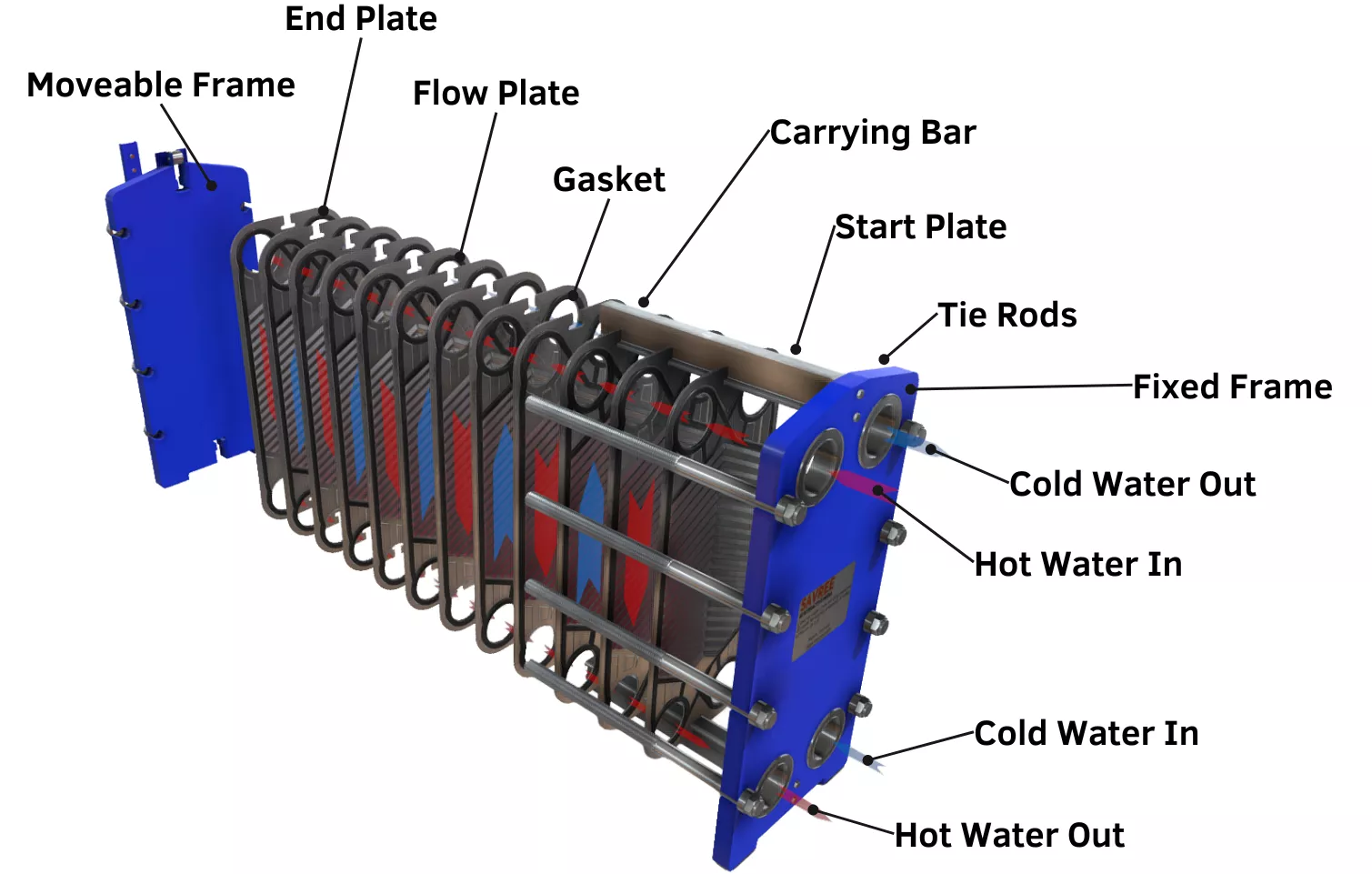
Experience Changes the Recommendation
Kinetic’s been working the Gulf Coast industrial corridor long enough to know where plate fin exchangers work—and where they don’t. They’ve seen units perform exactly as designed. They’ve also seen them struggle in conditions that looked fine on paper. That kind of pattern recognition saves time and avoids expensive missteps.
Making the Call Without Guesswork
If you’re evaluating industrial heat transfer Houston applications, the goal isn’t to chase efficiency numbers—it’s to match equipment to reality. Plate fin exchangers can be the right answer. But only when the service supports it. Kinetic Engineering Corporation brings the inventory, the product range—from shell and tube to fired process heaters Houston plants depend on—and the kind of experience that keeps you from learning the hard way. If you need equipment that actually holds up, they’re where you start.
FAQ
Are plate fin heat exchangers suitable for dirty services? Not really. Even small amounts of fouling can impact performance quickly due to tight flow passages.
How do they compare to shell and tube exchangers? Plate fin units are more compact and efficient, but shell and tube designs handle dirtier, harsher conditions better.
Can plate fin exchangers be cleaned easily? No. Cleaning is more complex and often requires removing the unit from service.
When should I consider a different exchanger type? If your process involves variable conditions or contamination, a more forgiving design is usually the better choice.