 Sign up with Google
 Sign in with Zoho
.webp)
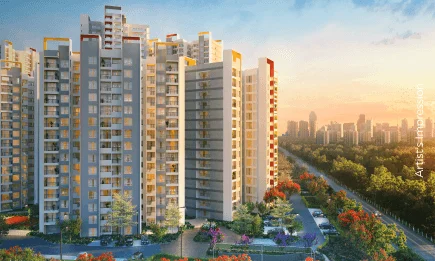
A living room in an Indian home is more than just a place to look good. It is where morning tea turns into a long conversation, relatives gather for festivals, children scatter their books on the sofa, and many evenings end with everyone sharing the same space. Comfort and a welcoming atmosphere matter as much as visual appeal.
For homes inspired by a forest-garden setting such as Vanaha Verdant, the living room can take a more natural direction. Instead of filling the space with heavy furniture and too many decorative pieces, the idea is to create a room that feels open, warm and connected to its surroundings.Here are a few modern Indian living room ideas that can work particularly well for such a home.
Bring Nature Indoors
A home surrounded by greenery does not need an overly decorated living room. Let the natural setting do some of the visual work.Choose materials such as wood, cane, rattan, cotton and linen. A wooden coffee table, cane accent chair or woven rug can add warmth without making the room feel crowded. Indoor plants can also bring a little more life into the space.At Vanaha Verdant, forest gardens, open spaces and glimpses of the Sahyadris become part of daily living. Keeping interiors visually calm allows the natural beauty outside to shine through. Large windows and deck-facing spaces can feel like extensions of the living room, free from heavy curtains that block the view.
Use Indian Colours in a Modern Way
Indian homes have never been afraid of colour, but modern interiors do not need every shade in the palette.Start with warm neutrals such as beige, ivory, sand or muted brown. Then introduce one or two stronger Indian-inspired shades through cushions, rugs, artwork or an occasional chair.Terracotta, olive green, indigo, mustard and deep rust can work particularly well with a nature-led home. A muted green cushion against a cream sofa, for example, can bring in colour without making the room feel busy.The trick is to let the colours support the room rather than compete with its natural surroundings.
Make the Sofa the Social Spot
Indian living rooms often need more seating than a typical two-person lounge. A family may use the same space for everyday conversations, weekend guests and festive gatherings.Instead of pushing several bulky sofas into the room, consider one comfortable main sofa paired with two lighter chairs or compact stools. This gives people different places to sit while leaving enough room to move around.A low wooden coffee table can also make the space feel relaxed. For families that regularly entertain, nesting tables or small side tables can be useful because you can move them around when guests arrive.
Let the Deck Become Part of the Living Room
Private deck residences create an interesting opportunity for interior planning. The outdoor area doesn't have to feel completely separate from the living room.Keep the visual connection open with light curtains and similar materials on both sides. A couple of weather-friendly chairs on the deck, a small plant arrangement and warm lighting can turn it into an extension of the indoor seating area.This approach can work especially well for a forest-garden home. Instead of adding more objects inside, the view itself becomes part of the décor.Add Traditional Details Without Making the Room Old-FashionedModern Indian interiors do not have to choose between contemporary furniture and traditional décor.A handwoven rug, brass lamp, carved wooden bowl, block-print cushions or a piece of Indian artwork can add character. Even one carefully chosen traditional element can give a neutral living room a stronger sense of identity.For example, a simple contemporary sofa paired with a handcrafted wooden console and brass décor can feel distinctly Indian without looking like a traditional drawing room.
Think About Vastu While Planning the Room
For many Indian homeowners, design also involves practical beliefs about how different parts of a home should be arranged. Vastu in house design can therefore be considered alongside furniture placement, natural light and ventilation.The living room can be planned with attention to its direction, entry point, seating arrangement and placement of heavier furniture. These considerations should work with the actual floor plan rather than being applied as a fixed formula.Natural light is another useful consideration. Keeping windows clear, using lighter curtains and avoiding unnecessarily tall furniture near openings can help maintain a brighter living space.
Keep Storage Out of Sight
A beautiful living room can quickly become cluttered when everyday items have nowhere to go.Instead of adding multiple storage cabinets, choose furniture that serves two functions. A console can provide concealed storage, while a coffee table with drawers can hold smaller items. Closed cabinets work well for electronics, books, toys, and household essentials that don't need to stay visible.This matters even more in a nature-inspired home because clutter can take away from the sense of openness that makes the setting appealing.
Design for Real Indian Life
The best living room is rarely the one that looks perfect only in photographs. It is the one that works when the family is actually using it.Leave enough space for movement. Choose fabrics that are practical to maintain. Keep fragile décor away from busy walkways. Give children a comfortable corner to sit and read. Make sure guests have enough seating without turning the room into a furniture showroom.At Vanaha Verdant by Shapoorji Pallonji Real Estate, the forest-garden setting inspires interiors that are both modern and rooted in Indian traditions. With locally inspired materials, natural colours, and artisanal craft, a living room can reflect its residents' lifestyle while keeping a fresh, personal touch.
A Home That Feels Like Your Own
No single formula fits every modern Indian living room. Some families may prefer clean Scandinavian-inspired furniture, while others may want richer colours and handcrafted pieces. What matters is balancing personal taste with the home's character.For buyers comparing homes from a best real estate company, the interiors should also be considered alongside how the residence connects with its surroundings. In a setting such as Vanaha Verdant, that connection can become part of the design itself.A comfortable sofa, a few meaningful objects, natural materials and an unobstructed view of greenery may be enough. Sometimes, a living room feels most complete when it leaves a little space for life to happen.