Sign up with Google
 Sign in with Zoho
.webp)

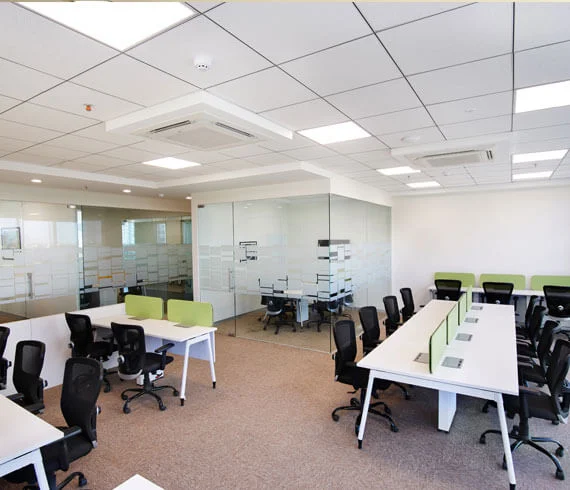
Corporate security rarely fails because of a lack of cameras. It fails because of poor planning. Offices today are more complex than ever, with shared workspaces, hybrid teams, sensitive data, and constant movement across floors and departments. In this environment, surveillance cannot be treated as a checklist item. It needs intent. Clear Corporate Surveillance Requirements and well-defined Surveillance Projects ensure that security systems actually support business operations instead of becoming passive observers that are only reviewed after something goes wrong.
Security is about strategic planning
Many companies still approach surveillance reactively. An incident happens, then cameras are added. A planned system works the other way around. It studies movement patterns, access points, lighting conditions, and blind spots before anything is installed.
This allows security teams to place cameras where they add real value. Entrances, server rooms, parking areas, reception desks, and production floors all need different coverage. A strategic approach makes sure every camera has a purpose.
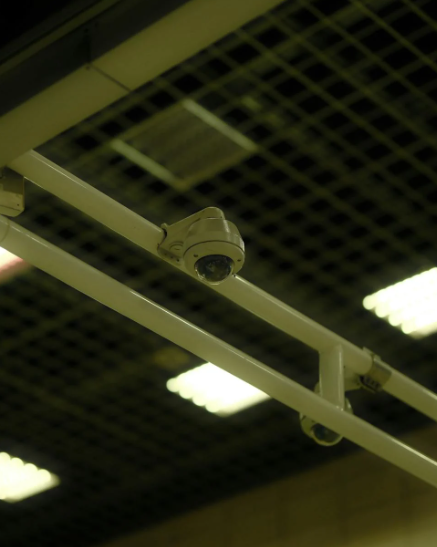
Image quality matters more than people realise
A camera that records poor detail is not a security tool. It is just a recorder. For corporate use, the video must be clear enough to identify faces, track movement, and hold up as evidence if needed.
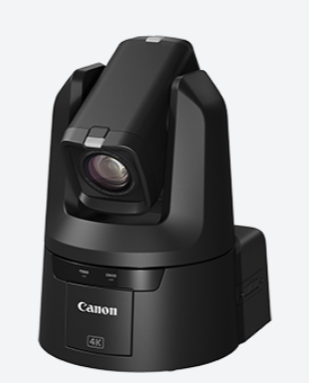
This is where systems like the CR-N500 Remote Camera fit into serious planning. It uses a large 1.0-type CMOS sensor and 4K resolution to deliver clean, sharp footage. That matters in offices where lighting is uneven or where distance makes faces harder to read.
Flexibility is part of modern surveillance
Corporate spaces are not static. Teams move. Layouts change. Departments expand. Surveillance needs to adapt without forcing a full rebuild every time.
The CR-N500 was designed for controlled environments and indoor use, which makes it suitable for corporate buildings, studios, and operations centres. Its PTZ design allows one device to cover wide areas and zoom in on details when needed. That reduces the number of cameras required and simplifies system design.
Remote control and smart operation
Modern surveillance is not about having someone watch screens all day. It is about systems that respond fast and integrate into workflows.
The CR-N500 supports wireless operation and remote control, which means security teams can adjust angles, zoom levels, and coverage zones without touching the camera physically. It also includes visual indicators like a tally lamp to show operational status at a hardware level, which helps in coordinated environments like control rooms.
Why planning reduces long-term risk
Good surveillance planning saves money, time, and legal exposure. It avoids over-installation in low-risk zones and under-coverage in critical areas. It also ensures systems are compliant with privacy and workplace guidelines.
Strategic planning makes sure footage is usable, storage is managed, and response protocols are clear. Without this, cameras become passive observers instead of active tools in risk prevention.
The bigger picture
Corporate security is about continuity. It protects people, data, and operations so businesses can run without disruption.
The CR-N500 fits into this thinking not as a flashy device, but as a practical component in well-designed surveillance projects. When paired with clear corporate surveillance requirements, it supports systems that are efficient, adaptable, and reliable.
Surveillance works best when it is invisible, intelligent, and intentional. Strategic planning makes that possible.












.webp)